






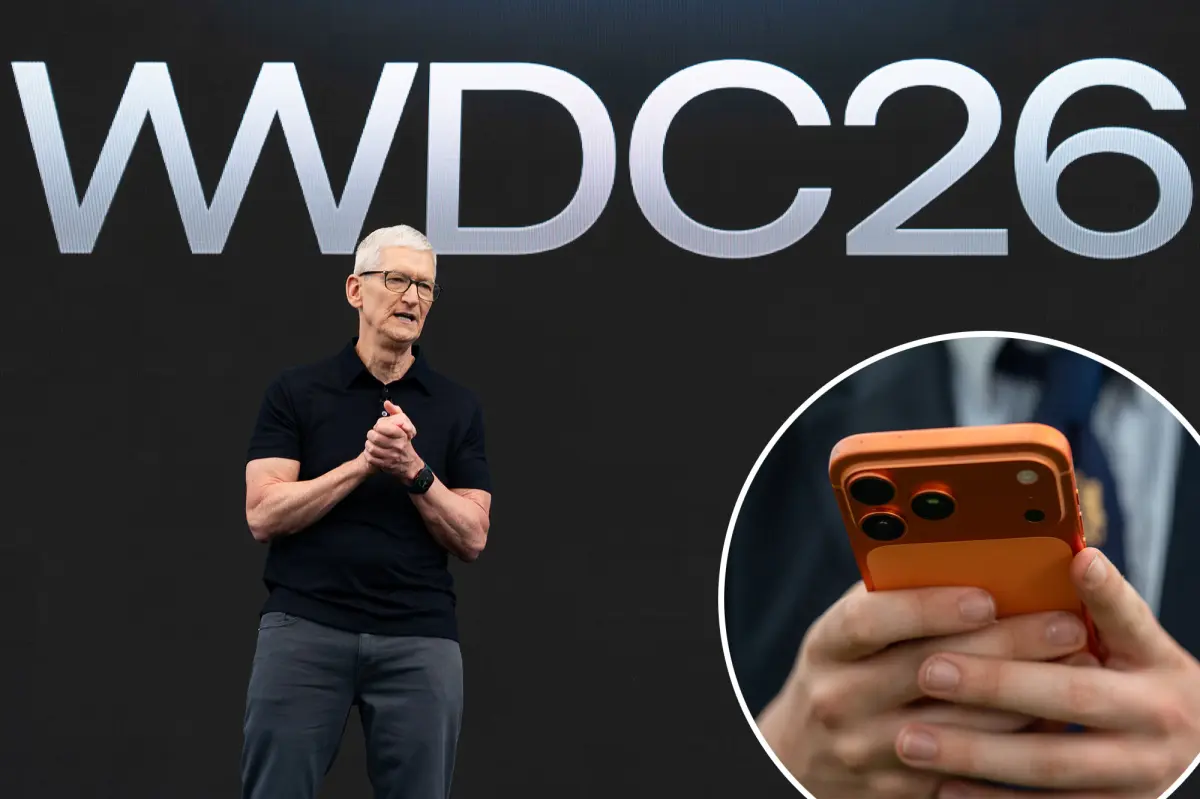
For years, users have looked at Apple’s virtual assistant, Siri, with a mixture of affection and mild irritation, watching other tech giants sprint ahead in the generative artificial intelligence race while Siri remained stuck in a cycle of misunderstanding simple requests and retrieving web links instead of answers. That narrative took a dramatic, turn-the-page shift at Apple’s annual Worldwide Developers Conference (WWDC), where the Cupertino giant unveiled iOS 27. It was the moment Siri finally grabbed the spotlight as a main character, shaking off years of playing catch-up to become the centerpiece of Apple’s bold new future. Rather than relying solely on home-grown models, Apple made the strategic and highly anticipated move to power this revamped assistant with Google’s Gemini technology, injecting a massive cerebral boost into the iOS ecosystem. The goal of this upgrade is to transition Siri from a robotic, rigid voice-command tool to an incredibly fluid, conversational partner that feels genuinely human. Siri will no longer just wait for your command; it will possess deep, contextual screen awareness, allowing it to understand exactly what you are looking at in any given moment and assist you accordingly. Whether you need to locate a specific piece of information on a chaotic webpage, set a highly specific reminder based on an ongoing conversation, or recall past personal context to complete a task, this new iteration of Siri is designed to act as an intuitive, digital chief of staff. For physical convenience, Apple is also introducing a dedicated Siri application featuring a sleek, chatbot-style interface alongside the classic lock-button shortcut, giving users the freedom to type out their thoughts and queries. It is a massive leap forward that seeks to redefine our relationship with our smartphones, though the true test of this ambition will only come when everyday users get to stress-test it in their daily routines later this year.
But this grand unveiling was about far more than just giving Siri a long-awaited brain transplant; it marked the quiet, ubiquitous integration of Apple Intelligence into the very fabric of daily life. Apple is making sure that AI isn’t just a flashy gimmick tucked away in a single app, but a subtle, helpful wind at your back throughout the entire iOS 27 experience. Imagine typing out text messages and receiving instant, contextually perfect suggested replies that mimic natural human warmth, allowing you to stay connected even when you are desperately short on time or mental bandwidth. Inside the Notes and Reminders apps, the system now works with natural language processing so advanced that you can write down unorganized thoughts in a messy, stream-of-consciousness style, and watch as your iPhone automatically transforms them into highly structured task lists and actionable calendars. Perhaps the absolute crown jewel of these daily workflow improvements is the complete reinventing of the Shortcuts app. Historically, building automated workflows on iOS has been a daunting task reserved for the tech-savvy crowd who enjoyed piecing together complex digital logic. With iOS 27, Apple has democratized automation by allowing users to simply describe what they want to happen in basic, everyday language—such as telling your phone to dim the lights, text your family that you are leaving work, and open your favorite podcast whenever your car connects to Bluetooth—and watching the system build the entire custom shortcut for you behind the scenes. This level of accessibility turns the iPhone into a truly personalized operating system that adapts to your life, rather than forcing you to learn how to adapt to its programming.
The creative features of iOS 27 also promise to bring a touch of Hollywood-style magic directly to the palm of your hand, turning even the most casual smartphone photographer into an expert editor. Apple is leaning heavily into generative visual intelligence, completely redesigning how we interact with our digital memories. We have all experienced the frustration of capturing a visually perfect, emotionally resonant photograph, only to find that an unwanted tourist, a misplaced trash can, or a stray photobomber has ruined the background. The new Photos cleanup tools solve this problem with incredible precision, letting you easily swipe away unwanted elements from your images, with the AI instantly generating a flawless, realistic replacement texture to fill the void. To push the boundaries of photo editing even further, iOS 27 introduces “Spatial Reframe,” a tool that goes far beyond simple cropping. By leveraging deep neural networks, Spatial Reframe can completely generate a newly composed angle or a slightly shifted perspective of a photo that you already took, giving you a second chance at capturing the perfect shot long after the moment has passed. Alongside this is “Extend,” a spectacular feature that uses generative AI to analyze the borders of your image and seamlessly paint in the surrounding landscape, generating a wider, more expansive scene than your actual physical camera lens captured. For those looking to create entirely new visuals from scratch, Apple’s upgraded Image Playground allows for the generation of incredibly detailed, photorealistic images. While the depth of your image creation capabilities will partially depend on your iCloud storage subscription level, it represents a massive paradigm shift in how we create, edit, and play with visual media in our daily digital interactions.
Beyond the high-concept world of artificial intelligence, Apple devoted significant attention to the physical beauty and practical utility of iOS 27, introducing customization options that give users a deep sense of ownership over their device’s aesthetics. Under the new digital design philosophy of “Liquid Glass,” users are no longer confined to a single, static appearance for their applications and system menus. A new, highly responsive slider tool allows you to adjust the transparency of the entire user interface, transitioning smoothly from an ultra-clear, minimalist, crystal-like aesthetic to a rich, heavily tinted glass finish that reacts dynamically to your wallpaper and lighting conditions. This focus on sensory detail is complemented by several key quality-of-life additions designed to improve user wellness and daily convenience. The Apple Health app is taking a massive, empathetic step forward with the introduction of comprehensive menopause and perimenopause cycle tracking, providing women with robust, data-backed insights, symptom logging, and trends during a critical life transition that has historically been ignored by major health trackers. For audiophiles and casual music listeners alike, AirPods are receiving a massive upgrade with fully customizable equalizer controls accessible directly through iOS settings, allowing you to shape your sound profile to match your personal hearing preferences. Meanwhile, the visually stunning Flyover mode in Apple Maps is receiving a gorgeous aesthetic overhaul, transforming virtual city exploration into a breathtaking, incredibly lifelike experience that makes mapping out your next travel destination feel like a cinematic adventure.
In an era where technology updates often feel like a forced march toward expensive new hardware upgrades, Apple delivered a refreshing and incredibly inclusive surprise regarding device compatibility. Despite widespread rumors and anxiety that the beloved, aging iPhone 11 lineup from 2019 would finally be left behind on the cutting-room floor, Apple officially confirmed that every phone from the iPhone 11 onward will support iOS 27. This decision offers a massive financial sigh of relief to millions of budget-conscious users worldwide, extending the lifespan of their dependable devices and keeping them connected to the modern Apple ecosystem without requiring a hefty credit card charge. Alongside this commitment to keeping older devices active, Apple has taken significant steps to protect the youngest members of its user base. Recognizing the growing concerns of parents navigating an increasingly complex digital landscape, WWDC featured a major upgrade to parental controls. The expanded Screen Time suite provides parents with much more nuanced, highly customizable tools to manage healthy device boundaries, paired with streamlined app permission requests that make approving or denying screen time requests simple and painless. Furthermore, advanced safety and privacy settings for children have been reinforced across the operating system, ensuring that as Apple’s devices become infinitely smarter and more connected, they also become significantly safer and more secure environments for kids to explore, learn, and grow.
Of course, this massive leap into the future does not come without a few notable struggles and structural hurdles. While the sheer scale of the iOS 27 upgrade is undeniable, users in Europe and China will initially find themselves locked out of the new Siri AI features. Apple is currently navigating complex, stringent regulatory landscapes in these regions—including Europe’s Digital Markets Act and China’s strict AI regulations—meaning that these highly anticipated features will be temporarily sidelined while lawyers and compliance teams work behind the scenes to find a path forward. For the rest of the world, developer beta versions of iOS 27 are launching immediately, giving early adopters an opportunity to test-drive these futuristic systems and iron out any inevitable bugs before the official, stable release this fall. When the final software update officially rolls out alongside Apple’s next-generation hardware, it will mark the most aggressive, transformative, and philosophically significant pivot in the tech giant’s modern history. By weaving highly sophisticated, emotionally intelligent AI into our most personal devices, Apple is attempting to prove that the long, patient wait for a smarter Siri was not just worthwhile, but that it will completely change the way we live, work, and connect with the world around us.