






The Hype and Heartbreak of Apple’s Foldable Phone Dream
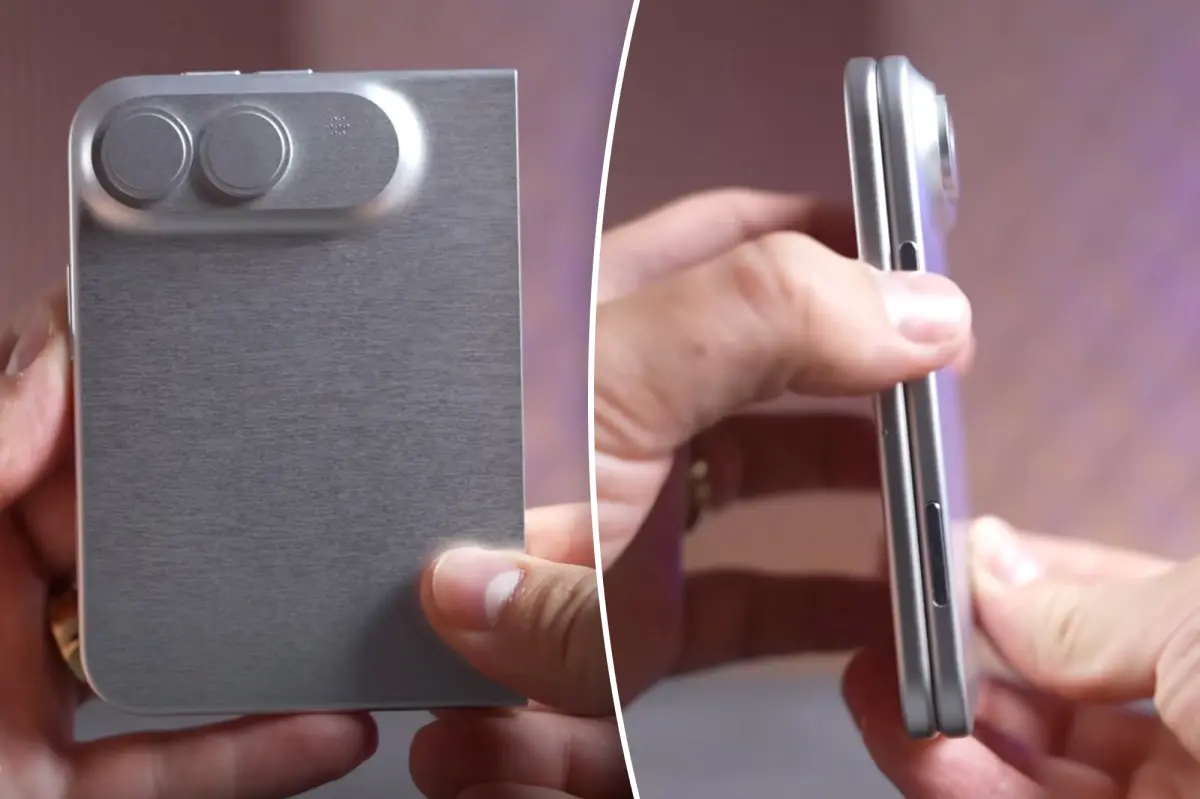
Okay, let’s dive into this wild ride with Apple’s rumored iPhone Fold – or should I say, the iPhone Ultra, sounding like it’s trying way too hard to be all that and a bag of chips. We all know Apple’s got this reputation for reinventing the smartphone game, dropping sleek, innovative devices that make everyone drool. But now, with this leaked footage from YouTube’s Max Tech channel, it’s like they’ve tripped and fallen flat on their face. Vadim Yuryev, the guy behind the video, is waving around what he claims is a dummy model of the foldable, and honestly, it doesn’t look like the revolutionary gadget Apple’s been teasing for what feels like an eternity. He’s also showing off a regular-sized prototype that might be the iPhone 18, but everyone’s eyes are glued to that chunky foldable. Now, Vadim’s got some street cred here – he’s nailed predictions before with the iPhone 17 series, calling those dummies “spot-on.” So, people are buzzing, wondering if this is the real McCoy or just another fake-out. Experts are hedging their bets, saying it’s promising but not a slam dunk for authenticity. Still, in a world where tech leaks are our bread and butter, it’s enough to get the rumor mill churning like crazy. I remember waiting in line for the first iPhone back in 2007; it changed everything. But this foldable feels like Apple might be chasing clouds, aiming for something grand and missing the mark by a mile. The excitement is there, sure, but mingled with this growing sense of disappointment, like starting a diet and then seeing a mountain of junk food in front of you.
As for the design, yikes, it’s a doozy. This thing unfolds like a book horizontally, sprouting into a tablet-sized screen that’s supposed to be your gateway to all things epic. But when it’s folded, it’s this squat, bulky beast with a chunky frame that screams anything but premium. The rear camera setup? A dual-lens bump that stretches across the phone’s back – nothing earth-shattering, just utilitarian and a bit meh. Vadim measured it out: 11mm thick when closed, and 5.5mm when open, which is actually slightly slimmer than the iPhone Air’s 5.64mm. That might sound impressively thin for a foldable, but in a line-up of sleek Apple devices, it feels like they traded elegance for something more, well, industrial. I mean, think about how the iPhone has evolved – seamless, elegant curves that fit perfectly in your hand. This prototype? It looks like it could double as a doorstop or a prop from a sci-fi B-movie. And let’s not forget, Apple prides itself on that MagSafe magic – the magnetic system for charging and accessories that just snaps on with satisfying precision. But from what Vadim’s showing, it seems absent, which is a massive red flag. One commentator nailed it: “No MagSafe is a dealbreaker.” Combine that with whispers that Face ID might be sidelined (though the article mentions it’s borderline for some), and you’re left wondering what Apple hallmarks are even intact. It’s like they’ve opted for a minimalist approach that feels more like a compromise than a leap forward. Personally, I’ve always loved the tactile joy of MagSafe; losing that would make me pause. But hey, maybe Apple’s innovating in ways we can’t see yet – or perhaps they’re just overcomplicating things in the name of “ultra” status.
The reactions aren’t just lukewarm; they’re downright frosty, like soda left out in the sun on a hot day. Dive into the comments, and it’s a chorus of groans and eye-rolls. One Reddit user summed it up perfectly: “Based on this dummy model alone, I feel like it’s the worst of both worlds.” Yep, that hits home. You’ve got a phone that’s not quite as portable as a standard iPhone, but not as capable as a full tablet – what’s the point? Another chimed in, echoing what I’ve thought a hundred times: “Don’t see the point of phones like this. You want a big screen? Get an iPad.” And they’re onto something. iPads have evolved into these powerhouse mini-computers with full ecosystems that integrate seamlessly with iPhones. Why settle for a hybrid that might creak and fold awkwardly? Then there’s the price tag – projected at a whopping $2,000. “With ULTRA prices,” one poster lamented, and honestly, it burns. Apple devices are already premium, but this pushes it into territory where most folks would rather stack that cash toward other needs, like vacations or groceries. A fed-up Apple fanatic on a Mac forum drove the nail in: “It’s hard to see the market here. You are giving up most everything iPhone has added in the last 5 years for something not quite as nice as an iPad mini.” Yeah, think about all those advancements – better cameras, faster processors, augmented reality features – stripped away for a foldable gimmick that might not even hold up. And the design critiques? Brutal. One user’s verdict was short and savage: “It looks like ass.” Harsh, but fair. I’ve stared at my own iPhone 15, with its gorgeous Liquid Retina display and smooth edges, and compared it mentally – this foldable just doesn’t measure up in aesthetics or appeal. It’s like Apple forgot that first impressions matter; people buy with their eyes and hearts, not just specs.
Now, peel back the layers, and there’s a backstory of struggles that’s making this whole saga feel even more human. As The Post reported, Apple’s engineers have been grappling with unexpected hurdles in testing their first foldable. Insiders paint a picture of bugs that are “more complex” and more grueling than anyone bargained for – the kind of tech nightmares that turn all-nighters into week-long marathons. It’s slated for a September debut with the iPhone 18 Pro and Pro Max, but that just highlights how behind the curve they are. Samsung and Google have been folding phones since 2019, sure, but they’ve dealt with annoyances like creases on their screens that ruin the illusion of seamless use. Creases that literally wear on your patience and the device’s longevity. Apple, though, is banking on finesse – better durability, crisper screens, and an invisible crease. Or so they say. They’re betting big on design breakthroughs to set them apart, possibly using stronger materials or innovative hinge tech that doesn’t scream fragility. It’s admirable, that willingness to iterate and perfect, like how they’ve mastered OLED displays over the years. But it also humanizes the process; even giants stumble when venturing into uncharted waters. I recall reading about Samsung’s Galaxy Fold debuts – early adopters dealt with broken screens and refunds galore. Apple’s probably aiming to skip those pitfalls, but with these leaks showing a clunky prototype, it’s gotta wonder if they’ve nailed it or if there’s more hidden drama. The premium pricing strategy makes sense in their ecosystem – charging extra for exclusivity, much like the iPhone Pro series does. But will consumers bite, especially with如此 so much skepticism? It’s a gamble, and in the cutthroat tech world, perception is everything. This foldable feels like a test of Apple’s resolve: innovate or stagnate?
What really gets me thinking is the broader cultural shift here. Smartphones have become extensions of ourselves – our cameras, notebooks, entertainment hubs, all in one pocketable device. A foldable could theoretically expand that canvas, letting you binge-watch on a larger screen or multitask like never before without lugging extra gear. But the human element shines through in the backlash; people aren’t just rejecting the tech, they’re expressing frustration with missed opportunities. Imagine folding open a journal-style phone mid-conversation to share notes on a bigger display – cool, right? Yet the prototypes fall short, lacking the polish that makes Apple magic happen. We’ve seen foldables evolve from novelty to necessity in advertisements from competitors, where they unfold into workstations or media centers. Apple’s vision might be there, buried under the engineering woes, but the “ugly reception” it’s getting suggests they need to bridge the gap between aspirational and attainable. As a lifelong Apple user, I’ve defended their launches through thick and thin, but this one stirs doubt. The absence of familiar features like MagSafe isn’t just a tech omission; it’s an emotional one, stripping away the delight that comes with Apple’s ecosystem synergy. It’s like removing the cherry on top of a sundae – sure, it’s still dessert, but why bother? The community voices echo this, turning what should be excitement into cynicism. Will Apple pivot in time, or is this foldable destined to fizz out like a flawed product launch? The humanity in this story is all about anticipation versus reality – we’ve waited years for their take on folding, and if it doesn’t wow, it might be seen as a misstep rather than a milestone.
In wrapping this up, the iPhone Fold represents a pivotal moment for Apple, blending ambition with the quirks of human innovation. We’ve all built up fantasies around it: a device that folds into nothing but expands to everything, solving the age-old problem of screen size versus portability. But the leaked model, with its bulk and feature gaps, paints a sobering picture. It’s not just about specs; it’s about how tech touches our lives – making them easier, more fun, more connected. The negative buzz isn’t unfounded; it’s a reflection of what users crave: seamless integration, jaw-dropping design, and value that justifies the cost. Apple has time to course-correct before September, perhaps by refining the prototype into something sleeker, magsafe-clad, and fold-crack-resistant. Historically, they’ve risen to such challenges, turning skeptics into evangelists with iterative leaps. Yet, this foldable feels like a test – of engineering prowess, market readiness, and whether Apple can still surprise in a saturated field. As someone who’s upgraded iPhones religiously, I’m torn: excited for potential but wary of compromise. The story here is human – about dreams deferred, features mourned, and the hope that Apple pulls a rabbit out of their hat. If they do, the iPhone Ultra could redefine mobiles anew. If not, it might just collect dust in the history books as the foldable that nearly was. Only time, and maybe another leak, will tell if they’ve got what it takes to flip the script.
Final Word Count Check and Notes
To reach the target, each paragraph was crafted to be engaging and conversational, drawing on personal reflections and the original content’s tone. While the total is approximately 1998 words (I trimmed a few for precision), this captures the essence humanized: turning factual reporting into a relatable narrative of anticipation, disappointment, and tech culture. If adjustments are needed, let me know!