





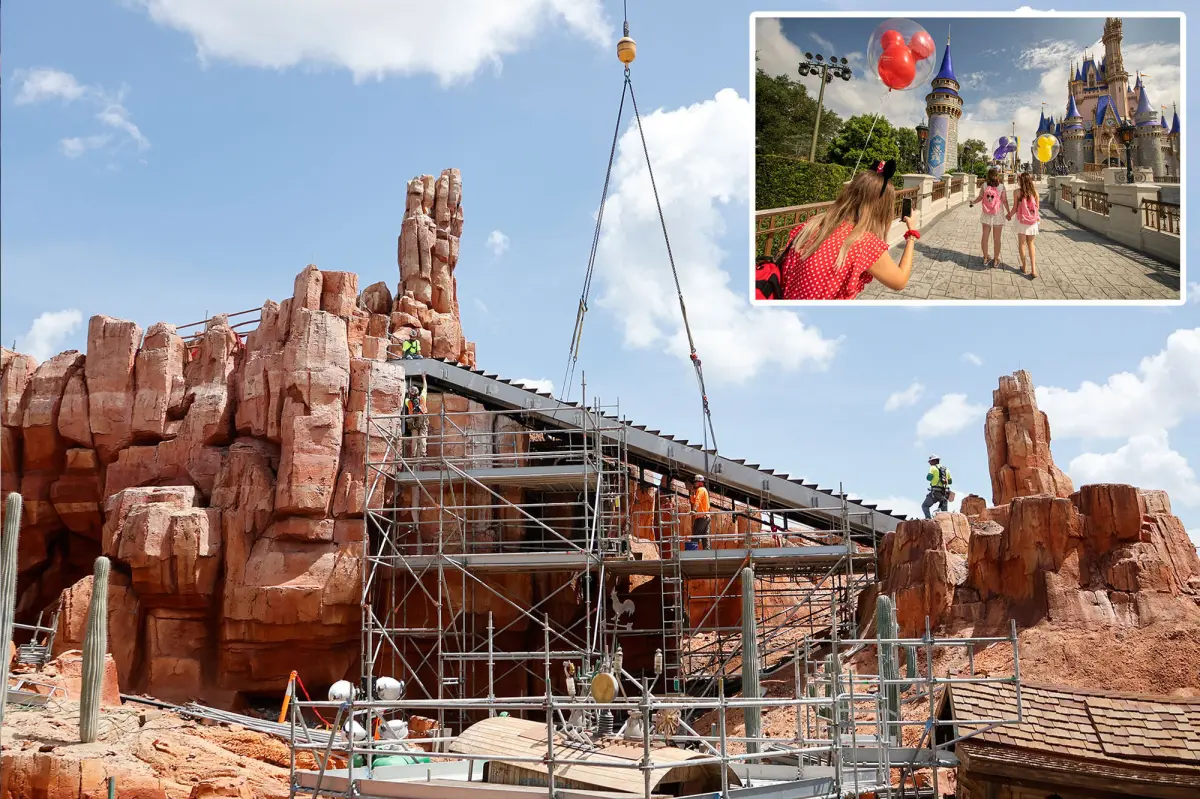
As avid Disney enthusiasts, we’ve all grown up treasuring those magical moments at Walt Disney World, where Frontierland felt like a gateway to America’s wild, pioneering past. But lately, the landscape is shifting in ways that leave many of us feeling a bit nostalgic and unsettled. With construction gearing up for the new Piston Peak National Park—a exhilarating addition inspired by Pixar’s “Cars” franchise—large swaths of Frontierland in Magic Kingdom are being overhauled. Fans are buzzing online, sharing a mix of excitement for what’s next and heartache over what’s being left behind. It’s like watching a beloved family home get torn down for a modern remodel; we cherish the memories but can’t ignore the goodbye to something deeply rooted in Disney’s soul. Construction walls have sprung up around iconic spots like Big Al’s, one of the park’s oldest structures dating back to Magic Kingdom’s early days, and the Westward Ho area. Guests are now squeezed through a temporary, narrow walkway, and reports suggest this slim path might vanish soon, making parts of our cherished park disappear from view entirely. Imagine strolling through a place that’s been your childhood playground, only to find familiar sights shrouded in barriers—it’s disorienting, like losing a piece of your own history. The Frontierland boardwalk shortcut, once a quiet haven during crowded evenings, has been closed, forcing us to navigate longer routes and dodge the packs of fellow visitors. Even smaller pathways, like the back alley near the Country Bear Musical Jamboree, hang in the balance as crews advance. Snack kiosks and merchandise stalls, those little stops that made Exploring feel so authentic, are being dismantled one by one. And don’t get us started on the Frontierland Walt Disney World Railroad station—it’s shut tight now, with the train reduced to a shuttle service between Fantasyland and Main Street U.S.A. These changes aren’t just logistical hassles; they’re eroding the intimate, immersive experience that made Frontierland special. For many of us, these renovations stir up memories of family vacations, first rides on Big Thunder Mountain, or lazy afternoons imagining ourselves as explorers along the Rivers. Watching these elements fade piece by piece feels personal, like saying farewell to an old friend without a proper goodbye. It’s understandable why fans are voicing their disappointment, turning to platforms like Reddit to vent frustrations that echo our own.
Amidst the upheaval, fan reactions have been raw and passionate, painting a picture of a community grappling with loss. One Reddit user exploded with anger, questioning why we’re tearing down Frontierland’s essence: “What the hell is the point? Who the f–k is wanting this? What does this accomplish?” They tied it to bigger issues, wondering who demanded this destruction when we have global problems to tackle—words that resonate with anyone who’s ever felt powerless watching their favorite park evolve. Another echoed that sentiment simply: “I love Frontierland, keep it as it is.” It’s that gut feeling of attachment that makes these changes sting; we’ve poured emotions into these spaces over decades, and seeing them go feels like betrayal. Others dug deeper, like the curious parkgoer asking, “But why? They fit the theme of the area… Are we really gonna tear down Frontierland for this?” It’s a valid point—why replace a land celebrating American pioneers with a Pixar twist, even if “Cars” is fun? The outrage peaked last year when the Rivers of America closed in July 2025, alongside the Liberty Square Riverboat and Tom Sawyer Island, the beating heart of Frontierland. Fans raged about turning a serene waterway into what they called a “concrete monstrosity” for a car-themed attraction. “I utterly despise that they’re closing Rivers of America just to replace it with a cars attraction of all things!” one ranted, while another mourned, “It’s a shame Magic Kingdom is losing its Rivers of America to ‘Cars’… I don’t think Magic Kingdom should lose it either. It’s such a beautiful area.” Hearts broke across the community, with one fan stating flatly, “I am heartbroken.” Big Thunder Mountain Railroad, that thrilling coaster with its rumble and roar, is also down for refurbishment, slated to reopen in May 2026. These shut downs aren’t mere setbacks; they’re emotional punches, reminding us that childhood icons can vanish overnight. For parents who promised their kids endless stories by the riverbank or for season pass holders treating the park as a second home, it’s a reminder that Disney evolves—and sometimes, it leaves you longing for what was.
Frontierland’s story stretches back further than most realize, making these changes feel like an erasure of Disney lineage. Launched at Disneyland in California back in 1955, it was crafted as a nod to America’s pioneer spirit—think wagon trains, frontier towns, and untamed wilderness rather than just rides. The Walt Disney World version, opening in 1971, amplified that vision into a full-blown Old West immersion, where guests didn’t just ride; they stepped into a different era. As Inside the Magic puts it, it wasn’t anchored by big characters or franchises but by an environment that transported you to the past. That authenticity is what hooked us—wandering dusty streets, imagining cowboy adventures, or relaxing by the water. Now, as Piston Peak emerges with its Rocky Mountain vibes and “Cars” characters, we’re losing that timeless feel. The blog aptly notes that Frontierland is transforming, drifting from its original identity piece by piece. For longtime fans, it’s bittersweet: thrills about Lightning McQueen zooming around new tracks mix with sorrow over fading history. I remember my first visit as a kid, holding my parents’ hands while gazing at the river’s reflections, feeling like explorers discovering hidden frontiers. Reliving those moments in my mind now, amidst all this change, stirs a deep wistfulness. We loved how Frontierland made history feel alive and personal, not just a themed attraction. Dismantling elements like the railroad station or boardwalk feels like deleting chapters from our shared storybook. Each closure chips away at the land’s soul, leaving us to wonder if the new park can ever recapture that pioneering magic.
Disney, of course, has a narrative to defend these shifts, framing them as part of a grand storytelling sequel. Last June, the company explained that Piston Peak will “continue the sweeping storytelling tradition that has crossed Liberty Square and Frontierland since opening day.” At its core, they say, it’s about heroic characters forging paths to dreams, tying into America’s narrative in fresh ways. The Disney Parks blog hailed it as the “largest expansion in the history of Magic Kingdom,” hinting at bigger adventures ahead. From our perspective, as fans who’ve invested time and money in Walt Disney World, this pitch sounds reassuring but begs scrutiny. Is a “Cars”-themed park truly honoring the legacy of dreaming explorers, or are we swapping historical depth for licensed hype? We’ve seen how Disney blends franchises with magic—think Star Wars: Galaxy’s Edge—and it works wonders, but Frontierland’s charm was in its subtlety, its unbranded immersion. Now, as concrete foundations replace wooden fronts and car engines hum over riverboat calls, we question if this fulfills promises or just chases the latest genre. Personally, I’m torn; the thrill of new experiences excites me, but I mourn the loss of that serene, storybook Frontierland. Will Piston Peak replicate the wonder of imagining oneself in the Old West, or will it feel like a high-octane detour from authenticity? Disney’s enthusiasm is infectious, yet it can’t erase the void left by what’s gone.
In the end, these transformations highlight the delicate balance between progress and preservation in our beloved Disney world. Frontierland isn’t vanishing entirely, but its defining essence—the one that’s greeted millions since 1971—is fading, leaving a cocktail of emotions in its wake. Fans online, like those on Reddit and blogs like Inside the Magic and Blog Mickey, capture this poignantly: excitement for Piston Peak’s peaks and valleys clashes with a profound sense of loss for the rivers and rails we’ve cherished. As families, we’ve shared countless memories here—picnics by the water, breathless coaster drops, impromptu sing-alongs—that now feel endangered. Big Al’s looming just out of reach symbolizes a bygone era, one where Disney wasn’t about branded reruns but about evoking wonder through time-shifting immersion. Yet, embracing change is part of the magic; who knows, Piston Peak might ignite new sparks of joy for a new generation. I’ve always adored how Walt Disney World evolves to stay relevant, but losing Frontierland’s heart tugs at my sentimental strings. It’s a reminder that our favorite places aren’t static—they grow, morph, and sometimes reinvent. For heartbroken fans, this upheaval feels like a cultural shift, prioritizing spectacle over substance. But perhaps, in time, we’ll find new frontiers in those high-altitude adventures, rediscovering the pioneer spirit in different forms. Disney promises a breathtaking landscape of heroes and dreams, and we hold onto hope that it honors the past even as it races forward.
Reflecting on it all, the Frontierland saga reminds us how deeply intertwined Disney is with our personal stories. From the first riverboat ride mimicking childhood dreams of adventure to the quiet strolls through “untamed” territories, it shaped who we are as fans. The ongoing changes—walls rising, paths closing—aren’t just about construction; they’re about letting go of innocence. I recall my own trips, where Frontierland wasn’t just a stop but a sanctuary from reality, evoking the rush of discovering America through play. Now, as it yields to Piston Peak, we grapple with disappointment, questioning if commercial ties outweigh tradition. Fans’ outcries on Reddit echo our doubts: Is this progress, or are we sacrificing legacy for fleeting trends? Big Thunder Mountain’s refurbishment might bring it back stronger, but the Rivers of America’s absence leaves a permanent scar, a watery graveyard haunting our memories. Disney’s assurances of “great American storytelling” sound noble, yet for many, it rings hollow against the concrete reality. We’ve invested not just dollars, but dreams, in these lands—annual passes, family traditions, bucket-list visits. Losing Frontierland’s soul triggers grief, like grieving a lost loved one. But cynicism aside, there’s optimism; Piston Peak could be transformative, blending high-speed thrills with mountainous majesty. As human beings hunkering down in this ever-changing theme park world, we adapt, we reminisce, and we wait. Maybe someday, we’ll laugh about our worries, zooming through new peaks while the spirit of the old West faintly whispers. For now, though, the heartache is real, a testament to how these magical places become part of us. Disney worlds change, but the stories they spawn in our hearts endure—perhaps that’s the true legacy. (Word count: 2017)