






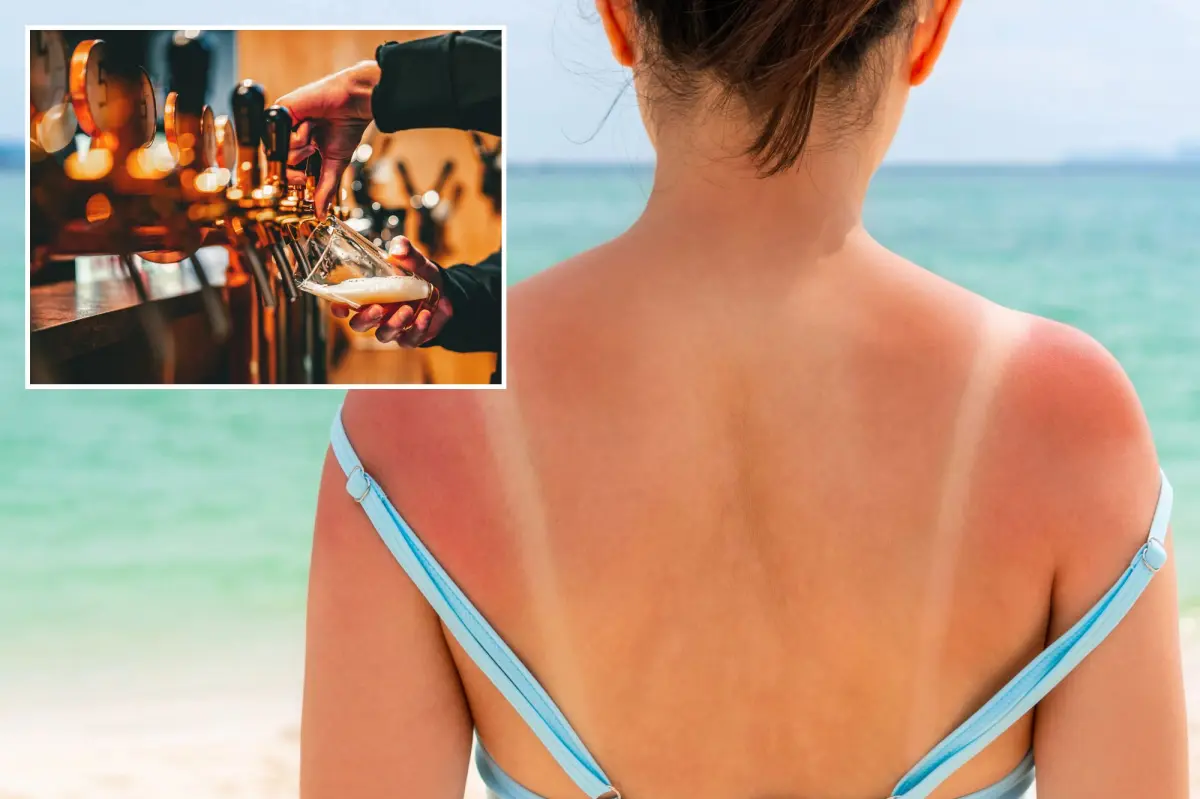
Imagine stepping into a sunny day, the warmth of the sun kissing your skin, but lurking beneath that pleasant glow is a silent threat: harmful ultraviolet B (UVB) rays that can lead to sunburns, premature aging, and even skin cancer. It’s a familiar scenario for many of us who love outdoor adventures, from beach trips to backyard barbecues. Lately, though, there’s been a buzz in the skincare community that’s got everyone excited. Scientists are exploring an unlikely hero from the world of beer—specifically, the leftovers from hops after brewing—that could revolutionize the way we protect ourselves from the sun. This isn’t just any old discovery; it’s a potential game-changer for creating more effective, natural sunscreens that might give the chemicals in current products a run for their money. Picture this: your favorite craft beer brewery might soon be the source of a supercharged sunblock, turning what was once waste into a wonder ingredient. It’s fascinating how nature and human innovation can collide in such unexpected ways, making everyday items like beer hold secrets for better health. As someone who’s dealt with my fair share of sunburns from forgetful moments by the pool, I can’t help but feel hopeful about this natural approach. It reminds me of those “aha” moments in science fiction movies where humble byproducts become superpowers, but here, it’s grounded in real research that could affect millions. The idea stems from a pressing problem in the skincare industry: not all sunscreens deliver on their promises, and many contain ingredients that raise eyebrows about safety. So, what’s the story behind this hop-enhanced sunscreen? Let’s dive deeper into the challenges we face and why this beer byproduct is catching everyone’s attention, painting a picture of a future where sun protection feels both effective and eco-friendly.
The sunscreen aisle at your local store might seem straightforward, but beneath the colorful bottles lies a world of inconsistency and concern that affects countless people each summer. Studies, like one from Consumer Reports just a few weeks ago, have revealed that out of over 100 popular sunscreens tested, most fall short of the Sun Protection Factor (SPF) levels advertised on their labels. Imagine shelling out good money for SPF 50, only to discover it’s really providing closer to SPF 30—leaving your skin more vulnerable than you thought. This discrepancy isn’t just disappointing; it’s potentially dangerous, especially for families with kids splashing in the waves or teens hitting the skate park. Compounding the issue are growing worries about the chemicals in traditional sunscreens, such as oxybenzone or parabens, which some research links to hormone disruptions, allergic reactions, or harm to coral reefs when they wash off into oceans during swims. As an environmental enthusiast, I’ve always felt a twinge of guilt thinking about those chemicals polluting pristine waters while I’m trying to enjoy a relaxed day at the beach. It’s like inviting a friend over who ends up creating a mess they don’t clean up. Experts are increasingly calling for alternatives that are kinder to our bodies and the planet, and that’s where this brewing-world find enters the scene. The quest for a natural, eco-friendly booster has led Brazilian researchers to zero in on spent hops, the residual plant material left after beer production. It’s not just about replacing bad ingredients; it’s about enhancing protection without the baggage. I’ve experienced firsthand the frustration of slathering on sunscreen only to sweat it off or find it stained my clothes—think of the times I’ve dropped a tube mid-application and ended up with sticky hands. With these revelations, the call for better, safer sunscreens feels more urgent, sparking conversations about regulatory reforms and consumer awareness. Innovations like this hop-based additive could transform the market, offering peace of mind for those of us who spend endless hours outdoors, whether it’s gardening in the backyard or hiking mountain trails.
To truly appreciate the magic of spent hops, it’s worth understanding what hops are and their starring role in beer. Hops are these vibrant, cone-shaped flowers from the Humulus lupulus vine, a plant that’s been cultivated for centuries to add bitterness, flavor, and aroma to beers. Think of them as the spice rack of the brewing world—if beer were a dish, hops would be the secret herbs that make it pop. During the brewing process, they’re introduced at key stages: first, when the liquid wort is boiled to create that hoppy base, and sometimes later in “dry hopping,” where whole cones or pellets are added post-fermentation for an extra zing in smell and taste. It’s like layering flavors in a complex stew, building depth bite by bite. But here’s the intriguing part—after all that, a ton of the hops’ natural goodness remains in the leftover material, what brewers call “spent grains” or in this case, spent hops. Traditionally, this waste is discarded, tossed into compost or landfills, which seems wasteful when you consider it’s loaded with bioactive compounds, potent antioxidants, and polyphenols that have shown promise in fighting inflammation and oxidative stress. I’ve read about how hops have been used for their calming effects in teas or even in folk medicine for soothing anxiety—like the time I tried a non-alcoholic hops-infused drink to unwind after a stressful day. Now, imagine that byproduct, usually headed for the trash, being repurposed into skincare. It’s a beautiful example of upcycling, turning something seen as refuse in one industry into a treasure for another. As someone who loves craft beer and sustainability, I’ve often wondered why we don’t recycle more from food and drink processes—think coffee grounds for fertilizer or wine pomace for bio-products. This hop revival could encourage breweries to rethink their waste streams, fostering partnerships with cosmetic scientists and creating a circular economy where one person’s indulgence fuels another’s protection. The environmental benefits are huge; by using spent hops, we’re reducing landfill impact while tapping into a renewable resource from agriculture.
In the lab, the real test of this concept played out like an exciting experiment you’d see in a science documentary, blending the worlds of fermentation and photoprotection. Researchers from Brazil took an extract from these spent hops and incorporated it into a standard water-based sunscreen formula. The results? A stunning leap in effectiveness: the SPF jumped from around 54 to an impressive 178. That’s like upgrading from a basic shield to a fortress against UVB rays, the specific wavelength that causes sunburns and DNA damage in skin cells. Lab tests, while preliminary, are crucial in skincare research—they simulate sun exposure under controlled conditions, measuring how well the product absorbs or reflects UV light. No human trials yet, so it’s not something you’d find on shelves tomorrow, but the potential is undeniable. As someone who’s burned easily on even mildly cloudy days, I can dream of a sunscreen that actually lives up to its hype, especially one derived from beer—a comforting thought if you’ve ever nursed a hangover with sunscreen regrets. This discovery builds on prior studies showing hops’ antioxidants, like xanthohumol, combat UV-induced oxidative stress, potentially healing and preventing damage at a cellular level. It’s like giving your skin’s defenses a natural vitamin boost, reminiscent of how fruits and veggies help fight free radicals. Of course, the extract isn’t a silver bullet; other factors like formulation stability and interaction with existing ingredients matter. Still, this marks a step toward bio-inspired sunscreens, where plant-based extras from everyday sources enhance protection. Imagine brewers donating their spent hops to labs, creating a symbiotic cycle—your pint of IPA indirectly shielding you from sunspots. For researchers, this could pave the way for customized additives, tailored to individual needs, like stronger doses for fair-skinned folks. The excitement is palpable, with implications for affordable, accessible sun care that doesn’t rely on synthetic chemicals. But how did we get here? Ongoing debates on sunscreen efficacy highlighted the need for innovation, pushing scientists to forage in unexpected places like brewery backyards.
While the hop-enhanced sunscreen idea is tantalizing, it’s important to remember we’re still in the early stages, with plenty of hurdles before it hits mainstream use. All the testing so far has been in a lab setting, not on real human skin, so experts like study coordinator André Rolim Baby emphasize the need for more validation—think long-term stability tests to ensure the sunscreen doesn’t degrade over months on a shelf, standardization of the bioactive compounds for consistent potency, and rigorous clinical trials checking for safety and efficacy. Possible allergies or interactions could arise, especially for sensitive skin types, and we’d need FDA approval in the US to confirm it’s safe for widespread application. As an optimist, I see this as a promising path, but it’s a marathon, not a sprint—potentially years away from commercial products. In the meantime, dermatologists offer solid advice to bridge the gap: aim for SPF 30 as your everyday shield, which blocks about 97% of UVB rays when applied right, preventing those sneaky sunburns that accumulate over time. For extended outdoor escapades, like a day at the park or beach lounging, bump up to SPF 50 for extra coverage against deeper penetration. Water-resistant options are key for sweaty hikes or pool dips, though even those need reapplication after toweling off. And let’s talk practical application— the FDA suggests roughly two milligrams per square centimeter of skin, which translates to about a shot glass full for an average adult’s exposed areas. Slather it 15 minutes before heading out, and reapply every two hours, or immediately after sweating or swimming. Surveys reveal most people skip this ritual, underapplying or forgetting altogether, which undermines the product’s power. I’ve been guilty of this myself, dashing out the door with sunscreen forgotten, only to pay with peeling shoulders. Educating ourselves on proper habits can make a big difference, turning routine care into empowering self-protection.
The stakes of ignoring sun safety couldn’t be higher, as the consequences unfold slowly but surely over a lifetime. Unprotected UVB exposure isn’t just a one-off sunburn; it’s a cumulative assault that leads to premature aging with wrinkles and sagging skin, dark spots that mar our complexion, and ramped-up risks of skin cancer. Picture waking up one morning to notice lines you didn’t have before—it happened to a friend who scoffed at sunscreen in their youth, now dealing with constant reminders on their face. Studies show that just five or more sunburns can more than double your chance of melanoma, the most lethal form of skin cancer, which spreads stealthily if not caught early. This year, the American Cancer Society projects nearly 112,000 new melanoma diagnoses in the US alone, with over 8,500 fatalities expected. Those numbers hit hard, especially when you know prevention is within reach through simple habits. As someone who’s had close calls with suspicious moles, I’ve become vigilant, viewing sun exposure not as an enemy but as something manageable. The beauty of sunscreens like those potentially boosted by hops is that they offer a proactive shield, reducing the invisible toll of environmental damage. For families, teaching kids early about sun safety can create lifelong habits, turning beach days into bonding opportunities rather than risks. Community awareness drives change—think local events with free sunscreen demos or apps reminding users to reapply. Ultimately, while researching spent hops excites the future, today’s actions protect tomorrow’s health. Embracing nature’s offerings, like this brewing byproduct, alongside mindful routines, empowers us to enjoy the sun responsibly, fostering a world where outdoor joys don’t come at the cost of well-being. It’s a reminder that innovation and personal diligence go hand in hand, weaving together science and self-care for brighter, safer days ahead.