




We have all been there: sitting on the couch, staring blankly at the Netflix homepage, scrolling endlessly through a dizzying array of options while our dinner slowly gets cold. It is a modern-day existential crisis that would make William Shakespeare’s Hamlet look like a minor inconvenience—to stream or not to stream, and more importantly, what on earth should we actually watch? This weekend, instead of losing yourself in the black hole of decision paralysis, you can let go of the remote and trust a curated selection of films designed to entertain, thrill, and delight without sending you into a spiral of deep, exhausting contemplation. The trick to a perfect weekend watchlist lies in variety, balancing historical luxury, high-octane adrenaline, and self-aware, campy fun. To save you from the frustrating trial-and-error of the algorithm, we have highlighted three exceptional, high-quality films currently streaming on Netflix that represent the absolute best of their respective eras and genres. Our journey begins with Sofia Coppola’s lavish, pastel-hued masterpiece Marie Antoinette, which breathes fresh, modern life into the tragic story of France’s most infamous and misunderstood young queen. From there, we shift gears entirely with Speed, the definitive 1994 action blockbuster that turned Keanu Reeves and Sandra Bullock into absolute superstars while keeping audiences on the edge of their seats with one of the greatest high-concept premises in cinematic history. Finally, we round out the weekend with Bride of Chucky, a brilliantly campy horror-comedy from 1998 that revived a dying franchise by leaning into sheer absurdity and the unmistakable, sparkling voice of Jennifer Tilly. These films offer the ultimate escape from the monotony of daily life, providing a rich tapestry of visual storytelling, genuine tension, and laugh-out-loud moments that make them well worth your valuable free time.
Leading our list is Sofia Coppola’s gorgeous 2006 biographical drama Marie Antoinette, a film that boldly dares to humanize a historical figure who has long been vilified by textbook history. Starring a luminous Kirsten Dunst as the titular character, the story begins when the fourteen-year-old Austrian archduchess is abruptly uprooted from her childhood home and sent to France to marry the future King Louis XVI, played with an awkward, endearing vulnerability by Jason Schwartzman. From the moment she steps across the border, Marie is stripped of her identity, her familiar comforts, and her privacy, thrust into the cold, calculated gossip mill of the court of Versailles. Coppola, celebrated for her ability to capture the profound isolation of young women in films like Lost in Translation, chooses not to portray Marie as a cold-hearted, indifferent royal who famously (and falsely) muttered “let them eat cake.” Instead, she shows us a deeply lonely, overwhelmed teenager struggling to navigate a marriage to a man who seems utterly uninterested in her, finding solace in the only things she can control: her fashion, her friends, and her indulgence in the finer things in life. By focusing on her youth and naiveté, the film transforms a historical caricature into a deeply relatable young woman who is simply trying to survive the intense, suffocating pressure of her public role. Dunst delivers a career-defining performance that balances childlike innocence with a growing, quiet maternal strength as her world begins to crumble around her, forcing the audience to empathize with a girl who was ultimately a pawn in a much larger, violent political game.
Beyond its emotional core, Marie Antoinette is an absolute feast for the senses, standing out as one of the most visually stunning and stylistically daring period pieces ever made. Rather than adhering to the rigid, stuffy conventions of traditional costume dramas, Coppola infuses the film with a vibrant, candy-colored palette and an iconic post-punk and new wave soundtrack featuring bands like New Order, Bow Wow Wow, and The Cure. This brilliant collision of the 18th century and the 1980s perfectly captures the rebellious, youthful spirit of Marie’s inner world, famously highlighted in a blink-and-you’ll-miss-it shot of a pair of lavender Converse Chuck Taylor sneakers sitting among her collection of hand-crafted silk slippers. We watch as Marie escapes the suffocating court etiquette by throwing lavish, all-night masquerade balls, indulging in towering mountains of pink macarons, and embarking on a passionate, secret affair with the dashing Swedish soldier Axel von Fersen, played by a young Jamie Dornan. However, Coppola does not entirely absolve her protagonist of responsibility; the film gently but firmly contrasts the blinding, extravagant wealth of Versailles with the mounting rage of an impoverished, starving French public. As the revolutionary cries grow louder outside the palace gates, the dreamlike fantasy of Marie’s life begins to fracture, making the film a hauntingly relevant commentary on wealth disparity and the bubble of celebrity culture that feels just as poignant today as it did in 2006.
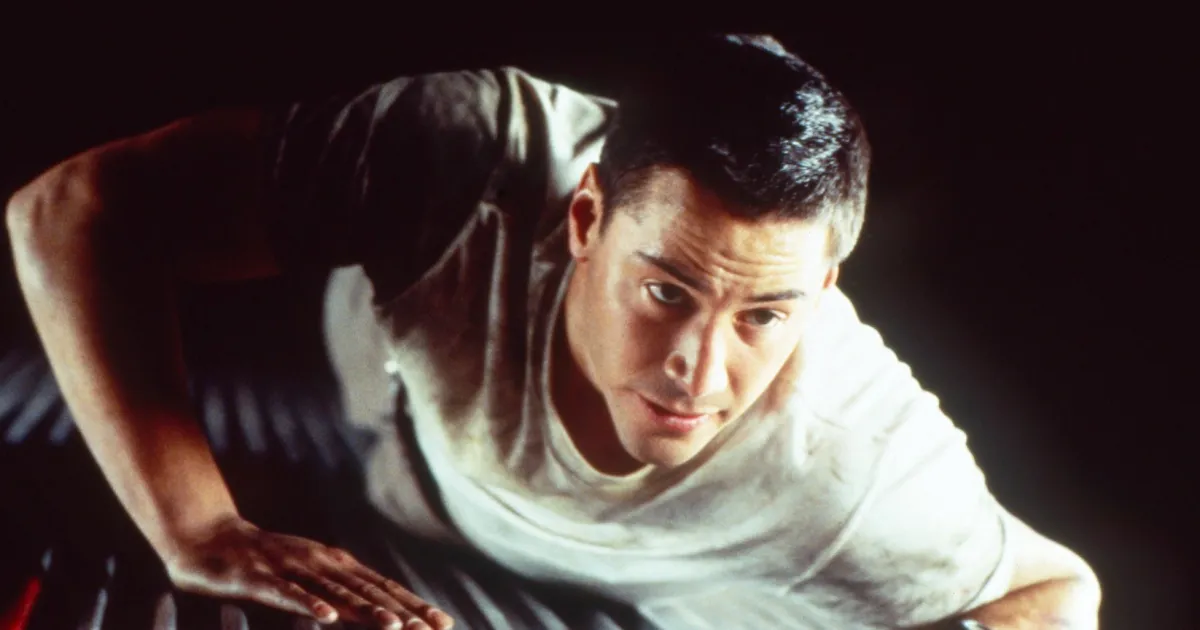
If you are looking to swap pastel-colored pastries for pure, unadulterated high-octane adrenaline, look no further than the 1994 action classic Speed. The premise is so beautifully simple that it remains the gold standard for high-concept thrillers: there is a bomb on a public transit bus in Los Angeles, and if the bus drops below fifty miles per hour, it will explode, killing everyone on board. Keanu Reeves stars as Jack Traven, an intensely dedicated LAPD SWAT officer who must find a way to board the moving vehicle, keep it hurtling down the congested, unpredictable city freeways, and outsmart the brilliant, psychopathic bomber Howard Payne, played with manic, scene-stealing glee by Dennis Hopper. From the very moment Jack leaps onto the speeding bus, the film establishes a relentless pace that never lets up, turning everyday traffic jams, highway construction zones, and tight city corners into terrifying, life-or-death obstacles. Director Jan de Bont utilizes practical stunts and tight camera work to place the audience right in the driver’s seat, making us feel every screech of the tires and every spike in heart rate as the clock ticks down. It is a masterful exercise in tension and narrative economy, proving that you do not need complicated plot twists or massive CGI explosions to create a cinematic masterpiece—all you need is a clear, unstoppable conflict and a hero willing to risk everything to save a group of ordinary citizens.
While the heart-stopping action sequences are undoubtedly spectacular, the real secret weapon of Speed is the undeniable, lightning-in-a-bottle chemistry between Keanu Reeves and Sandra Bullock. Bullock plays Annie Porter, a spunky, everyday commuter who is thrust into the driver’s seat after the bus’s actual driver is accidentally shot, forcing her to steer the massive vehicle through the chaotic streets of Los Angeles with Jack by her side. Reeves and Bullock crackle with a playful, protective energy that elevates the film from a standard action flick into an incredibly endearing, high-stakes romantic comedy in disguise. Jack’s stoic, heroic determination perfectly balances Annie’s panicked but incredibly brave and resourceful humor, creating a dynamic that feels grounded, human, and deeply sympathetic amidst the chaos. Unlike many modern action heroes who feel invincible, Jack and Annie feel like real people who are genuinely terrified, exhausted, and relying entirely on their wits and each other to survive. Their shared trauma and mutual respect blossom into a sweet, believable romance that culminates in one of the most iconic, breathless kisses in action movie history, proving that love can indeed conquer all, even a runaway bus. It is this warm, human heart beating beneath the metallic, fast-paced action that has allowed Speed to stand the test of time, remaining a joyous, comforting watch that still delivers an absolute rush of joy every single time you press play.
Finally, for those who prefer their weekend entertainment with a healthy dose of dark humor, campy self-awareness, and late-90s nostalgia, Bride of Chucky is the perfect pick. Released in 1998, this film brilliantly breathed new life into a stalling horror franchise by pivoting away from straightforward scares and fully embracing the ridiculousness of its premise. The legendary Brad Dourif returns to voice Chucky, the infamous serial killer trapped inside a doll, who is stitched back together by his obsessed former girlfriend, Tiffany Valentine, played with delicious, manic perfection by Jennifer Tilly. After a domestic dispute turns deadly, Chucky kills Tiffany and transfers her soul into a matching bride doll, leading the murderous plastic duo to embark on a chaotic, bloody road trip across America to find a magical amulet that will restore them to human form. Tilly’s performance is an absolute masterclass in camp, utilizing her signature breathy voice and dramatic flair to create a character that is simultaneously terrifying, hilarious, and strangely sympathetic. The film’s self-deprecating humor, clever pop-culture references, and delightfully over-the-top puppet animatronics turned it into an instant cult classic, revitalizing the franchise and paving the way for multiple sequels and an ongoing hit television series. As you settle in for your weekend streaming session, choosing between the royal elegance of Marie Antoinette, the relentless, sweaty suspense of Speed, or the wicked, laugh-out-loud fun of Bride of Chucky ensures that your time spent in front of the screen will be anything but wasted. So dim the lights, grab your favorite snacks, and let these three cinematic triumphs remind you of why we fell in love with the movies in the first place.