







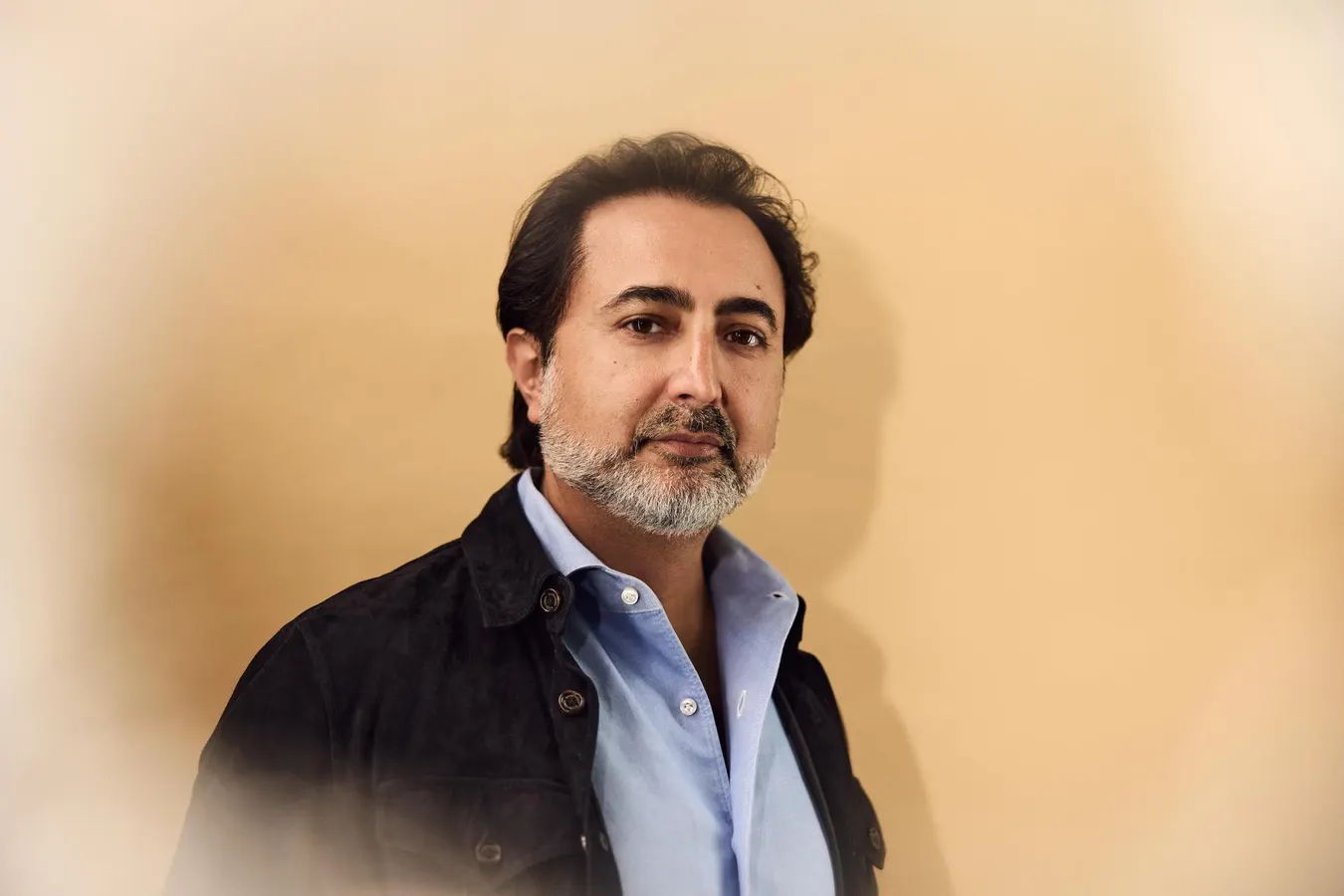
It started with a bold, almost heretical idea: what if a venture capital firm didn’t just invest in healthcare startups, but actually bought a hospital system and ran it like a tech company? Last October, General Catalyst did exactly that, paying $485 million to acquire Summa Health, a three-hospital system serving five counties in northeast Ohio. The theory was that by owning the whole operation, the firm could finally break through the inertia that has kept most hospitals from truly embracing artificial intelligence and modern software. This week, we got our first real look at what that experiment looks like in practice. Summa Health and General Catalyst announced the first wave of nine healthcare companies now embedded in the 8,000-employee health system. They include Clarium, which uses AI to make hospital supply chains more efficient; Hippocratic AI, which builds voice agents that can talk to patients; Judi Health, a tech-enabled pharmacy benefit manager; and Transcarent, a healthcare navigation company. Unsurprisingly, all nine are backed by General Catalyst itself. The message is clear: this isn’t about selling point solutions to cautious hospital executives. It’s about building an entire tech stack from the ground up, wrapped around patient care. As Hemant Taneja, General Catalyst’s CEO, put it, “The Amazon of healthcare is not a trillion-dollar company, but a trillion-dollar ecosystem.” His vision is that no existing healthcare provider would ever move fast enough or take enough risk to inject technology into every step of its operations, so he decided to do it himself.
The Summa Health experiment is still in its early days, but the people leading it say they’re already seeing real signs of life. Daryl Tol, Summa’s acting CEO and the CEO of HatCo, General Catalyst’s vehicle for healthcare transformation, says patients are receiving care they might otherwise have missed, simply because Hippocratic AI’s smart voice agents reached out to them proactively. The financial picture is also improving. While Summa Health isn’t yet profitable, its operating EBITDA is now positive on revenue of $2.3 billion. That’s a meaningful shift from 2024, when Forbes first wrote about the plan and the health system was losing money on revenue of around $2 billion. There’s also new leadership on the way: Jennifer Eslinger, currently chief operating officer of Rochester Regional Health, will take over as Summa’s CEO in September, while Tol remains at the helm of HatCo. The broader healthcare industry is watching closely because hospitals everywhere are wrestling with how to use AI without breaking their existing systems. OpenAI has signed deals with eight major health systems as part of its own healthcare push, and Khosla Ventures has partnered with Cleveland Clinic to test a portfolio of AI, digital health, and next-generation therapeutics. But the messy reality is that most hospitals are running on fragmented, outdated technology, and getting new tools to work together is a formidable challenge. Taneja believes Summa has an edge thanks to Percepta, a General Catalyst-owned company focused on AI modernization, led by Hirsh Jain, a former Palantir executive who spent seven years running its healthcare and civilian government business. “My hope is that once we show that this is possible, and it’s not as dangerous or as risky or as expensive as folks think, that others will follow,” Taneja said. “If we are going to fail we are going to fail for the right reasons. We should not fail because of inertia.”
Meanwhile, as part of Forbes’ celebration of America’s 250th birthday, the Veteran 250 list honors the most successful Americans who served in the armed forces, and several healthcare leaders stand out for their remarkable contributions. Thomas Frist Jr., after serving two years as a flight surgeon in Vietnam, co-founded Hospital Corporation of America, which became one of the country’s largest healthcare providers and has hired more than 65,000 veterans and their family members. Frist and his family are worth $32.9 billion, but the impact goes far beyond wealth. Louis Argenta, a Navy Medical Corps veteran, co-invented vacuum-assisted closure, a wound-healing device that has been used on more than 20 million patients since it hit the market in 1995. Alan Miller served in the U.S. Army before founding Universal Health Services in 1979, building a hospital system that made him a billionaire with a net worth of $1.7 billion. Patricia Horoho broke barriers as the first woman to command the U.S. Army Medical Command, and after 34 years of service, she went into the private sector, eventually becoming the founding CEO of Optum Serve, UnitedHealth’s federal health services subsidiary. Then there are Daniel Brillman and Taylor Justice, two veterans who co-founded Unite Us, a healthtech unicorn that builds software to help healthcare providers and social services agencies collaborate on patient care, addressing the social determinants that so often make people sicker. Brillman is now director of Medicaid and the Children’s Health Insurance Program. These honorees embody a simple truth: the discipline, leadership, and mission-driven mindset that military service instills can transform American healthcare just as powerfully as any algorithm or breakthrough drug.
In the dealmaking world, biotech giant BioMarin, which has a market cap of around $13 billion, is making a strategic bet on the future of rare bone disease treatment. The company is acquiring an early-stage bone disease therapy from Alesta Therapeutics for $275 million upfront, with the potential for an additional $125 million in milestone payments. The acquisition positions San Rafael, California-based BioMarin to potentially go head-to-head with AstraZeneca in the rare bone disease market, a space where effective therapies can be both medically profound and commercially lucrative. But the deal has an unusual structural twist: even though it’s framed as an acquisition, Alesta plans to spin out all of its other assets before the transaction closes. In other words, BioMarin isn’t buying the whole company; it’s cherry-picking the specific program it believes in and letting Alesta continue independently with everything else. This kind of targeted asset acquisition is becoming more common in biotech, where big pharma and large biotechs prefer to buy promising drugs without the baggage of an entire organization. For Alesta, the deal provides a huge cash infusion and validation of its science, while allowing it to preserve its other work. For BioMarin, it’s a calculated move to broaden its pipeline in a therapeutic area where it already has deep expertise. Early-stage therapies are risky, but with a $400 million valuation on the table, BioMarin clearly sees enough potential to place a significant wager. If the therapy succeeds in clinical trials, it could offer new hope to patients with debilitating bone conditions, and give BioMarin a strong competitor to AstraZeneca in a niche but high-value market.
Elsewhere in the healthcare world, there’s no shortage of news that matters. President Trump has announced plans to nominate Heidi Overton to lead the FDA. Overton, a top domestic policy aide, is a fierce opponent of abortion rights and a supporter of RFK Jr.’s Make America Healthy Again movement, signaling a potentially dramatic shift in how the agency approaches regulation, public health, and drug approval. Moderna’s stock is surging after strong clinical trial results for a cancer vaccine designed to treat melanoma, adding to the growing excitement around mRNA technology beyond COVID-19. Meanwhile, federal and state investigators are scrutinizing Epic, the dominant electronic health records company, over alleged anti-competitive practices that could be stifling innovation in healthcare software. The FDA is also exploring a novel idea: evaluating AI-enabled medical devices with a “competency-based approach” similar to how doctors are credentialed, rather than treating every algorithm update as a brand-new product. There’s a heartening story about a nursing home that focuses on patients with ALS and multiple sclerosis, proving that quality, compassionate care is possible even for the most complex conditions. Costco, the retail giant, is gearing up to enter the Medicare market, launching Costco-branded Medicare Advantage plans in two states and a Medicare supplement plan in a third, in coordination with the nonprofit insurer SCAN Group. The current Ebola outbreak in the Democratic Republic of the Congo is the deadliest ever recorded, with 2,325 deaths and a staggering case fatality rate of 46%, a grim reminder of the persistent threat of infectious disease. And an obscure budget rule is threatening Medicaid coverage for millions of Americans, while in China, a third patient has died in one of the country’s so-called investigator-initiated trials, which have become a popular way to test experimental drugs quickly and cheaply, but without the same regulatory oversight common in the West.
Taken together, this week’s news paints a vivid picture of a healthcare system in the midst of chaotic, messy transformation. On one hand, you have visionary investors like Hemant Taneja trying to remake the hospital from the inside out, betting that technology can improve care and financial sustainability at the same time. On the other, you have veterans-turned-entrepreneurs and researchers who built the bedrock institutions of American medicine, from HCA to wound-healing devices that have touched millions of lives. There are billion-dollar deals for rare disease therapies, and there are heartbreaking outbreaks and regulatory battles that remind us how fragile health and healthcare can be. What connects all of these stories is the underlying human drive to heal, to innovate, and to make systems work better for real people. Whether it’s an AI voice agent calling a patient who might otherwise skip needed care, a veteran applying military discipline to public health, or a biotech company taking a calculated risk on an early-stage bone disease treatment, the goal is the same: reduce suffering and extend lives. The path forward is never straightforward, and failures are inevitable. But as Taneja said, it’s better to fail for the right reasons than to fail because of inertia. The healthcare system may never become a perfectly coordinated trillion-dollar ecosystem, but the people pushing it forward are proving that progress is possible when you combine bold vision with the willingness to get your hands dirty. That’s a story worth paying attention to, because ultimately, it affects all of us.