



The Cost of Premature Consensus: Why the Collapse of the Clarity Act Vote May Have Saved the Stablecoin Revolution
The High-Stakes Calculus of Capitol Hill’s Crypto Standoff
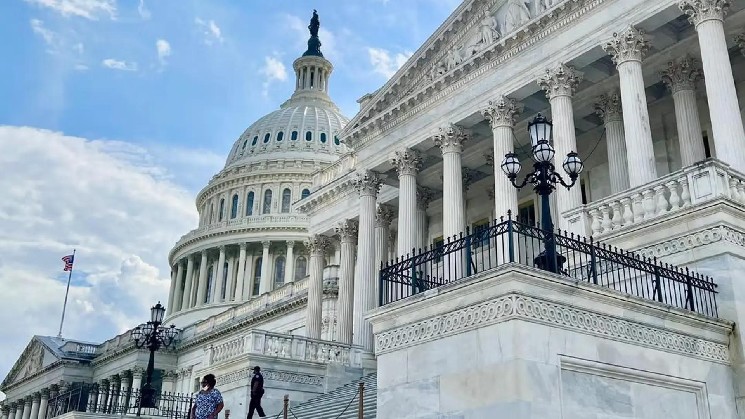
For months, the digital asset lobby has marched on Washington with a singular, high-stakes objective: force a Senate floor vote on the Clarity Act, the landmark legislative framework designed to bring America’s ballooning stablecoin market into the regulatory fold. Yet, as the dust settles on a tumultuous legislative session ahead of the August recess, the sudden collapse of this push has left many in the industry breathing a quiet, unexpected sigh of relief. While the initial reaction to the postponement of a critical cloture vote was one of bitter disappointment, a sober analysis of Capitol Hill’s procedural realities suggests that a premature vote would have likely acted as a death sentence for the bill. Had Senate leadership proceeded with a vote last week under the weight of unresolved partisan disputes, the legislation almost certainly would have failed to clear the sixty-vote threshold required to overcome a filibuster, effectively freezing any hope of federal stablecoin regulation until the next Congress. In the unforgiving ecosystem of federal lawmaking, a decisive defeat on the Senate floor does not merely delay a bill; it stigmatizes it, signaling to leadership that the issue is too toxic to warrant valuable floor time in future sessions. By avoiding a public, recorded failure, proponents of the Clarity Act have preserved its legislative viability, allowing the bill to remain in a state of suspended animation where quiet, bipartisan negotiations can continue behind closed doors rather than being buried entirely under the weight of electoral politics.
Deciphering the Legislative Gridlock: A Web of Unresolved Mandates
                       ┌───────────────────────────┐
                       │   THE CLARITY ACT VOTE    │
                       └─────────────┬─────────────┘
                                     │
              ┌──────────────────────┼──────────────────────┐
              ▼                      ▼                      ▼
  ┌──────────────────────┐┌──────────────────────┐┌──────────────────────┐
  │   ETHICAL TURMOIL    ││  THE YIELD DEBATE    ││ PROCEDURAL TIMING    │
  │  Trump's $1.4B Disclosure  ││ Interest-Bearing Models││ Looming August Recess │
  │  acts as "kill shot"  ││  vs. Bank Protections││ threatens cloture   │
  └──────────────────────┘└──────────────────────┘└──────────────────────┘
The narrative of a simple partisan divide fails to capture the sheer complexity of the policy deadlock that derailed the bill, as a dizzying array of unresolved regulatory, technical, and structural issues formed an insurmountable barrier for even the most optimistic legislative strategists. According to numerous Senate aides and industry insiders familiar with the negotiations, the policy gaps between the Senate Banking Committee leadership and the bill’s sponsors grew wider, rather than narrower, as the legislative calendar ticked down. At the heart of the gridlock was a fundamental disagreement over the jurisdictional boundaries between federal banking regulators, such as the Federal Reserve, and state-level financial authorities, with Democrats pushing for a robust federal floor and Republicans advocating for a more flexible, state-centric dual banking model. Compounding this structural dispute were highly technical disagreements over consumer protection standards, reserve audit requirements, and the systemic risk designations of stablecoin issuers. As the week progressed, it became painfully evident to lobbyists and lawmakers alike that rushing a complex, multi-billion-dollar regulatory framework to the floor without resolving these foundational questions would have invited legislative chaos, as senators were unwilling to cast defining votes on a financial system framework that remained structurally incomplete and politically volatile.
The Billion-Dollar Conflict: How Executive Portfolios Derailed the Bipartisan Consensus
Nowhere was the political fragility of the Clarity Act more apparent than in the shadow cast by the complex financial affairs of former President Donald Trump, whose expanding business ties to the digital asset sector have fundamentally altered the landscape of cryptocurrency lobbying in Washington. Democratic lawmakers have long harbored deep anxieties regarding the potential conflicts of interest inherent in crafting legislation that directly impacts a industry in which a major political figure holds a massive, direct stake—a concern that first flared during the intense May 2025 negotiations over the Guiding and Establishing National Innovation for U.S. Stablecoins Act (GENIUS Act). However, these abstract ethical concerns solidified into a formidable political barrier when financial disclosures revealed that Trump had generated a staggering $1.4 billion in profit from his various crypto-related ventures and licensing deals. This disclosure acted as a literal “kill shot” for the delicate bipartisan negotiations, giving key Democratic holdouts the political ammunition needed to halt the bill’s momentum. For progressive senators, the optics of passing a highly favorable regulatory framework that could directly appreciate the value of a prominent political leader’s personal holdings was untenable, transforming a complex policy debate into a raw, partisan struggle over ethics, transparency, and executive accountability.
Yields, Rewards, and the Redefinition of Monetary Policy
Beyond the highly publicized ethical disputes, a quieter but equally fierce battle raged over the structural mechanics of modern stablecoins—specifically, the rise of yield-bearing tokens and customer reward programs that threaten to disrupt traditional commercial banking models. For decades, the global financial system has operated on the premise that deposit-taking institutions hold a monopoly on safe, interest-yielding accounts, but the emergence of stablecoins that pass on the yield of their underlying Treasury reserve assets directly to retail holders has challenged this paradigm. During the final push for the Clarity Act, the debate over how to regulate these yield-bearing instruments became a major sticking point, with traditional banking advocates warning that allowing unregulated or lightly regulated stablecoin issuers to offer yield would trigger massive capital flights from community banks into digital assets. Lawmakers found themselves caught between the demands of innovative fintech firms—who argue that yield-sharing is a natural evolution of digital finance—and the warnings of federal regulators, who fear that yield-bearing stablecoins behave more like money market funds and should therefore be subject to stringent SEC oversight. This unresolved debate effectively paralyzed the legislative drafting process, as negotiators struggled to find a compromise that protected the stability of the traditional banking sector without completely stifling the competitive utility of American digital assets.
┌─────────────────────────────────────────────────────────────────────────┐
│ STABLECOIN POLICY MATRIX: KEY DISPUTES │
├───────────────────┬────────────────────────────┬────────────────────────┤
│ Policy Issue │ Traditionalist Position │ Crypto Industry View │
├───────────────────┼────────────────────────────┼────────────────────────┤
│ Yield & Rewards │ Treat as securities; │ Natural innovation; │
│ │ restrict bank outflows. │ democratic yield. │
├───────────────────┼────────────────────────────┼────────────────────────┤
│ Oversight │ Strong Federal Reserve │ State-level dual │
│ │ veto and regulatory floor. │ banking system model. │
├───────────────────┼────────────────────────────┼────────────────────────┤
│ Reserve Assets │ Cash & short-term bills │ Dynamic yield assets, │
│ │ only; strict daily audits. │ flexible liquid cash. │
└───────────────────┴────────────────────────────┴────────────────────────┘
Behind Closed Doors: The Final Hours of a Failed Lobbying Blitz
The final days leading up to the failed vote on the Clarity Act played out like a classic Washington political thriller, characterized by frantic, late-night negotiating sessions, conflicting memos, and a growing sense of dread among industry representatives who watched their legislative window slam shut. In the corridors of the Senate Dirksen and Hart buildings, industry lobbyists made last-ditch attempts to decouple the ethical controversies surrounding presidential crypto portfolios from the underlying merits of the stablecoin framework, pleading with lawmakers to recognize the urgent national security implications of dollar-backed digital assets. However, as legislative aides worked through the night on Friday, the sheer friction of the unresolved policy disputes—compounded by the looming August recess and the desire of members to return to their home states for campaigning—made it clear that the momentum had permanently stalled. The collapse of the negotiations was not marked by a dramatic public blowout, but rather by a quiet consensus among key leadership staff that proceeding with a vote would be a strategic error, leaving both sides to retreat to their respective corners to spin the narrative of a temporary setback rather than admitting a systemic failure to govern on digital finance.
Beyond the Recess: The Treacherous Path to a New Digital Asset Era
As Congress disperses for the summer recess, the future of the Clarity Act—and the broader landscape of American digital asset regulation—remains deeply uncertain, suspended between the necessity of reform and the reality of a deeply polarized electorate. The failure to secure a vote this month means that the timeline for federal stablecoin regulation has been pushed back significantly, likely deferring any meaningful legislative action until the post-election “lame-duck” session, or more realistically, the seating of the next Congress. Yet, the pressure on Washington to act continues to mount, as international jurisdictions in Europe and Asia forge ahead with their own comprehensive licensing regimes, threatening to displace the United States as the global hub for digital financial innovation. For the crypto industry, the path forward will require a fundamental recalibration of its lobbying strategy: shifting away from high-pressure tactics aimed at forcing premature floor votes and focusing instead on building a more resilient, bipartisan consensus that can survive both ethical controversies and the technical complexities of monetary policy. Only by addressing the hard questions of yield regulation, consumer protection, and political transparency can advocates hope to transform the Clarity Act from a symbol of partisan frustration into the law of the land.