






Navigating the New Frontier: Congress Prepares to Overhaul the Complex and Outdated World of Crypto Taxation
A Watershed Moment on Capitol Hill: The House Ways and Means Committee Targets Crypto Tax Reform
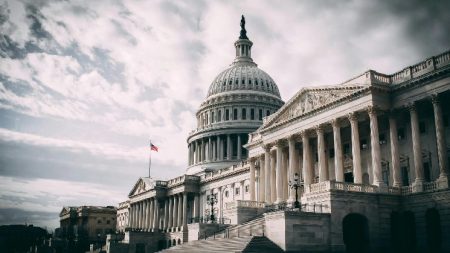
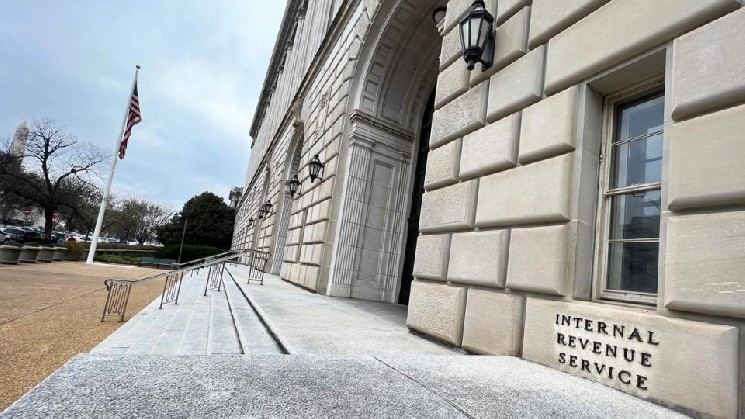
Against the backdrop of a rapidly evolving digital economy, the United States House Ways and Means Committee is preparing to convene a highly anticipated hearing on June 9 to deliberate on a newly circulated package of seven distinct crypto tax bills. This coordinated legislative push represents a major shift in how Washington views digital assets, moving away from fragmented, enforcement-heavy oversight toward a comprehensive structure designed to foster compliance and technological innovation. For years, domestic market participants, retail investors, and blockchain developers have complained about the Internal Revenue Service’s (IRS) outdated tax guidelines, which have largely relied on a decade-old framework that treats virtual currencies strictly as property, leading to administrative hurdles and double-taxation dilemmas. The upcoming committee discussions represent a critical attempt to modernize the tax code, offering a series of highly targeted legislative drafts that address specific friction points within the digital asset ecosystem rather than seeking an all-encompassing, heavy-handed regulatory overhaul. By dissecting complex issues such as network fees, staking protocols, and micro-transactions, lawmakers are acknowledging that the unique architectures of public blockchains require a nuanced tax approach that reflects how these decentralized networks function. As the tax-writing committee prepares to examine these proposals, the crypto industry stands at a threshold, hoping this marks the beginning of an era characterized by regulatory clarity, systemic fairness, and legislative predictability.
Inside the Seven Legislative Drafts: Dismantling the Complexity of Micro-Transactions and Staking
At the heart of this legislative package is an effort to remove the tax friction that currently discourages everyday consumers from using digital assets for peer-to-peer commerce and regular financial transactions. Under existing U.S. tax laws, every single transaction involving a cryptocurrency—whether it is purchasing a cup of coffee with Bitcoin or paying network gas fees to execute a smart contract—is treated as a taxable event, requiring the sender to calculate capital gains or losses based on the asset’s cost basis at the exact moment of the transaction. To solve this paperwork nightmare, one of the primary bills proposes a de minimis tax exemption, which would eliminate tax requirements on small, routine transactions and stablecoin activities under a specific financial threshold, effectively allowing digital assets to function as viable mediums of exchange without triggering complex obligations. Additionally, the legislative drafts target the controversial taxation of crypto mining and staking rewards, offering relief to a sector that has long argued it is hindered by unfair double taxation. Currently, under a strict interpretation of IRS guidance, proof-of-work miners and proof-of-stake validators are hit with income tax obligations the moment new tokens are created or earned, only to face capital gains taxes again when those same assets are sold on the open market. By restructuring this dynamic, the new proposals aim to delay the tax burden until the point of sale, treating newly minted tokens similarly to agricultural crops or manufactured goods, which are only taxed when they are brought to market and sold, rather than at the moment of harvest or production.
Aligning Crypto with Legacy Finance: Wash Sales, Securities Parallelism, and Charitable Giving
Beyond the daily realities of staking and micro-transactions, the legislative package seeks to bridge the gap between traditional finance and decentralized markets by introducing structural reforms that align crypto with established securities regulations. One of the draft bills aims to apply the traditional “wash sale” rules to digital assets, closing a loophole that has long allowed crypto traders to sell depreciated tokens to harvest tax losses and immediately repurchase them without waiting the 30-day period required of stock and bond investors. While this change would remove a popular tax-loss harvesting strategy for retail investors, proponents argue that applying the wash sale rule to crypto is a necessary step toward gaining broad institutional credibility and systemic integration with the wider financial markets. Simultaneously, other draft provisions seek to unify the treatment of virtual assets with traditional securities under the broader tax code, which would streamline compliance for digital asset custodians, brokerages, and algorithmic trading desks navigating conflicting state and federal rules. The legislative drafts also address the philanthropic sector by proposing the elimination of the complex and expensive appraisal requirements currently mandated for taxpayers who donate digital assets to charitable organizations. Under current rules, donating virtual assets worth more than $5,000 requires hiring a qualified physical appraiser—a requirement designed for fine art and real estate that makes little sense for liquid, publicly traded crypto assets and often deters wealthy donors from supporting non-profit organizations with their digital wealth.
Industry Voices Rally Behind the Push for Legislative Symmetry and Fairness
The arrival of these legislative drafts has been greeted with enthusiasm by trade groups, compliance experts, and policy advocates who have spent years lobbying Capitol Hill for sensible crypto tax reform. Highlighting the industry’s optimism, Cody Carbone, the Chief Executive Officer of the Digital Chamber, released a statement welcoming the upcoming House Ways and Means Committee hearing, framing it as a crucial platform to refine the proposals and maintain bipartisan momentum for the policy effort. Carbone emphasized that his organization is committed to working closely with the committee to refine these drafts, with the ultimate goal of delivering the tax clarity and fairness that digital assets deserve to remain competitive on the global stage. This unified industry response highlights a broader strategic shift among digital asset lobbyists in Washington; while previous efforts were largely defensive maneuvers aimed at fighting off aggressive regulatory actions from the Securities and Exchange Commission (SEC), the focus has now shifted to proactive, collaborative policy-making. Industry insiders point out that tax policy is the ultimate test of regulatory legitimacy, as establishing clear, sensible tax codes recognizes the long-term viability of the asset class. By engaging constructively with Capitol Hill lawmakers, advocacy groups like the Digital Chamber hope to establish a fair tax code that protects consumers while encouraging domestic Web3 enterprises to build their platforms inside the United States, rather than fleeing to more cooperative jurisdictions abroad.
The Road Already Traveled: Historical Friction and the Legacy of Congressional Crusades
While these late-stage House bills represent a fresh policy push, they do not exist in a vacuum; instead, they build on years of legislative efforts by a handful of congressional champions who have repeatedly tried to bring clarity to the digital asset space. Most notably, Senator Cynthia Lummis, a Wyoming Republican who chairs the Senate Banking Committee’s digital assets subcommittee, alongside Senator Kirsten Gillibrand, a New York Democrat, has repeatedly introduced comprehensive legislative packages aimed at defining the boundaries of digital asset regulations. Senator Lummis has focused on resolving the debate over what constitutes a taxable gain, seeking to pass laws that would exempt small transactions and standardize the treatment of decentralized finance (DeFi) protocols and staking infrastructure. However, these ambitious, broad-scale legislative packages have faced steep resistance in a deeply divided Congress, evidenced by Lummis’s unsuccessful attempt last year to attach her bipartisan crypto tax proposals to the massive, highly contested spending package known in Washington circles as the “One Big Beautiful Bill.” These past setbacks highlight the immense difficulty of passing large-scale, standalone crypto legislation in a highly polarized environment, which explains why the House Ways and Means Committee is now opting for a decentralized strategy, utilizing seven narrowly focused, single-issue bills designed to build consensus on specific, non-partisan tax issues.
Navigating the Congressional Calendar: Strategic Outlets for Late-Stage Legislative Vehicles
As the draft bills make their debut before the House Ways and Means Committee, they face a challenging legislative path due to their late introduction in the current congressional session. With general elections on the horizon and limited calendar days left for standard legislative debates, political analysts agree that the chances of these seven proposals passing the House and Senate as standalone pieces of legislation are relatively low. However, veteran Washington lobbyists recognize that the true power of these targeted, bipartisan bills lies in their potential to be attached as policy riders or amendments to larger, “must-pass” legislative vehicles that Congress must approve before the end of the fiscal year. Whether packaged into end-of-year government funding packages, critical defense authorization bills, or broader economic competitiveness packages, these pre-vetted, consensus-driven crypto tax provisions are highly attractive additions for lawmakers looking for bipartisan wins. If committee members can successfully refine these bills during the June 9 hearing and secure strong bipartisan support, they will equip congressional leaders with ready-to-use policy templates that can be integrated into larger legislative packages at a moment’s notice. Ultimately, this hearing is less about immediate final passage and more about building the legislative foundation for the future, ensuring that when the next major tax reform package is negotiated, modern digital asset rules will be ready for implementation.