





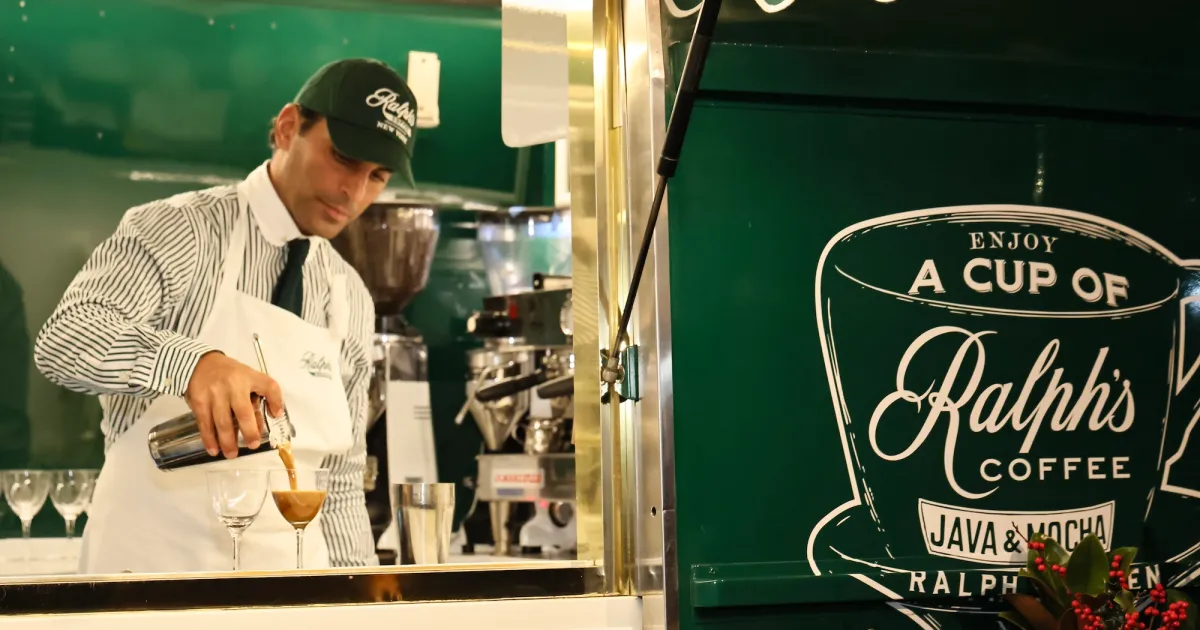
You step off the bustling sidewalk and into a high-end fashion boutique, expecting to be greeted by the familiar, slightly sterile atmosphere of polished glass, leather goods, and minimalist clothing racks. Instead, your senses are immediately met with the rich, comforting aroma of freshly roasted espresso beans and steam-frothed milk. This sensory surprise is not a temporary promotional gimmick or a quirky, localized experiment; it is a highly calculated, rapidly expanding retail strategy designed to fundamentally reshape how we experience modern commerce. Across the retail landscape, brands ranging from heritage luxury labels like Ralph Lauren and Coach to Japanese casual-wear giant Uniqlo are actively tearing down the walls between retail and hospitality. By integrating fully functional, beautifully designed coffee bars directly into their retail footprints, these companies are successfully courting younger, experience-hungry demographics like Generation Z. They are intentionally blurring the lines between a traditional shopping destination and a cozy neighborhood hangout, proving that in a highly digitized world, the fastest way to a consumer’s heart—and wallet—is through a warm, welcoming, and beautifully curated physical experience.
While this sudden surge of espresso machines next to designer handbags feels like a modern phenomenon, the structural blueprint of this strategy was quietly laid down decades ago by visionary mass-market retailers. Back in 1999, Target initiated a monumental partnership with Starbucks, eventually pledging to place an in-store Starbucks café inside virtually every new location they opened across the United States. What Target pioneered on a mass scale, luxury and specialty retailers are now refining into a sophisticated, data-backed art form. Today’s commercial real estate decisions are heavily guided by concrete numbers that prove the financial viability of these warm, cozy spaces. Retail analytics show a direct, mathematical relationship between the time a customer spends inside a store and the amount of money they ultimately spend at the register. Industry research reveals that a mere one percent increase in customer dwell time correlates to a 1.3 percent lift in total sales. Furthermore, comprehensive studies by consulting firm McKinsey demonstrate that improving the overall hands-on customer experience can boost brand revenues by up to seven percent while driving overall shareholder returns up by as much as ten percent.
To understand why this strategy is so incredibly effective, we have to look past the spreadsheets and examine the human psychology of the modern consumer, especially the younger generation. For many retail enthusiasts, purchasing a premium leather handbag, a tailored winter coat, or a designer blazer is an infrequent, highly planned financial investment that they cannot justify making on a regular basis. A beautifully crafted six-dollar specialty latte, however, serves as an incredibly accessible, low-barrier entry point to these aspirational luxury lifestyles. As Marcus Sanders, Coach’s Vice President of Global Food and Beverage, astorishly points out, these in-house cafés give consumers a brilliant excuse to visit and engage with the brand on a weekly, or even daily, basis without experiencing buyer’s remorse. According to Joe Pine, the pioneering co-author of The Experience Economy, coffee bars are the ultimate vehicle for experiential retail because they effortlessly engage all five human senses at once. In an era where any physical product can be ordered online in a single click, physical storefronts must offer something the internet simply cannot replicate: a tactile, fragrant, and social sanctuary that transforms a basic transaction into a memorable personal ritual.
As we look toward the next twelve to twenty-four months, this caffeinated retail revolution is poised to break out of elite global flagships and expand into secondary regional markets and suburban lifestyle hubs. Ralph Lauren’s iconic Ralph’s Coffee, which initially established its footprint in major metropolitan hubs like New York and Chicago, has already begun planting roots in thriving regional markets like Boston’s Seaport. Meanwhile, Coach’s rapid rollout of its custom coffee shops and Uniqlo’s introduction of its first U.S. coffee bar in its Fifth Avenue flagship are clear indicators that these brands view hospitality as a permanent pillar of their growth strategies, rather than a fleeting trend. For regular shoppers, this geographic expansion means that local brick-and-mortar stores will increasingly feel like community community hubs. When a favorite brand announces a new café opening in your area, you can expect the launch to be accompanied by highly exclusive, location-specific merchandise drops, unique seasonal menu items, and early-access events for loyal brand followers, making the retail floor feel alive and constantly evolving.
While premier luxury houses will continue to build and manage their own bespoke food and beverage operations, mid-tier and department-store retailers who lack the resources to build a coffee program from scratch will increasingly adopt the licensed, collaborative partnership model. We are highly likely to see an influx of creative “shop-in-shop” agreements, where popular local coffee roasters and boutique beverage brands set up counters inside apparel, athletic, and home-goods stores to immediately elevate the physical space. However, beneath the charming aesthetic of these in-store cafés lies a highly sophisticated digital ecosystem designed to capture valuable consumer data. Every single time you order a cold brew, scan a mobile app to earn points, or log onto the café’s guest Wi-Fi, you are participating in a highly valuable, low-friction exchange of information. Retailers who historically only interacted with you once or twice a year can now track your habits, visit frequencies, and lifestyle preferences multiple times a week. This continuous stream of real-time data fundamentally reshapes how these corporations design their loyalty programs, manage their localized inventories, and target their digital marketing campaigns.
Ultimately, the cozy integration of artisanal coffee shops into our favorite retail stores is a beautiful, highly engaging evolution of physical shopping that highlights our deep human desire for connection, comfort, and sensory delight in an increasingly digital age. It proves that despite the undeniable convenience of e-commerce, we still want to go outside, explore beautiful physical spaces, and share moments of leisure with others. If you find yourself frequently drawn to these warm, espresso-scented retail spaces, you are the exact customer this modern hospitality strategy was built to inspire. As a modern shopper, you have the exciting opportunity to embrace these hybrid spaces as vibrant community hangouts, enjoying the high-quality coffee and exclusive brand experiences they offer. However, it is equally important to step up to these counters with a sense of mindful consumer awareness. By understanding the clever mechanics of dwell time, recognizing the subtle value of the digital footprint you share in exchange for rewards, and appreciating the creative marketing engines humming behind the espresso machines, you can fully enjoy the best of both worlds—savoring a perfect cup of coffee while remaining firmly in control of your shopping experience.