






The Architecture of Economic Fragility: Why Ray Dalio is Urging Investors to Pivot Toward ‘Hard Money’ Safe Havens
The Brewing Tempest: Ray Dalio’s Warning on the AI-Driven Market Bubble
  ___          ___          ___          ___          ___
 /          /          /          /          /
/::        /::        /::        /::        /::
/:/: /:/: /:/: /:/: /:/:
/::~: /::~: /::~: /::~: /::~:
/:/: :_/:/: :_/:/: :_/:/: :_/:/: :__
/:/:/ //:/:/ //:/:/ //:/:/ //:/:/ /
::/ / ::/ / ::/ / ::/ / ::/ /
/:/ / /:/ / /:/ / /:/ / /:/ /
/:/ / /:/ / /:/ / /:/ / /:/ /
// // // // //
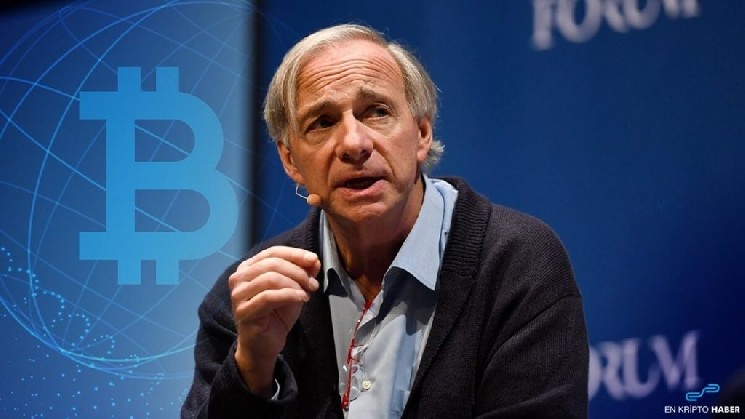
Ray Dalio, the billionaire macroeconomic visionary and founder of Bridgewater Associates—the world’s largest and most influential hedge fund—has long occupied a unique position as Wall Street’s pragmatic sentinel. Renowned globally for his uncanny ability to decipher complex economic cycles and accurately forecast the devastating 2008 global financial crisis, Dalio is once again sounding a loud, analytical alarm across the international financial landscape. His latest warnings focus on a speculative fever that has gripped global markets: the rapidly inflating bubble surrounding artificial intelligence (AI). While acknowledging the transformative power of generative AI and associated technologies, Dalio observes that market valuations have detached from tangible, near-term economic productivity, mirroring historical speculative mania where hype far outpaces fundamental cash flows. This technological exuberance, in his view, is distorting asset prices and creating a fragile veneer of prosperity that masks deep-seated, structural vulnerabilities within the global financial architecture. For Dalio, this AI-centric market distortion is not merely a localized tech-sector issue but a volatile catalyst that could accelerate a broader, highly disruptive correction, leaving over-leveraged and under-diversified portfolios dangerously exposed when the speculative tide eventually recedes.
The Trifecta of Systemic Risk: Debt, Inequality, and Geopolitical Fracture
=================================================================
THE TRIAD OF SYSTEMIC MACROECONOMIC VULNERABILITY
[ Sovereign Debt Crisis ] —> [ Wealth & Income Inequality ] —> [ Geopolitical Fractures ]
- Central Bank Printing Social Fragmentation De-dollarization
-
Fiat Devaluation Populist Movements Multipolar Alignments
Behind the stock market’s glossy facade lies a dangerous macroeconomic triad that Dalio believes poses an existential threat to the current global economic order: unprecedented sovereign debt levels, widening wealth and income inequality, and escalating geopolitical tensions. Decades of aggressive monetary easing and continuous fiat currency creation by major central banks have inflated asset prices while progressively eroding the purchasing power of paper money. This relentless fiscal expansion has created a global economy highly dependent on cheap liquidity, leaving governments with little margin for error as they navigate high debt-to-GDP ratios. This monetary expansion has also fueled severe domestic wealth gaps, creating deep socio-economic divisions that undermine the institutional stability of Western democracies and drive polarization. On the international stage, these internal stresses are compounded by fracturing geopolitical alliances, as major powers compete for resource security, technological dominance, and currency influence. Dalio warns that this combination of high debt, social instability, and geopolitical rivalry historically mirrors the late stages of long-term debt cycles, a phase where established financial systems are highly vulnerable to sudden, compounding shocks that can spark rapid currency devaluations and reshape the global balance of power.
Reclaiming Wealth Preservation: The Imperative of “Hard Money” Assets
┌───────────────────────────────────────────────────────────────┐
│ DALIO’S RECOMMENDED ASSET ALLOCATION │
├───────────────────────────────┬───────────────────────────────┤
│ “HARD MONEY” ASSETS │ OTHER ASSET CLASSES │
│ (5% – 15%) │ (85% – 95%) │
│ [Physical Gold] [Bitcoin] │ [Equities] [Bonds] [Real Est]│
└───────────────────────────────┴───────────────────────────────┘
Faced with the long-term devaluation of fiat currencies, Dalio argues that capital preservation requires a fundamental shift toward “solid money” or “hard money” assets—currencies and stores of value that cannot be printed or expanded at will by central banks. When monetary authorities respond to crises by expanding their balance sheets, they dilute the value of circulating currency, functioning as a hidden tax on cash savings. To combat this erosion, Dalio recommends that prudent investors allocate between 5% and 15% of their total investment portfolios to non-printable, scarce assets designed to survive systemic shocks and high inflation. Practicing this disciplined approach himself, Dalio has integrated these principles into his own financial strategy, revealing that he holds approximately 1% of his personal investment portfolio in Bitcoin. While this single-digit allocation is modest compared to his traditional holdings, it represents a significant, pragmatic validation of digital scarcity from one of the world’s most conservative and analytical macro-investors, signaling that even institutional portfolios should carry some exposure to decentralized, non-sovereign assets as a hedge against systemic monetary decay.
The Ancient Safe Haven: Why Physical Gold Triumphs Over Digital Bitcoin
┌───────────────────────────────────────────────────────────────┐
│ GOLD VS. BITCOIN COMPARISON │
├───────────────────────────────┬───────────────────────────────┤
│ PHYSICAL GOLD │ BITCOIN │
├───────────────────────────────┼───────────────────────────────┤
│ 5,000+ Year Track Record │ Less than Two Decades Old │
│ Zero Counterparty Risk │ High Price Volatility │
│ Held by Central Banks │ Regulatory Uncertainty │
│ Universally Accepted Tangible│ Purely Digital Infrastructure│
└───────────────────────────────┴───────────────────────────────┘
Despite acknowledging Bitcoin’s role as a digital alternative to fiat currency, Dalio maintains a clear preference for physical gold as the premier safe-haven asset for wealth preservation during systemic crises. Gold’s unique status is backed by over five thousand years of monetary history, serving as an undisputed store of value through the rise and fall of countless empires, monetary systems, and economic paradigms. Unlike digital or paper assets, physical gold carries no counterparty risk, cannot be erased by localized power failures, and is not the liability of any single corporate or sovereign entity. Central banks worldwide continue to hold massive gold reserves as a primary tier-one asset, recognizing its stabilizing role in international trade and currency backing. In contrast, Bitcoin is a relatively young asset class that has not yet been tested by a prolonged, multi-decade economic depression or a major global conflict. For Dalio, while Bitcoin represents a modern, technological attempt to capture the benefits of monetary scarcity, gold remains the ultimate tangible anchor, offering a time-tested resilience that digital assets simply cannot match.
The Existential Threats: Regulatory Walls and Technological Cracks in the Crypto Armor
                   ┌────────────────────────┐
                   │ BITCOIN SYSTEMIC RISKS │
                   └───────────┬────────────┘
                               │
     ┌─────────────────────────┼─────────────────────────┐
     ▼                         ▼                         ▼
┌──────────────┐ ┌──────────────┐ ┌──────────────┐
│ Sovereign │ │ Regulatory │ │ Technological│
│ Intervention │ │ Restriction │ │ Vulnerability│
│ (Tax/Control)│ │ (KYC/AML) │ │ (Quantum) │
└──────────────┘ └──────────────┘ └──────────────┘
Dalio’s cautious approach to cryptocurrencies is based on a realistic assessment of their systemic risks, particularly regarding sovereign regulation, technological vulnerabilities, and the pushback from global monetary authorities. He stresses that sovereign governments wield immense legal and financial power to tax, heavily restrict, or outright ban digital assets if they begin to compete with national fiat currencies or threaten state-controlled monetary policy. Because central banks demand strict control over monetary supply and financial transparency, Dalio argues they are highly unlikely to adopt Bitcoin as a major reserve currency due to concerns over privacy, traceability, and state authority. Furthermore, the rapid evolution of emerging technologies, such as quantum computing, presents a future risk to the cryptographic frameworks that protect blockchain networks, potentially exposing decentralized ledger systems to security breaches. Combined with ongoing regulatory crackdowns on transaction privacy and the vulnerability of digital platforms to targeted cyberattacks, these factors create a level of risk that prevents Bitcoin from matching the low-risk profile of traditional physical safe havens.
Engineering the Modern All-Weather Strategy: Achieving Balance in an Era of Paradigm Shifts
            ┌──────────────────────────────────────┐
            │     THE ALL-WEATHER PORTFOLIO        │
            └──────────────────┬───────────────────┘
     ┌───────────┬─────────────┼─────────────┬───────────┐
     ▼           ▼             ▼             ▼           ▼
┌─────────┐ ┌─────────┐   ┌─────────┐   ┌─────────┐ ┌─────────┐
│ Equities│ │  Bonds  │   │Real Est.│   │  Gold   │ │ Bitcoin │
│ (Growth)│ │(Deflate)│   │(Tangibl)│   │ (Hedge) │ │ (Spec)  │
└─────────┘ └─────────┘   └─────────┘   └─────────┘ └─────────┘
Dalio’s broad investment philosophy shows that surviving an unstable financial era requires disciplined diversification rather than speculative bets on any single asset. Instead of trying to time market cycles or relying solely on gold or Bitcoin, he advises investors to construct a balanced, “all-weather” portfolio designed to perform well across different economic environments. This strategy means spreading risk across equities, fixed-income bonds, tangible real estate, physical gold, and a small, managed portion of digital assets. By balancing these different asset classes, investors can protect their purchasing power from inflation, preserve capital during sovereign debt crises, and still participate in technological growth without being exposed to severe market crashes. In a global economy defined by high national debt, rising inflation, and shifting geopolitical power, this structured, multi-dimensional approach remains a highly reliable blueprint for preserving long-term wealth.
Disclaimer: This article is for informational and educational purposes only and does not constitute financial, investment, or legal advice.