






The Banking Vanguard: Standard Chartered’s Acquisition of Zodia Custody Signals a New Era of Institutional Digital Asset Integration
Paragraph 1: The Institutional Imperative and the Architectural Validation of Crypto Custody
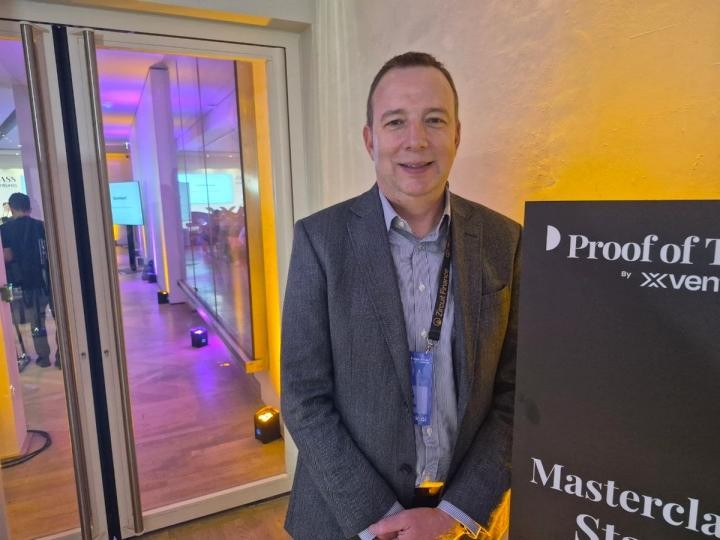
Standard Chartered’s impending full acquisition of Zodia Custody marks a critical turning point in the institutionalization of the digital asset economy, serving as undeniable proof that legacy financial juggernauts can no longer dismiss blockchain infrastructure. Historically, traditional tier-one banks operated under the assumption that proprietary, internal software development teams could eventually construct secure, institutional-grade mechanisms for holding cryptographic keys in-house. However, as Julian Sawyer, the Chief Executive Officer of Zodia Custody, recently observed, this ambition has collided with the harsh realities of cryptographic security, system compatibility, and operational risk. Sawyer described the acquisition not merely as a corporate transaction, but as a “major validation” of a broader financial truth: legacy networks lack both the agility and the specific structural frameworks needed to build secure digital asset custody platforms independently from scratch. For mainstream financial institutions, attempting to write native custody code without specialized, pre-existing software stacks introduces unacceptable vulnerabilities, including high capital expenditure and regulatory delays. Standard Chartered’s decision to buy, rather than build, demonstrates that the industry has entered a phase of consolidation where established bank-grade software providers are the essential foundation for any institution hoping to survive the digital revolution. This pivot marks the end of speculative isolation for the digital asset space, forcing a paradigm shift that integrates decentralized innovation directly into the core architecture of international banking.
              ┌──────────────────────────────┐
              │  Standard Chartered Group    │
              └──────────────┬───────────────┘
                             │
                 [ Acquired Operations ]
                             │
 ┌───────────────────────────┼───────────────────────────┐
 ▼                           ▼                           ▼
┌──────────────┐ ┌──────────────┐ ┌──────────────┐
│ Luxembourg │ │ Dubai │ │ Hong Kong │
│ Operations │ │ Operations │ │ Operations │
└──────┬───────┘ └──────┬───────┘ └──────┬───────┘
└─────────────────────────┼────────────────────────────┘
▼
┌───────────────────────┐
│ Folded Under Unified │
│ Standard Chartered │
│ Master Brand │
└───────────────────────┘
Paragraph 2: The Evolution of Value—From Speculative Crypto Assets to Institutional Infrastructure
This acquisition highlights a deeper, more systemic shifting of the tides: the transition of digital ledger technology away from speculative cryptocurrency retail trading and toward mainstream, real-world utility. Sawyer argues that the digital asset industry has reached a crucial maturity point, where the primary focus is transitioning from raw crypto speculation to more practical applications like real-world asset (RWA) tokenization and stablecoin payment systems. As sovereign debt, corporate bonds, real estate, and private equity are increasingly recorded on public and private blockchains, the financial sector requires a secure foundation to hold and settle these complex tokenized representation layers. This evolution requires absolute trust—a market commodity that traditional banks, with their centuries-old reputations, robust balance sheets, and established histories of risk management, are uniquely positioned to offer. The integration of stablecoins into cross-border B2B settlement pipelines further demands a level of operational security, settlement speed, and compliance that early crypto platforms simply cannot guarantee. Consequently, global banks are moving quickly to acquire specialized entities like Zodia to capture market share, gain immediate scale, and secure enterprise-grade systems capable of safely supporting the tokenized global economy of tomorrow.
TRADITIONAL CRYPTO ERA INSTITUTIONAL UTILITY ERA┌─────────────────────────────────┐ ┌──────────────────────────────────┐
│ • Retail-driven speculation │ │ • Real-World Asset Tokenization │
│ • Independent native startups │ ───► │ • Stablecoin & B2B Payments │
│ • Isolated offshore protocols │ │ • Bank-grade Custody Platforms │
│ • Self-custody & high-risk hot │ │ • Strict KYC/AML & Compliance │
└─────────────────────────────────┘ └──────────────────────────────────┘
Paragraph 3: Inside the Standard Chartered Deal—Timelines, Valuations, and Corporate Restructuring
The technical details of Standard Chartered’s acquisition showcase a highly calculated corporate restructuring strategy aimed at maximizing operating efficiencies and capturing global market share. According to Sawyer, the transaction is on track to target a formal signing by the end of June, with full regulatory approval and final closing expected by the end of August. While Zodia has declined to explicitly disclose the final purchase price or valuation, the firm’s financial trajectory points to a highly valuable enterprise. In 2023, Zodia secured a $36 million Series A funding round led by Japanese financial giant SBI Holdings, bringing its total capital raised to approximately $46 million, alongside estimated annual software and custody revenues of roughly $34.6 million. Once finalized, the acquisition will prompt a significant restructuring: Standard Chartered’s licensed digital custody units in Dubai, Luxembourg, and Hong Kong will merge into a single entity under the bank’s primary brand, eventually phasing out the Zodia Custody name. Concurrently, a separate corporate spin-off called Zodia Solutions will be established to focus solely on selling digital asset software and custody infrastructure to third-party clients. This software spin-off will remain backed by a strong coalition of global banking shareholders, including Northern Trust, Emirates NBD, and National Australia Bank (NAB), ensuring that the underlying technology continues to expand across diverse regions and financial ecosystems.
                    ┌───────────────────────────────┐
                    │        Zodia Custody          │
                    │    (Annual Rev: ~$34.6M)      │
                    └───────────────┬───────────────┘
                                    │
       ┌────────────────────────────┴────────────────────────────┐
       ▼                                                         ▼
┌─────────────────────────────────┐ ┌─────────────────────────────────┐
│ Custody Operations Arm │ │ Technology & Software Arm │
│ (Dubai, Luxembourg, HK Assets) │ │ (Enterprise Platform Engine)│
├─────────────────────────────────┤ ├─────────────────────────────────┤
│ • Merged directly into parent │ │ • Spun off as “Zodia Solutions” │
│ Standard Chartered brand │ │ • Backed by Northern Trust, │
│ • Operational goal: Scaled bank │ │ Emirates NBD, & National │
│ clearing & asset safekeeping │ │ Australia Bank (NAB) │
└─────────────────────────────────┘ └─────────────────────────────────┘
Paragraph 4: Solving the Build-vs-Buy Dilemma in Modern FinTech Portfolio Management
Standard Chartered’s move highlights a growing strategic challenge for digital asset portfolio managers and executive committees worldwide: the “build-versus-buy” dilemma in modern financial technology. The specialized software required for institutional digital custody is incredibly complex, demanding advanced multi-party computation (MPC) cryptography, hardware security modules (HSMs), real-time compliance monitoring, and instant settlement capabilities. If a traditional bank attempts to build these systems internally, they must integrate legacy COBOL-based mainframes with decentralized protocols. This process is often slow, highly expensive, and prone to extreme operational risks. As Sawyer notes, every bank in the world will soon need a strategy for holding, clearing, and settling digital assets, making infrastructure the defining battleground of the next decade. By acquiring an established, battle-tested platform like Zodia, Standard Chartered sidesteps years of development delays and regulatory friction. This acquisition sets a clear precedent for other financial giants: instead of risking capital on unproven internal engineering projects, the fastest and safest route to market is acquiring specialized teams that have already spent years refining their technologies under strict regulatory oversight.
TRADITIONAL “BUILD” APPROACH STRATEGIC “BUY” OUTCOME (ZODIA)
┌─────────────────────────────────┐ ┌──────────────────────────────────┐
│ ❌ High R&D capital expenditure │ │ Proven MPC & HSM tech stack │
│ ❌ Legacy IT integration risk │ ───► │ Immediate regulatory licensing │
│ ❌ Multi-year time-to-market │ │ Immediate global scaling │
│ ❌ Regulatory approval delays │ │ Immediate tier-one bank trust │
└─────────────────────────────────┘ └──────────────────────────────────┘
Paragraph 5: Navigating Global Regulatory Turf Wars and Capital Flight
This corporate consolidation is playing out against a backdrop of intensifying geographical competition, as major financial centers race to establish clear regulatory frameworks for digital assets. When evaluating the United Kingdom’s goal of becoming a global digital asset hub, Sawyer pointed to the friction within the British regulatory system, where the Bank of England, His Majesty’s Treasury, and the Financial Conduct Authority (FCA) have sometimes struggled to coordinate. While the UK was once pioneering in fintech regulation, its pace has slowed, allowing other regions to capture market share. For instance, European regulators are implementing the Markets in Crypto-Assets (MiCA) framework, while jurisdictions in Asia and the Middle East are moving even faster. Sawyer highlighted the significant progress made in Singapore, Hong Kong, and Abu Dhabi, where regulators have introduced clear, transparent licensing rules for digital asset custody. These forward-thinking frameworks have attracted significant capital and enterprise talent away from Western hubs. This shift underscores a broader lesson for global regulators: in a digital ecosystem, capital and technology are highly mobile. Jurisdictions that prioritize regulatory clarity over bureaucracy will inevitably attract the next generation of financial infrastructure and institutional investment.
- United Kingdom Friction: Fragmented cross-jurisdictional collaboration between the Bank of England, HM Treasury, and the FCA has delayed the implementation of cohesive legislative frameworks, causing some institutional operators to look elsewhere.
- Asian Regulatory Progress: Highly structured, single-point jurisdictions such as Singapore (MAS) and Hong Kong (SFC) have introduced unambiguous licensing rules, offering clear guidelines for custodians.
- Middle Eastern Innovation Hubs: Regulatory authorities in Abu Dhabi (ADGM) and Dubai (VARA) have built tailored policies specifically for digital assets, offering a welcoming environment for global banks.
- Strategic Imperative: Regulators must continue to evolve alongside market participants, or risk losing their positioning to more agile global financial capitals.
Paragraph 6: The Long-Term Convergence of Traditional Banking and Cryptographic Systems
Ultimately, Standard Chartered’s acquisition of Zodia is not an isolated event, but part of a wider convergence where the digital asset industry and traditional banking are merging. While early crypto pioneers envisioned a decentralized financial ecosystem entirely free from traditional banks, the reality of operating at scale has driven a return to structure and compliance. As Sawyer notes, the crypto industry is naturally moving toward traditional banking standards, driven by global Know Your Customer (KYC), Anti-Money Laundering (AML), and counter-terrorist financing (CTF) rules. This convergence is not a hostile takeover by Wall Street, but rather a mature evolution. By combining the transparency and efficiency of blockchain technology with the compliance and trust of legacy banking, this merger creates a more resilient financial system. This development signals a future where the distinction between “traditional finance” and “digital assets” disappears, leaving a single, unified financial infrastructure that is both secure and globally connected.
DECENTRALIZED CRYPTO TRADITIONAL BANKING┌──────────────────────────────┐ ┌──────────────────────────────┐
│ • Rapid, on-chain execution │ │ • Deep capital reserves │
│ • Programmable smart contracts│ │ • Established compliance │
│ • Global 24/7 liquidity │ │ • Multi-jurisdictional trust │
└──────────────┬───────────────┘ └──────────────┬───────────────┘
│ │
└─────────────────────┬─────────────────────┘
│
▼
┌───────────────────────────┐
│ CONVERGED FUTURE STATE │
├───────────────────────────┤
│ • Institutional Security │
│ • Automated Compliance │
│ • Tokenized Global Assets │
│ • Unified Infrastructure │
└───────────────────────────┘