


At just thirty-six years old, Wang Xingxing represents a new breed of global technology magnates—visionaries who have spent their formative years translating the speculative, high-concept dreams of classic science fiction into tangible, metal-and-silicon realities. As the founder, chief executive, and pioneering chief technology officer of Unitree Robotics, Wang has recently scaled the absolute heights of the global wealth ladder, amassing an extraordinary personal fortune estimated at $2.4 billion. This dramatic rise in personal net worth comes at a highly anticipated, make-or-break moment for both the young mogul and his Hangzhou-based enterprise, as Unitree aggressively prepares for a landmark initial public offering on the Shanghai stock exchange. The ambitious listing seeks to raise a staggering 6.1 billion yuan (approximately $904 million) by offering 40.4 million shares priced at 150.8 yuan each, a monumental financial move designed to test the depth of public investor enthusiasm for a company that has practically become synonymous with China’s explosive humanoid robotics boom. According to the company’s official prospectus, the vast capital generated from this public debut will be funneled directly into cutting-edge research, fueling the intensive product development required to pioneer next-generation physical designs and refining the incredibly complex artificial intelligence algorithms that allow these machines to safely navigate, comprehend, and interact with our messy physical world. For Wang, this listing is far more than a milestone of immense personal wealth or corporate validation; it is a critical, high-stakes stepping stone toward realizing his ultimate dream of integrating intelligent, autonomous machines into the daily, domestic, and industrial fabric of human civilization, proving to a skeptical market that the age of human-robot coexistence is no longer a distant fantasy, but an imminent reality.
The journey to this multi-billion-dollar valuation began in 2016, amidst the bustling, hyper-competitive hardware ecosystems of southern China. Wang made the courageous, high-risk decision to walk away from his comfortable position at the world-renowned drone pioneer DJI, choosing instead to chart an unproven path in ground-based robotics. While drones had mastered the air, Wang was deeply fascinated by the unresolved physical challenge of the ground—how to build machines that could traverse rugged terrain with the kinetic grace, stability, and adaptive intelligence of biological creatures. He founded Unitree with a humble but radical mission: to democratize legged locomotion. Over the subsequent decade, the company systematically shattered industry expectations, developing more than a dozen distinct models that progressed from agile, four-legged robotic companions to highly sophisticated, upright bipedal humanoids. However, nothing captured the global public’s imagination quite like the dramatic unveiling of the GD01 earlier this year—a colossal, transformable mechanical titan standing over three meters tall, boasting a fully operational, integrated cockpit engineered to carry a living human pilot. Retailing at an premium price starting from $650,000, this breathtaking machine was presented in official regulatory filings not as an eccentric novelty, but as a robust, industrial-grade tool specifically built to adapt to highly complex, dangerous, and unpredictable environments where conventional wheels and tracks simply fail. By seamlessly bridging the gap between childhood dreams of piloting science-fiction mechs and the stark, practical demands of heavy-duty disaster response and industrial maintenance, Wang demonstrated a rare, dual capability: the wild, creative audacity to capture human wonder, backed by the rigorous engineering discipline required to deliver a functional, highly sophisticated commercial product.
Unitree’s transition from a darling of tech enthusiasts to a celebrated national champion of strategic innovation was permanently solidified in early 2025 during a profound political and cultural watershed moment. Wang was invited to an exclusive, closed-door summit with Chinese leader Xi Jinping, standing shoulder-to-shoulder with iconic veterans of Chinese industry, including Alibaba’s legendary co-founder Jack Ma and the pioneering force behind DeepSeek, Liang Wenfeng. Against the tense backdrop of an escalating, high-stakes technology cold war with the United States, Beijing formally called upon these innovators to break new ground in core technological capabilities, positioning robotics as a critical pillar of national strength and self-reliance. This high-level political endorsement quickly translated into an unforgettable cultural debut during China’s historic 2025 Spring Festival Gala, a broadcast watched by hundreds of millions of families across the nation. On one of the world’s largest television stages, Unitree’s advanced humanoid creations performed side-by-side with human artists, flawlessly walking, running, and executing complex traditional martial arts movements with an uncanny, fluid precision that captivated the public. This massive cultural showcase did something extraordinary: it stripped away the lingering societal anxiety surrounding artificial intelligence and automation, replacing fear with a sense of wonder, warmth, and national pride. By showing that these highly advanced bipedal machines could participate in beloved cultural traditions, Unitree successfully humanized a complex technological revolution, transforming what could have been perceived as cold, job-displacing machinery into a familiar, endearing symbol of a prosperous and technologically triumphant future.
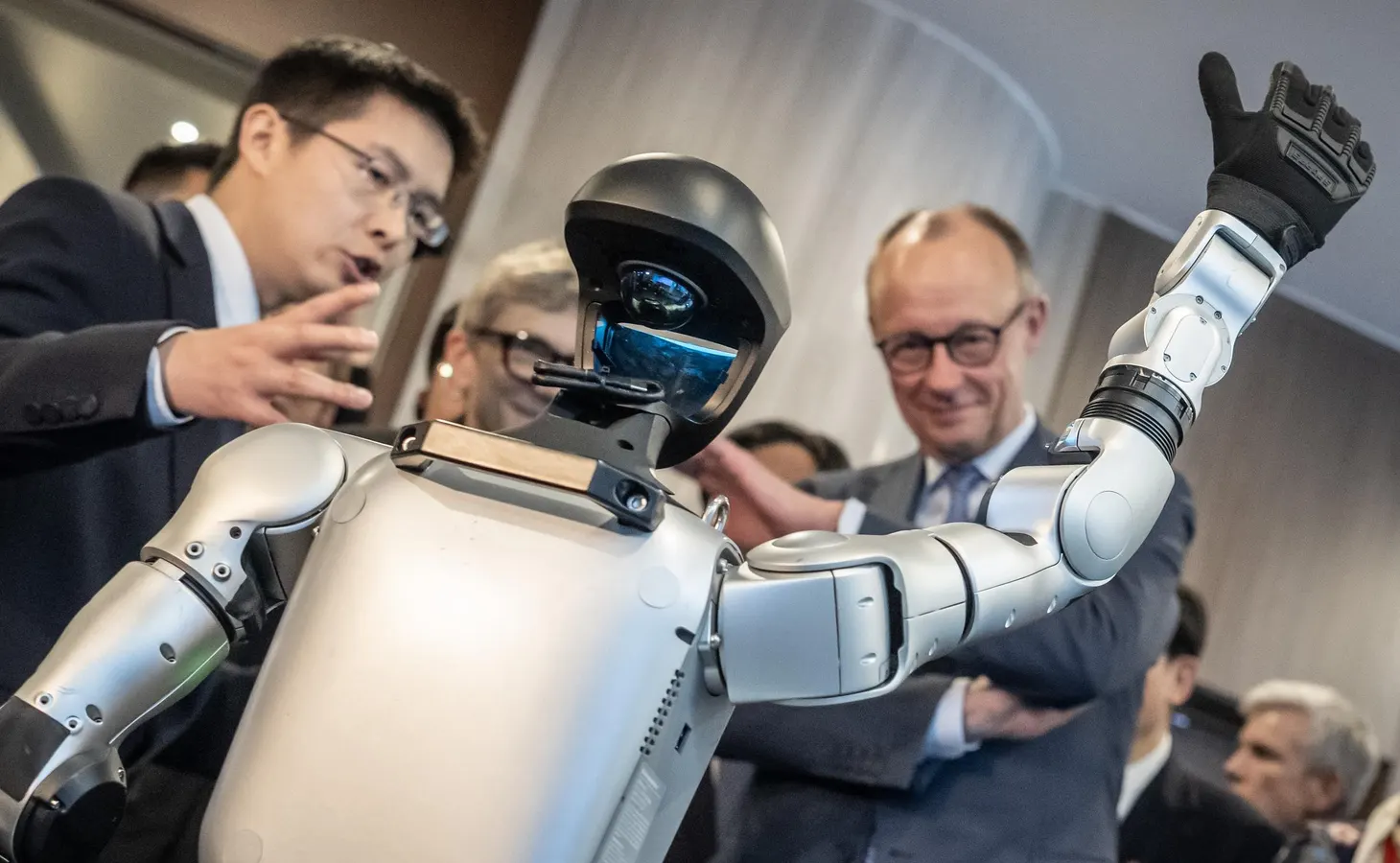
Following this massive cultural and political exposure, Unitree experienced an unprecedented commercial explosion that rapidly validated its aggressive manufacturing scale and lean production philosophies. According to the company’s detailed IPO filings, Unitree shipped an astonishing 5,511 humanoid units globally last year, marking a breathtaking ten-fold surge from its shipment volumes in 2024, a feat that firmly established the firm as the undisputed global leader in humanoid market share. This hyper-growth was further anchored by the company’s long-term commercial success in quadrupedal robotics, having successfully sold and delivered over 33,000 units of its signature robot dogs since its founding. Financially, these staggering shipment volumes translated into a phenomenal 300% year-on-year revenue spike, reaching 1.7 billion yuan ($252 million) in 2025, while net profits leaped by nearly 200% to hit 278.2 million yuan. What makes this financial triumph truly remarkable is Wang’s stubborn dedication to market accessibility; while western competitors often priced their experimental humanoids at astronomical, six-figure USD sums, Unitree brought its humanoid models to market at an average price of just 166,400 yuan (approximately $24,500). This aggressive, human-centric pricing strategy effectively democratized a technology that had historically been locked away inside elite academic laboratories, empowering independent software developers, university research departments, and small businesses worldwide to acquire, experiment with, and build software for real physical humanoids, thereby accelerating the global collective intelligence of the entire robotics industry.
However, as Unitree stands on the precipice of its historic public listing, it must navigate an incredibly fraught and increasingly hostile geopolitical landscape that threatens to disrupt its tightly integrated global supply chain and market access. Unitree’s meteoric rise has never been confined to China alone; indeed, the highly lucrative United States market generated more than ten percent of the company’s total sales last year, serving as a vital hub for software collaboration and commercial deployment. This critical bridge was severely threatened in July 2026, when the Trump administration, citing sweeping national security concerns and a desire to shield domestic manufacturers, announced a strict, comprehensive ban on the importation of new Chinese-made humanoid and quadrupedal robots. In its detailed prospectus, Unitree addressed this massive hurdle with careful transparency, reassuring investors that while the aggressive ban does not retroactively apply to its legacy models already operating in America, any future product iterations or newly developed models will be subjected to a grueling, highly uncertain United States government approval process. This geopolitical friction places an immense emotional and operational burden on Unitree’s leadership, forcing them to navigate a fractured global landscape where the universal language of scientific progress is increasingly restricted by national borders, reminding the tech community that the noble quest to build machines that assist humanity is frequently caught in the crossfire of cold, hard international politics.
Back on its home turf, the competitive landscape has transformed into an absolute pressure cooker, as Beijing’s aggressive push to dominate advanced manufacturing has catalyzed the birth of over two hundred distinct humanoid robotics startups across China by mid-2026. Fierce domestic rivals like AgiBot and AI² Robotics are already eyeing their own rapid public listings in Hong Kong, triggering a brutal, margin-eroding price war that has begun to visibly impact Unitree’s near-term financial performance. This intensifying domestic rivalry was directly cited as the primary culprit for a notable financial slowdown in the first quarter of 2026, where despite a respectable 68.5% year-on-year revenue growth to 422.8 million yuan, Unitree’s quarterly net profit plummeted by 52.6% to 40.3 million yuan. The company’s prospectus candidly warned that skyrocketing research and development costs, paired with aggressive marketing campaigns to defend its market leadership, have severely squeezed operational margins, signaling that Unitree may have to cut its average humanoid selling prices even further to stay competitive in the near future. Despite these daunting economic headwinds, Wang Xingxing remains deeply resilient, viewing these immediate financial growing pains and the upcoming Shanghai IPO as a necessary, refining crucible. For Wang, the ultimate destination has never been about short-term profit margins or personal billionaire status; instead, he views this struggle as a historic crusade to steer Unitree through the competitive storm, ensuring that when the dust of this robotics revolution finally settles, it is his affordable, elegant machines that are walking hand-in-hand with humanity into a brighter, more automated tomorrow.