





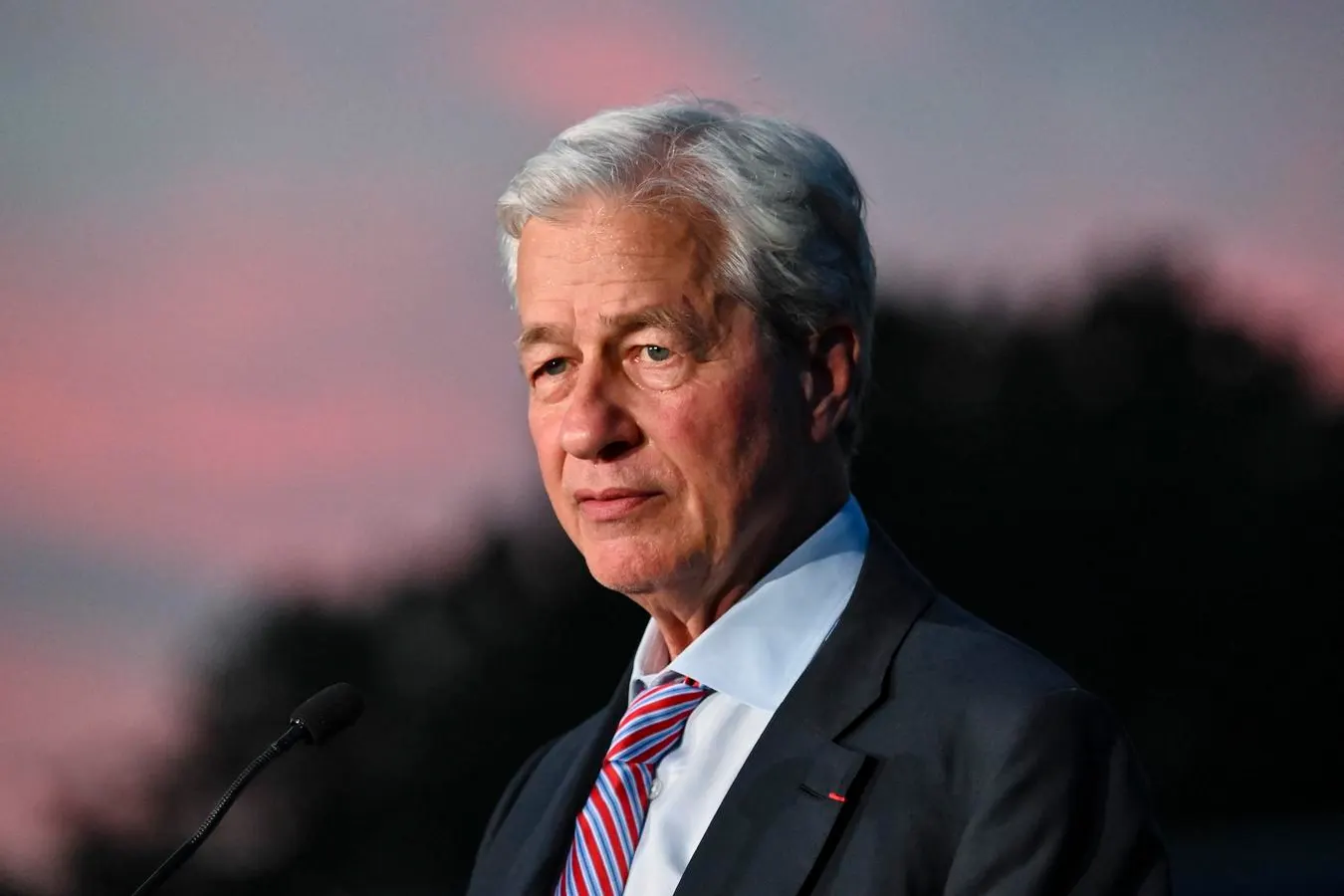
The long-shadowed legacy of Jeffrey Epstein continues to disrupt the highest echelons of Wall Street, thrusting JPMorgan Chase & Co. and its billionaire CEO, Jamie Dimon, back into the spotlight. Senator Elizabeth Warren, a Democatic member of the Senate Banking Committee, has initiated a formal inquiry into the bank’s historic relationship with the disgraced financier. In a sharply worded letter, Warren pushed for transparency regarding how much Dimon knew about Epstein’s extensive financial dealings with the firm, which spanned fifteen years and involved over 134 accounts. The investigation follows the release of newly unsealed Department of Justice documents, colloquially known as the “Epstein files,” which have revived uncomfortable questions about the extent of Epstein’s access and influence.
At the heart of the current controversy is an intriguing trail of correspondence suggesting Epstein may have tried to orchestrate high-level political lobbying through JPMorgan. Newly revealed emails from late 2009 show Epstein brainstorming with Peter Mandelson, then the U.K. Business Secretary, on how to push back against a proposed British tax on bankers’ bonuses. In these exchanges, Epstein appeared to suggest that Dimon should personally intervene, prompting Mandelson to advise that the CEO call the British Chancellor of the Exchequer and “mildly threaten” him. Records show that Dimon did indeed make a heated call to the Chancellor shortly thereafter to voice his displeasure over the tax, though it remains highly disputed whether this action was influenced by Epstein’s behind-the-scenes maneuvering.
The freshly uncovered documents also reopened questions about direct contact between the prominent CEO and the financier. Among the records is a February 2010 email from Epstein’s personal assistant asking if she should arrange “heavy snacks” or a sit-down dinner for an evening meeting at Epstein’s New York mansion. The guest list for this proposed gathering reportedly included Epstein, British politician Peter Mandelson, then-JPMorgan executive Jes Staley, and Jamie Dimon. This email directly challenges the narrative of complete separation, providing Warren with fresh ammunition to question the bank’s historic timeline and leading to her demanding a formal response from Dimon by late July.
JPMorgan Chase has mounted a firm defense of its chief executive, reiterating that Dimon had absolutely no personal relationship or familiarity with Epstein. Bank spokesperson Patricia Wexler clarified to Forbes that Dimon never attended the rumored 2010 gathering, asserting that internal reviews found no evidence he was even invited. Regarding the British tax dispute, the bank maintained that Dimon is famously outspoken on anti-growth municipal policies and acted entirely on his own business convictions. Wexler emphasized that throughout millions of pages of litigation documents, not a single piece of evidence proves Dimon ever met, emailed, or held any decision-making power over Epstein’s accounts.
Despite the bank’s denials, the historic financial ties between the two parties are undeniable. Between 1998 and 2013, Epstein was one of JPMorgan’s most lucrative clients, bringing in millions of dollars in fees, routing over $1 billion in transactions, and introducing other wealthy individuals to the firm. This profitable relationship has already cost the banking giant dearly in both reputation and capital. In 2023, JPMorgan agreed to pay a combined $365 million to settle lawsuits brought by Epstein’s survivors and the U.S. Virgin Islands, which accused the institution of ignoring clear warning signs of sex trafficking. Although the bank settled without admitting any liability, the legal fallout cemented the connection in the public eye.
As the political pressure mounts, the financial industry is watching closely to see how the bank navigates this renewed scrutiny. While Senator Warren’s July deadline for answers is not legally binding, it places immense public pressure on Dimon, whose net worth is estimated at $3 billion, to explain how such a high-profile client operated under his nose unnoticed. With the House Oversight Committee scheduled to interview Jes Staley—Dimon’s former lieutenant who maintained close personal ties to Epstein—more details are likely to surface. For JPMorgan, the ongoing probe is a stark reminder of a deeply regretted chapter in its history, proving that severing ties with Epstein in 2013 was not enough to put his ghost to rest.