






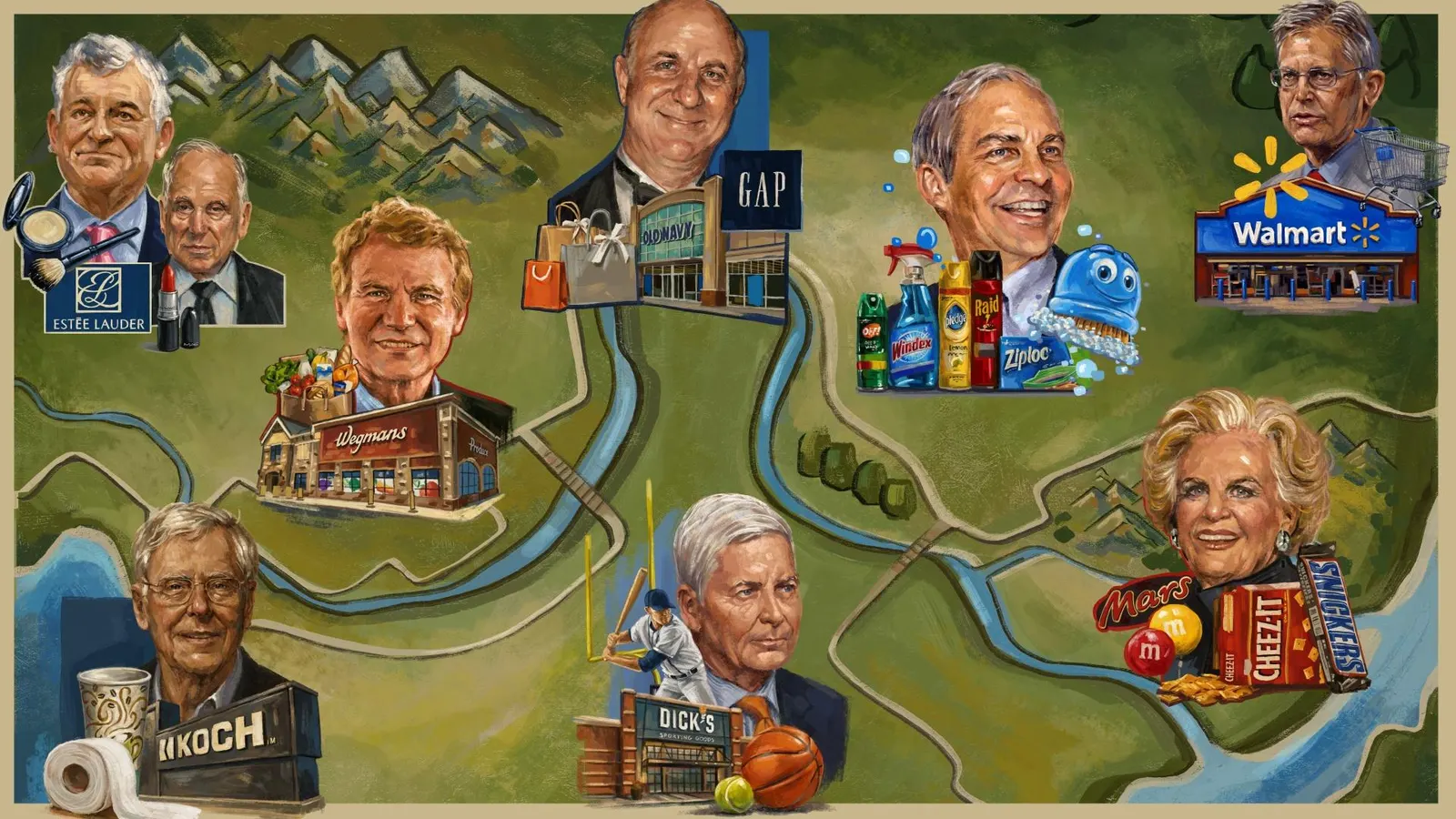
While much of today’s business world buzzes with tales of lightning-fast startups, massive tech disruptions, and overnight millionaires, family businesses offer a refreshing counterpoint—a more timeless blueprint for success rooted in patience, loyalty, and hands-on stewardship. Picture Byron Trott, the venerable chairman and co-CEO of the prestigious merchant bank BDT & MSD Partners, sharing his wisdom in a Forbes essay that hit the web this week. He’s got that seasoned insight from years of guiding powerhouse families like the Kochs, Pritzkers, Mars, and Coxes. Trott paints these enterprises as quiet powerhouses: not just chasing quick profits or flashy valuations, but nourishing livelihoods, community strength, and enduring institutions. It’s like the difference between a flashy fireworks show and a steady lighthouse beam guiding ships through storms. That’s why Forbes’ very first list of America’s top family businesses feels so timely—not as a trend, but as a celebration of the unsung heroes shaping our economy from the ground up.
Delving deeper, these family-run gems aren’t some obscure niche; they’re woven into the fabric of our daily lives, quietly powering a staggering chunk of the U.S. economy. According to a paper by four leading academics, using what’s called the “middle definition” of a family business, they represent 25% of all U.S. companies, employ 23% of the American workforce, and contribute 23% to private sector GDP. Think of it as the backbone of Main Street, where businesses like Wegmans stock our refrigerators, Hyatt welcomes us on vacation, The Wall Street Journal delivers our news, and Estée Lauder enhances our beauty routines. They’re the faces behind beloved brands—chocolatey M&M’s from Mars, plump Perdue chickens, or even the durable Quikrete concrete that builds our homes. Spread across 31 states from Arizona’s deserts to Wisconsin’s lakes and North Carolina’s beaches, these enterprises aren’t just surviving; many have thrived through generations, embodying resilience against odds like economic downturns or shifting markets. It’s heartwarming to see, right? These aren’t faceless corporations but extensions of family legacies, often weathering tempests that swallow up others.
One standout story that really tugs at the heartstrings comes from the Enterprise Mobility rental empire, now helmed by Chrissy Taylor, the granddaughter of founder Jack Taylor, who passed in 2016. As the daughter of chairman and former CEO Andy Taylor, Chrissy carries forward a tradition of privilege and responsibility. Andy, reflecting on their journey in a 2024 Forbes interview, shared poignantly: “The thing I wanted to pass along to the kids was that having a privately held family business is a privilege and you should treat it as such.” He wasn’t sugarcoating it; he pointed to countless examples of failed transitions where families “crashed and burned” or sold out. Yet, through careful learning and proactive planning, they’ve succeeded where others faltered, passing the torch gracefully. It’s a reminder that behind every thriving family business is a web of personal stories—love, loss, hard-earned wisdom, and the quiet determination to build something that outlasts a lifetime. These narratives humanize the data, showing how trust and shared values forge paths through uncertainty, turning potential pitfalls into stepping stones for future heirs.
To build this inaugural Forbes list, the team consulted a roster of family business experts from top universities like Babson, Northwestern, and the University of North Carolina at Charlotte, avoiding overly rigid or loose definitions that could skew the numbers. They steered clear of tracking businesses with living founders unless those founders co-launched with a late parent, as with the Reyes brothers of food and beverage distributor Reyes Holdings. Even then, exceptions shone through, like Fox Corp, where Rupert Murdoch has handed over the helm to his son Lachlan, now serving as both chairman and CEO. For privacy-owned firms, nearly all required over 50% family ownership, though they included majority-employee-owned entities like Fidelity and Publix, ensuring at least 20% familial stake with active leadership roles. Public companies needed a 10% family ownership threshold, paired with board seats or executive positions, or control via voting shares in cases like Ford and Comcast. Securities filings fueled public company data, while private ones often volunteered details; estimates filled the gaps based on diligent Forbes reporting. This meticulous approach ensures the list feels authentic, spotlighting true family-run titans rather than diluted interpretations.
Among the 100 heavyweights on the list, 67 remain privately held, a testament to their preference for controlled growth over public spectacle. It’s fascinating to see how they’ve weathered generational shifts, often evolving through innovation while safeguarding core values. For instance, the Haas family, behind 174-year-old Levi Strauss & Co., still clings to 54% ownership after re-entering the public market in 2019, inventing timeless blue jeans that defined American style. Meanwhile, Charlotte-based Sonic Automotive, kicking off just in 1997—the same year it went public—stays 44% family-owned, with descendants of founder O. Bruton Smith, including son David, guiding its resurgence. These stories echo across the board, from Cargill’s $154 billion food empire, 88% owned by William Wallace Cargill’s progeny (he passed in 1909), to Walmart’s $713 billion behemoth, where Sam Walton’s heirs (he died in 1992) hold 44% and a perpetual chairmanship. Walmart’s February milestone as the first brick-and-mortar retailer hitting $1 trillion market cap felt like poetic justice—a nod to retail’s roots and the family’s enduring vision. Public listings don’t diminish their family essence; they’re strategic choices that fund expansion while preserving influence.
In wrapping up, Forbes’ list isn’t just a ranking—it’s an ode to endurance in a world obsessed with brevity. These businesses, from century-old staples to modern dynamos, remind us that success can be measured in community ripples, loyal employees, and unbroken legacies, not just stock tickers. Byron Trott’s essay captures it perfectly: their quiet might is the engine fueling America’s economic heart. As we shop at these local anchors or enjoy their products, it’s easy to forget the human hands behind them—families like the Taylors, who treat their business as a sacred trust, or the Has, steadfast through denim revolutions. This list invites us to pause and reflect: in an era of fleeting apps and viral sensations, these family enterprises stand as beacons of sustainable triumph, proving that with steward-like care, wealth can be built to last, nurture, and inspire generations yet unborn. It’s a feel-good narrative that restores faith in business as a force for good, one story at a time.