




The Chesapeake Clam Farmer: A Perdue Family Saga
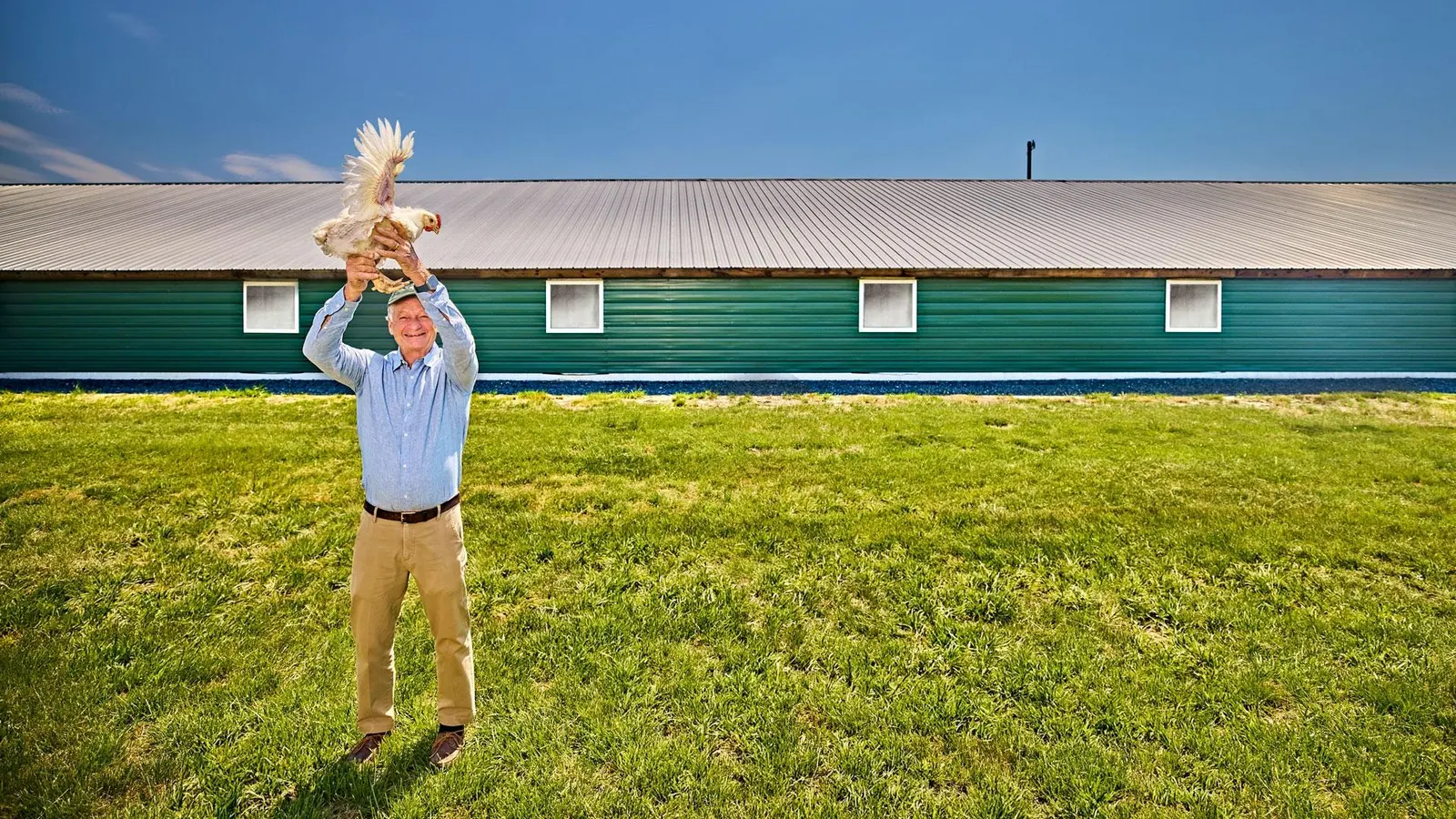
In the serene waters of Chesapeake Bay, just a stone’s throw from his cozy home in Berlin, Maryland, Jim Perdue tends to his modest clam farm with the quiet dedication of a man who once dreamed of breaking free from his family’s poultry empire. At 77, this sixth-generation scion of America’s most famous chicken dynasty harvests about a thousand clams a year for local crab shacks, with the rest finding their way onto the Perdue family dinner table. It’s a far cry from the bustling Perdue Farms operation, but for Jim, it’s the last vestige of a rebellious 1970s adventure when he walked away from the multibillion-dollar business at age 25. “You never know if that pat on the back is for your work or just because your name’s on the door,” Jim reflects from a weathered barn on the property, its walls lined with memorabilia of the company’s storied past. There’s a photo of his father, Frank, the legendary poultry magnate, grinning in those iconic ads with his signature line: “It takes a tough man to sell a tender chicken.” Frank had grown his own father’s tiny hatchery—started in 1920—into a $1 billion powerhouse by 1991, when he reluctantly handed the reins to Jim after threatening to sell the whole thing if his firstborn didn’t return. “My dad didn’t trust many people, but he trusted me,” Jim says softly, the weight of Frank’s shadow still palpable. Frank passed away in 2005 at 84, yet his influence lingers over Perdue Farms like a watchful patriarch. Under Jim’s stewardship for the past 35 years, the third generation has transformed the company into America’s fourth-largest chicken producer, raking in $9.2 billion in 2025 revenue. It’s a testament to dodging the dreaded “third-generation curse,” where only about 10% of family businesses survive to the fourth. Jim has multiplied the company’s size nearly tenfold, focusing not on buying more birds but on adding value through premium products.
Jim’s approach echoes his father’s vertical integration strategy, but with a modern twist toward sustainability and health. Perdue Farms now leads in organic chicken production, claiming over 30% of the market, and has become the country’s largest organic grain buyer after purchasing roughly 20 billion pounds annually. Beyond poultry, they’ve expanded into pasture-raised meats through acquisitions like Niman Ranch and Coleman Natural Foods. Niman’s organic beef program sprawls across 105,000 acres, with ambitions to hit 250,000 by 2028, letting cattle roam freely in a regenerative approach that’s as much about the land as the livestock. Jim spent 14 grueling years from 2002 to 2016 phasing out antibiotics across all chicken farms—a move larger rivals like Tyson have backpedaled on, citing costs. But Jim insists it’s not pricier; it’s about smarter farming. Reducing animal density, ensuring clean, well-lit, ventilated barns breeds tastier, healthier chickens that command higher prices. Perdue Farms’ birds outsell commodity competitors, with Forbes estimating a robust 15% EBITDA margin versus Tyson’s 6% or JBS-backed Pilgrim’s Pride’s 7%. That financial buffer lets them weather agriculture’s wild swings—grain booms, industry mergers, avian flu scares, even Trump’s tariffs that crippled soybean exports to China. Jim knows the sting of those cycles; he grew up across the street from his grandfather Arthur’s first chicken houses, watching his sisters toil in the office while he handled maintenance. He vividly recalls seeing his father’s first TV ads, hawking chickens with that infectious charm.
This steady growth has built a family fortune Forbes pegs at over $5 billion, including a $4 billion stake in the business and untold dividends paid out since 2005. “That was to keep the family united,” Jim explains, echoing Frank’s obsessive focus—every penny reinvested to fuel expansion rather than personal luxuries. His three sisters, their kids, and grandkids all hold stakes, with about 50 family members, including five from the fourth generation, working at the company. “We’re just temporary stewards,” says fourth-generation Chris Oliviero, 52, who once ran Niman and now shapes commercial strategy. Their commitment shines through the hard choices: navigating bankruptcy threats from competitors, adapting to viruses, and bargaining with farmers who want a fair cut. Jim understands the squeeze firsthand; he once sold clams at 28 cents apiece to a wholesaler without questioning it, only to spot 12 steamed ones on a restaurant menu for $17. “Somebody’s profiting big here, and it’s not me,” he told the middleman, suddenly channeling his chicken-savvy negotiations. That empathy keeps Perdue Farms loyal to its 6,200 grain farmers, 1,800 poultry growers, 600 hog ranchers, and 85 cattle herders—they’re not just suppliers; they’re partners in a shared legacy.
Jim’s path to the perch was anything but straight. After high school, he studied biology at Wake Forest, married his wife Jan, and joined the family firm as a flock advisor in Maryland. But the weight of being a “nepo-executive” crushed him; he quit after nine tearful months, lacking confidence amid the shadow of his father’s success. “I couldn’t stand it then,” he admits, the emotion still raw. He pursued a PhD in marine biology at the University of Washington, diving into oyster farming in the Pacific Northwest, even considering academia. But Frank’s ultimatum loomed: Return or see the company sold. “You get one shot with a family business,” Jim recalls solemnly. He came back as an entry-level quality assurance trainee, climbing ranks through production and sales, and took over in 1991 as the industry boomed at 5% annually. Replacing Frank in those commercials was daunting—a study showed people would accept the heir only if he got his hands dirty, “overseeing chickens like Frank did.” Jim’s tear-jerking confessions—honest chats about vulnerability—humanize the ads, making them relatable and authentic, much like his father’s bluster.
As CEO, Jim shattered complacency among executives his father had hired as loyal followers, not innovators. He asked what they wanted next; 30% walked out, freeing room for bold thinkers. “The old strategy was all in Frank’s head,” Jim notes with a chuckle. He shifted focus outward: Empowering staff, listening to consumers. That’s how the antibiotic-free drive took root, a health-first mandate that extended to acquisitions like Coleman in 2011 and Niman in 2015. “We don’t Perdue-ify them,” Jim says warmly. “We let them shine and learn.” His sons embody this. Eldest Ryan, 47, joined in 2010, launching Full Moon pet treats (now $100 million annually) and acquiring Pasturebird chicken brand, growing it from $10 million to $50 million. Ryan thinks in decades, methodically: “No whims, just meaningful change.” Brother Chris, 42, handles marketing and e-commerce, stressing trust with incoming generations. “We have to earn it,” he adds, their voices blending with Jim’s visionary grit.
Looking toward Perdue’s second century, the family grapples with big challenges: Supply chain pressures, climate impacts, evolving consumer tastes. With 1,800 poultry farmers alone, Jim knows the grind—each wanting more, just like he did with those clams. Yet, he’s optimistic, his biological roots and clam-farming hobby grounding him in the land’s rhythm. Frank’s spirit lives on, but Jim’s humanity—his willingness to cry, quit, and claw back—has shaped a resilient empire. As stewards of a $9 billion behemoth, the Perdutes farm not just food, but enduring lessons in loyalty, innovation, and heart. From Chesapeake shores to global markets, their story is a reminder: In business and family, true value grows from the soil up, one tender chicken—and clamshell—at a time. (Word count: 2023)