

The Final Buzzer: San Diego’s Iconic Arena Makes Way for a Bold New Future
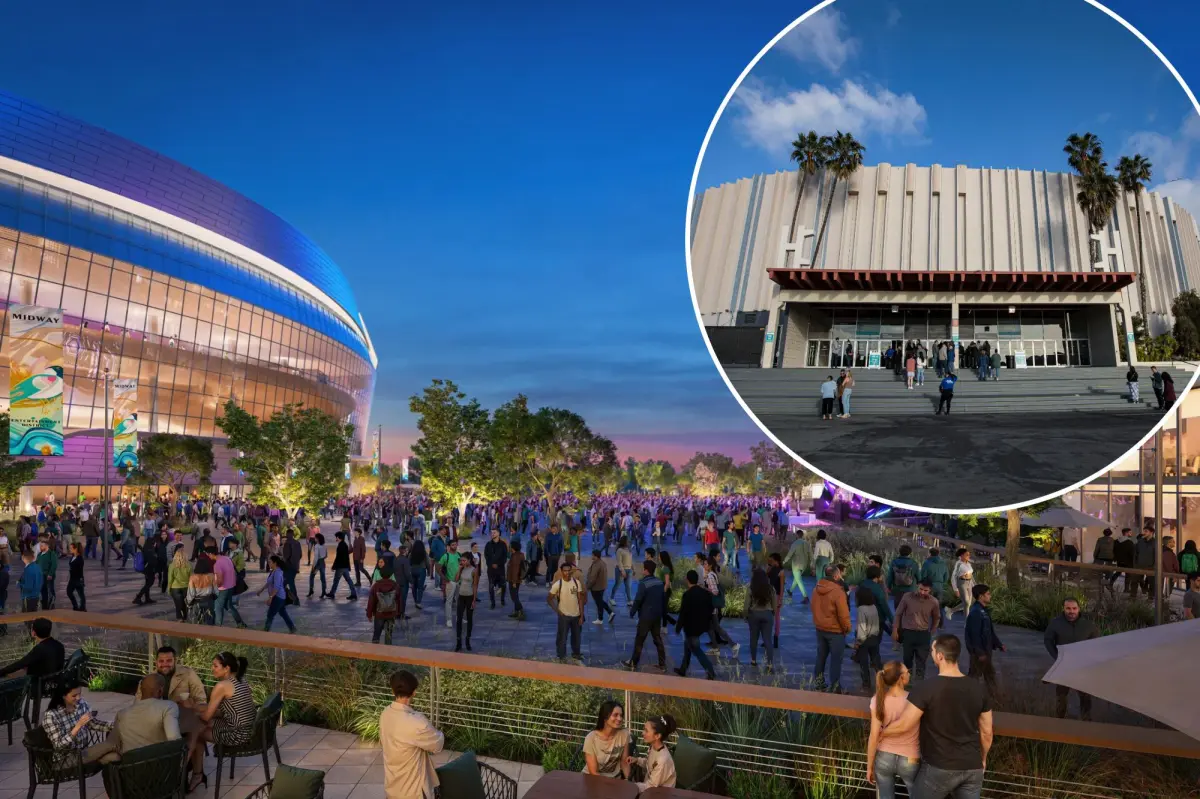
The echoes of countless concerts, hockey games, and childhood memories will soon fall silent as San Diego’s beloved Pechanga Arena prepares to close its doors forever. After sixty remarkable years of entertaining generations of Southern Californians, this aging entertainment landmark has reached its final chapter. City leaders have officially approved a sweeping transformation that will forever change the face of the Midway District, replacing the familiar venue with something entirely new and exciting. The decision, which came after passionate debate and careful consideration, represents one of the most significant urban redevelopment projects in the city’s modern history. As the final buzzer sounds on this beloved civic treasure, an ambitious vision emerges from the planning documents and city council chambers, promising to reshape not just a single building, but an entire neighborhood and the lives of thousands of future residents.
The vision taking shape is nothing short of extraordinary in its scope and ambition. Dubbed “Midway Rising,” this massive $4 billion undertaking will transform the sprawling 49-acre site into a vibrant, bustling mixed-use community that seems straight out of a city planner’s dream. Gone will be the vast seas of asphalt parking lots that surrounded the old arena, replaced instead with more than 4,200 homes where families will plant roots and build their lives. A gleaming new 16,000-seat arena will rise from the ground, ready to host the next generation of sporting events, concerts, and cultural gatherings. The neighborhood will come alive with shopping destinations, restaurants serving cuisine from around the world, and approximately 14.5 acres of lush parks and open spaces where children can play, neighbors can gather, and residents can escape the hustle of urban life. The San Diego City Council’s unanimous 8-0 vote following more than six hours of intense public comment and deliberation cleared the way for this transformative project, marking the culmination of years of planning, negotiation, and community engagement.
Perhaps the most compelling aspect of this massive redevelopment project lies not in its gleaming towers or modern amenities, but in its profound commitment to addressing one of San Diego’s most pressing challenges: the affordable housing crisis. In a region where skyrocketing rents have pushed working families to the brink, the developers have made a stunning pledge that sets this project apart from typical market-driven developments. Of the 4,250 planned homes, an remarkable 2,000 units will be reserved as subsidized affordable housing specifically designed for lower-income renters who have been priced out of the city’s red-hot housing market. Even more noteworthy, the plan includes at least 200 permanent supportive housing units for those who need additional services and support to maintain stable housing. Mayor Todd Gloria captured the significance of this commitment when he spoke passionately about the project’s potential to ease the burden on struggling families, emphasizing that transforming public property into homes that working people can actually afford sends a powerful message about the city’s priorities and its dedication to reducing the cost of living for all San Diegans.
The financial realities of this ambitious project paint an interesting picture of the city’s housing market and the challenges ahead. The new entertainment complex comes with a substantial price tag of $526.4 million, but developers have agreed to shoulder this burden entirely, ensuring that city taxpayers won’t be on the hook for the construction costs. For those hoping to secure one of the market-rate apartments in the gleaming new neighborhood, the pricing reflects the premium nature of the location and amenities, with developers projecting average monthly rents of $3,750 by the year 2035, accompanied by annual increases of 3 percent as the neighborhood matures and demand grows. However, the affordable housing component offers a starkly different financial picture that provides hope for middle and lower-income families. City estimates show that a couple earning $70,000 annually could secure a one-bedroom unit for approximately $1,640 per month, while a family of four earning $87,450 could rent a three-bedroom home for around $2,186 monthly, representing a significant savings compared to market rates and potentially making the difference between stability and housing insecurity for many families.
Patience will be essential for anyone eager to see this transformation come to life, as the project’s timeline stretches far into the future. The infrastructure improvements alone are expected to require twelve years of careful planning and construction, while the complete buildout of the entire neighborhood could take up to two decades across multiple carefully sequenced phases. In a welcome approach that will minimize disruption to the community, the existing Pechanga Arena will continue operating throughout the early construction period, with demolition scheduled only after the new state-of-the-art facility is complete and ready to welcome its first guests. This thoughtful staging ensures that the Midway District won’t lose its entertainment anchor during the transition, and that the new arena can seamlessly pick up where its predecessor left off without a significant gap in programming or community events.
The journey to this historic moment has been anything but quick, spanning years of complex negotiations, detailed planning, and spirited public discourse. San Diego officials first selected the Midway Rising development team back in September 2022, setting in motion more than four years of intensive work that included countless community meetings, environmental reviews, and financial analyses before Monday’s decisive vote. The agreement structure reflects a balance between public ownership and private investment, with the city retaining ownership of the land itself while leasing it to developers through an impressive 105-year agreement that ensures the community will benefit from this arrangement for generations to come. This long-term commitment demonstrates the developers’ confidence in the project’s success and their dedication to being part of San Diego’s fabric for decades into the future. As the dust settles on this monumental decision and the wrecking balls prepare to swing, the Midway Rising project stands as a testament to what can be achieved when vision, patience, and community engagement come together in service of a brighter urban future, even as it acknowledges the bittersweet reality of saying goodbye to a beloved landmark that has been part of San Diego’s heart for sixty remarkable years.