

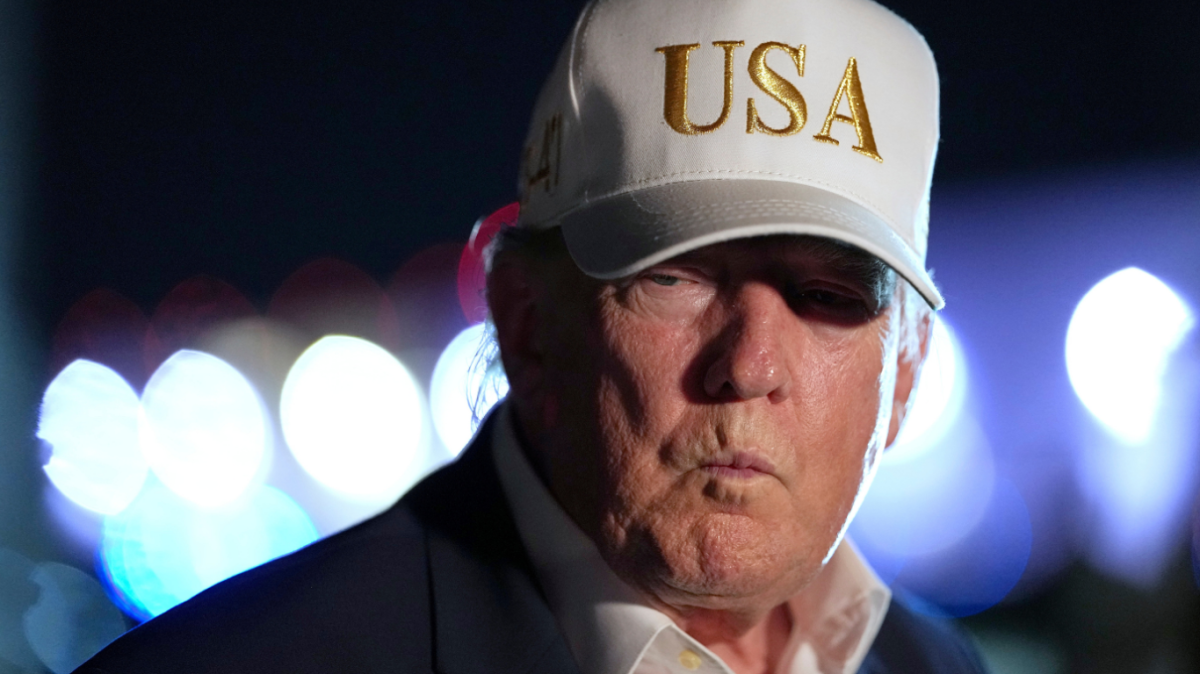
The Reluctant Kingmaker: Trump’s 2028 Dilemma
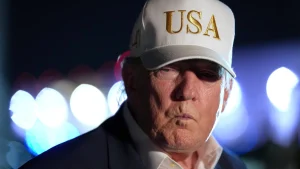
In the aftermath of a bruising midterm election that saw Republicans lose control of both chambers of Congress, President Donald Trump sits at an unusual crossroads in American political history—a man who cannot run again but cannot seem to let go either. In his first major television interview since the Democratic wave swept through the Capitol, Trump offered a glimpse into his thinking about the future of the Republican Party, and it was a portrait of calculated ambiguity. Rather than the confident kingmaker who has dominated GOP politics for a decade, viewers saw a president weighing his options with the careful deliberation of someone who understands that his endorsement could make or break careers—including potentially his own continued relevance. The interview, taped in the White House and broadcast on Sunday evening, revealed a leader who is simultaneously indispensable and uncertain, powerful yet hesitant, and clearly struggling with the reality that his time in the Oval Office is drawing to a close.
The numbers tell a stark story of diminished influence. When CBS correspondent Ross Douthat asked Trump whether he would endorse the next Republican presidential nominee, the president’s response was anything but definitive. “Probably, not necessarily,” he said, offering a yes and a no that seemed to cancel each other out. For years, the path to the Republican nomination has run directly through Trump’s approval, but the midterm results have raised uncomfortable questions about whether that blessing has become a burden. Two of his hand-picked Senate candidates lost their races—Ken Paxton in Texas and Darline Graham in South Carolina—and while Trump tried to spin these defeats as inevitable, the losses echoed the 2022 midterms when his favored candidates also underperformed. The art of the endorsement, it seems, has lost some of its magic, and Trump knows it. His musing that he might be “better off not getting involved” in the 2028 race was perhaps the most honest statement he has made about his political future, a recognition that his involvement might be counterproductive even as his ego demands he remain central to the conversation.
The one name Trump was willing to put forward was that of Secretary of State Marco Rubio, whom he praised effusively as “great” and doing a “fantastic job” in his current role. This was a significant shift in the political landscape, given that Rubio was once Trump’s bitter rival in the 2016 primaries, the target of mocking nicknames and personal insults. But politics makes strange bedfellows, and Rubio’s transformation from Trump critic to loyal administration soldier has apparently earned him a place in the president’s good graces. Trump suggested Rubio would likely remain as Secretary of State throughout his term, a signal that he sees value in keeping the Florida senator close and perhaps in elevated prominence. Yet even here, Trump’s endorsement was hedged, mentioning only Rubio’s first name and declining to offer a full-throated endorsement. He spoke vaguely of other unnamed senators who are “excellent” and whom he “likes a lot,” leaving the field guessing about who else might be in contention for his blessing.
Perhaps the most telling moment came when Trump conspicuously declined to mention Vice President JD Vance by name, even when directly asked about the man who would seem to be his natural successor. The omission was deliberate, coming just days after Vance publicly blamed the midterm losses on the ongoing war with Iran, posting on social media that “the reason we lost is the war.” Vance’s analysis suggested that many 2024 Trump voters had defected to Democrats, driven by concerns about the endless conflict, rising costs, and the administration’s relationship with Israel. Trump told Douthat that he encouraged Vance to “write what you feel,” but then gently corrected his vice president’s analysis on one crucial point. When asked whether, knowing the human and political costs, he would launch the war again, Trump’s answer was emphatic: “My answer is an emphatic yes, because you can’t let Iran have a nuclear weapon.” This exchange revealed a subtle tension between the president and his vice president, with Trump defending his legacy on the war while Vance appears to be positioning himself for 2028 by distancing himself from its costs.
The political prediction markets offer a window into how the landscape has shifted in recent days. Vance still leads the pack with about a 32 percent chance of winning the nomination, according to Polymarket, followed by Rubio at 21 percent and Florida Governor Ron DeSantis at roughly 15 percent. But these numbers represent a dramatic slide for Vance, who was priced at 56 percent when the market opened in July. DeSantis has emerged as this week’s biggest gainer, adding about 13 points on prediction markets, suggesting that some Republican donors and operatives see the Florida governor as a fresh face untainted by the current administration’s controversies. Polling conducted before the midterms painted a similar picture, with Vance at 38 percent, Rubio at 26 percent, and DeSantis at 8 percent in national Republican primary surveys. The fact that no Republican has formally entered the 2028 race makes these numbers particularly fluid, but they suggest a party that is genuinely unsettled about its future direction.
Trump’s ultimate decision about whether to endorse anyone will likely shape the entire trajectory of the 2028 primary season. If he stays on the sidelines, the race becomes a wide-open contest with multiple credible candidates competing for an uneasy coalition of Trump loyalists and establishment Republicans. If he endorses, he risks backing another loser and watching his influence evaporate further. His reference to his “tremendous bench” of potential candidates suggests he sees himself as the gatekeeper of a deep pool of talent, even as he struggles to identify which of them might actually be able to win a general election. The constitutional barrier to a third term remains absolute, but Trump’s political ambitions have never been easily contained by legal or traditional limitations. He has hinted at continued involvement in politics beyond the presidency, and his reluctant response to the endorsement question suggests he plans to remain a kingmaker whether the party wants him or not. For the Republican Party, this creates an existential question: how do you build a future when the defining figure of your present refuses to step aside gracefully? The answer, like Trump’s own response, contains both a yes and a no, a promise of continued influence and a warning that his blessing may come with strings attached. The next two years will reveal whether Trump becomes the party’s elder statesman or its greatest liability.