


On what should have been an ordinary early morning, a 27-year-old woman’s walk home in the Bedford-Stuyvesant neighborhood of Brooklyn turned into a nightmare that no one should ever have to endure. According to the New York Police Department, the woman was approached from behind, sexually assaulted, followed into her own apartment building, and raped by a man she did not know. The alleged attacker, 35-year-old Reynaldo Mayna Cordero, was arrested around 10 p.m. on Monday and now faces charges of rape, two counts of sexual abuse, and two counts of forcible touching. For the woman, the physical injuries may mend in time, but the emotional and psychological scars of such a violation can linger far longer, especially when the assault happens in the place where she should feel safest: her own home. The news has understandably shaken residents of the close-knit Brooklyn community, reminding everyone that safety can never be taken for granted. It also brings into sharp focus the reality that many women live with every day—the quiet fear of being followed, the hyper-awareness when walking alone, and the terrifying knowledge that danger can appear in an instant, even in familiar surroundings. While the legal process will now determine what happens next, the woman’s experience is a painful reminder of the need for compassion, vigilance, and meaningful action to prevent such violence from happening to anyone else.
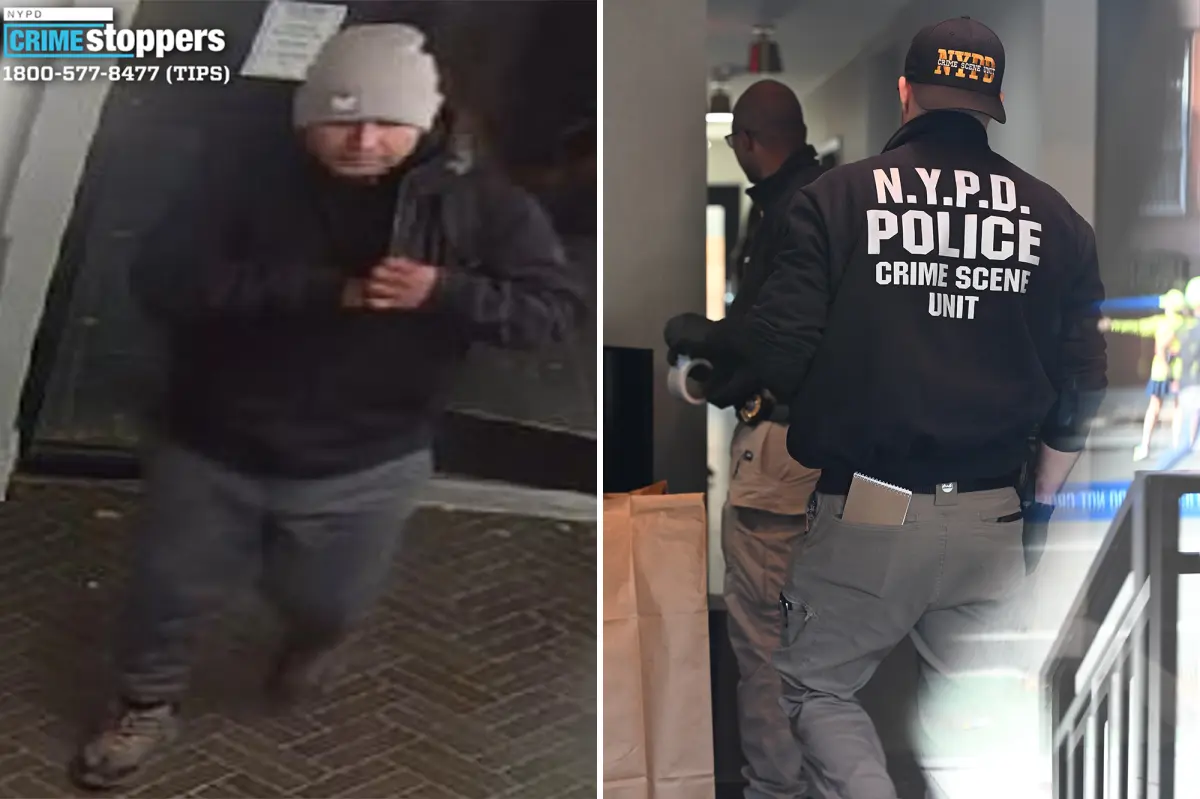
The sequence of events, as described by police, began shortly after midnight on Sunday, when the 27-year-old woman was making her way back to her building. Cordero allegedly approached her from behind on an e-bike and slapped her buttocks over her clothing before riding away. It was a brazen act of harassment, one that likely left the woman shaken and anxious as she hurried to reach the safety of her front door. But the ordeal was far from over. According to authorities, Cordero returned, followed her inside the building, and then raped her. He fled afterward on the e-bike in an unknown direction, leaving behind a traumatized victim who was taken by first responders to a local hospital, where she was reported in stable condition. The NYPD later released photographs of the suspect in an effort to identify him, and those images led to his arrest. For anyone who has ever been followed or harassed, this account is deeply unsettling because it mirrors a fear women often articulate but hope never to experience: the fear that a random act of street harassment could escalate into something far more violent. The fact that there is no indication Cordero knew his alleged victim makes the crime even more chilling, as it suggests a completely random target, chosen in a moment, whose only intended outcome was control and harm. In the aftermath, the woman’s courage in reporting the assault and cooperating with investigators cannot be overstated; survivors of sexual violence often face immense internal and external barriers when deciding whether to speak up, and doing so requires tremendous strength.
From a legal perspective, the charges against Cordero are serious and carry the possibility of significant prison time if he is convicted. Rape is one of the most grave offenses in New York law, and the additional counts of sexual abuse and forcible touching reflect the multiple ways in which the alleged victim’s body and autonomy were violated in a single, terrifying sequence. The legal system will now move forward with a process designed to determine the truth. Cordero, like any person accused of a crime, is presumed innocent until proven guilty, and he has the right to a fair trial and legal representation. At the same time, the allegations are detailed and specific, and they paint a pattern of behavior that escalated from a hit-and-run act of groping to a rape minutes later. For observers, this escalation is a stark illustration of how predatory behavior can begin with what some might dismiss as “minor” harassment and quickly spiral into brutal violence. It also highlights the importance of taking every report of unwanted touching, following, or harassment seriously—not only because such behavior is unacceptable in itself, but because it can be a precursor to far worse. The swift arrest in this case, which occurred less than two days after the assault, offers a small measure of reassurance that investigators were attentive and that the community’s safety concerns were treated with urgency. Yet it also raises broader questions about how society responds to the everyday invasions and threats that women disproportionately face, and what more can be done to stop offenders before they escalate.
For the Bedford-Stuyvesant community, the incident is not just a headline; it is a rupture in the feeling of safety that residents rely on to live their daily lives. Bed-Stuy, as it is affectionately known, is a neighborhood rich in history, culture, and resilience, famous for its brownstones, its sense of community, and its vibrant street life. The idea that a woman could be raped inside her own building, after being targeted from the street, is deeply unsettling for neighbors who now find themselves rethinking their routines. People are asking themselves: Could this have happened to me? Could this have happened to my daughter, my sister, my friend? The fear is valid, and it has resonated far beyond Brooklyn, as news of the attack spread through local media and social networks. In response, there have likely been conversations about better lighting in hallways, about security cameras, about checking who enters the building behind you, about the simple but crucial habit of locking doors immediately. These are practical measures, but they also place the burden on potential victims rather than on the people who commit violence. True change requires not only individual caution but also a collective commitment to creating a culture where such behavior is not tolerated, where bystanders intervene when they see something wrong, and where offenders are held accountable. The woman’s experience has become part of a larger public reckoning with gender-based violence, a reckoning that recognizes that safety is not a privilege but a basic human right.
The response from law enforcement and the legal system is only the first step in a longer journey toward justice and healing. After being taken to a local hospital in stable condition, the victim now faces the difficult road of recovery, one that may involve counseling, support groups, and the slow process of rebuilding a sense of normalcy. It is impossible to know what she is feeling or what she will need in the coming days, but what is certain is that she deserves unwavering support, patience, and belief. The release of the suspect’s photos by police was a pivotal moment in the investigation; it demonstrates how community awareness and cooperation can play a vital role in bringing an alleged perpetrator to justice. It also serves as a reminder that for every survivor who comes forward, there are many who remain silent, either out of fear, shame, or a lack of faith in the system. This is why the way we talk about sexual violence matters. When the media reports such crimes, the language should be careful not to blame the victim, not to minimize the trauma, and not to sensationalize the violence. The focus should remain on the actions of the accused and the well-being of the survivor. As the case moves through the courts, it will be important for the public to respect the legal process while also maintaining empathy for the woman at the center of the story. Justice, in the truest sense, means more than a conviction; it means acknowledging the harm done and taking steps to ensure that the community becomes safer as a result.
In the end, this painful incident in Brooklyn is a reminder of how much work remains to be done in the fight against sexual violence. It is easy to read a news story and feel a moment of outrage or sadness, then move on to the next headline. But for the survivor, the memory of that night will not fade easily. She will carry it with her as she walks through her neighborhood, as she enters her building, as she tries to reclaim the comfort of her own home. Her courage in reporting the assault, in cooperating with police, and in enduring the public scrutiny that often accompanies such cases is worthy of deep respect. At the same time, the alleged actions of Cordero—if proven—stand as a stark example of the predatory behavior that persists in our streets, in our cities, and in our culture. Each of us has a role to play in changing that reality: by listening to and believing survivors, by challenging harmful attitudes, by supporting organizations that assist victims, and by demanding communities where people of all genders can live without fear. The arrest in Bedford-Stuyvesant is a measure of accountability, but it is not an ending. It is a beginning—of a legal process, yes, but also of a broader conversation about safety, dignity, and justice. For the 27-year-old woman, and for countless others who have experienced similar violence, the hope is that this conversation will lead to real change, and that no one will ever again have to fear being followed home.