



The tech world rarely pauses for breath, and this week’s GeekWire Podcast episode captures that relentless momentum with a mix of hard news, deep analysis, and a few playful detours. At the center of the conversation is a seismic development from Microsoft: the company is offering voluntary buyouts to roughly 60,000 employees, which represents about a quarter of its entire workforce. This is not your typical corporate downsizing maneuver. Unlike the retirement-focused program Microsoft rolled out in the spring, this one has no age or tenure requirements whatsoever. The decision is decentralized, placed squarely in the hands of business leaders who get to determine whether their specific groups participate. This is a strategic, deliberately broad invitation that signals a significant period of recalibration at the software giant. It acknowledges, in a very tangible way, that the company is shifting its weight, reassessing its priorities, and preparing to streamline its operations in an era where artificial intelligence is fundamentally reshaping the cost structures and talent needs of the industry.
The buyout news serves as a fascinating entry point for a larger discussion about what is happening inside Microsoft beyond the headline numbers. The GeekWire team dives into why stories about buyouts and layoffs consistently capture such intense reader interest. There is an undeniable human fascination with the fate of work in the age of AI, compounded by the sheer scale of this offer touching 60,000 lives. The timing is particularly striking because it comes on the heels of a blockbuster quarter for the company, which complicates any simplistic narrative of a struggling business. This is not a story of desperation but of strategic repositioning. The podcast highlights the mind-bending reality of Microsoft’s current financial trajectory, including the revelation that the company is generating a stunning $10 billion in revenue annually from its partnership with OpenAI alone. To put that in perspective, that single revenue stream eclipses what Microsoft earns from stalwart consumer businesses like Xbox or its Bing search engine, two brands that have defined the company in the public consciousness for years. It is a vivid illustration of how completely the center of gravity has shifted toward the promise and potential of artificial intelligence.
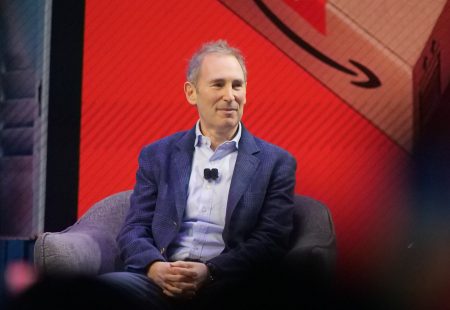
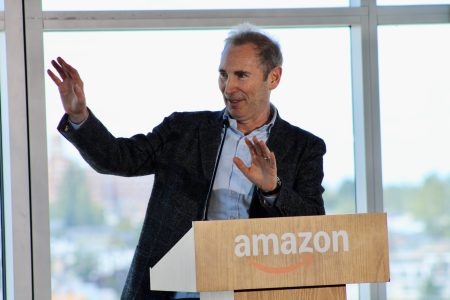
Shifting focus, the episode turns to Amazon, where CEO Andy Jassy has made a characteristically bold and visionary prediction about the company’s future scale. Jassy forecasts that both AWS and Amazon’s core stores business could each reach an astonishing $1 trillion in annual revenue within the next five to ten years. That is not just incremental growth; it represents an almost unfathomable expansion of the company’s operational footprint and market reach. The podcast grounds this lofty ambition in the immediate numbers from the latest quarter. AWS did deliver impressive performance, growing by 39 percent in the third quarter, which marks its fastest pace of growth in nearly five years. That acceleration speaks to the overwhelming demand for cloud infrastructure and AI capabilities. However, the story is not entirely rosy. Amazon’s overall profit fell short of analyst expectations, and the podcast unpacks why: the staggering cost of its massive AI buildout and a growing mountain of debt are beginning to cut into the company’s earnings. The episode effectively captures the delicate balancing act Amazon is performing, investing hundreds of billions into the future while trying to satisfy the near-term expectations of Wall Street and manage the financial risks that come with such an aggressive expansion.
The conversation then takes an intriguing and decidedly more personal turn as the podcast explores a new piece of wearable technology. Co-host Todd takes Amazon’s new “Bee AI” wearable device for a test drive, an experience that yields both fascinating insights and a fair amount of discomfort. The device is designed to listen to conversations and synthesize them, acting as a kind of always-on memory assistant. In the context of the show, it listened to the first part of the episode, summarized the discussion among the hosts, and even offered a critique of its own performance and content. This creates a strange and slightly meta experience where the technology is not just a passive recorder but an active participant and commentator. This moment serves as a real-world demonstration of how quickly AI is moving from our desks and pockets to our bodies, inserting itself into the most intimate corners of our daily communication. It forces the hosts, and by extension the listeners, to confront a future where our conversations are not merely overheard but actively analyzed and archived by machines.
This experiment naturally raises profound questions about privacy and social etiquette, which the podcast addresses head-on. The discussion is framed partly by the concerns of a former AWS security engineer who is openly troubled by the implications of walking around with a device that records the people around you. The ethics of consent, the risk of surveillance, and the awkwardness of informing friends, family, and colleagues that they are being monitored in a social setting are all explored. The hosts grapple with the various layers of this issue, moving from the abstract philosophical right to privacy to the practical realities of social interactions. John’s perspective evolves over the course of the conversation. He begins the segment with significant skepticism but starts to come around as he considers the potential productivity benefits and the utility of having a perfect record of important meetings or personal moments. However, he maintains strong reservations about the device’s shopping features, which feels like an invasive and unnecessary commercialization of a sensitive space. It is a nuanced, balanced debate that reflects the broader societal ambivalence we all feel about the trade-offs between utility and privacy.
To round out the episode, the hosts lighten the mood with a few of their favorite recurring segments, reminding us that beneath the heavy topics of billion-dollar financials and existential privacy concerns, this is still a show about the culture of technology. They dive into their Halloween costumes, offering a bit of playful self-deprecation and creative flair that gives listeners a glimpse into their personalities beyond the microphone. This is followed by a T-Mobile-inspired Trivia Challenge, tied to the launch of the new T-Mix plans, which brings a competitive and interactive energy to the proceedings. This blend of serious journalism and lighthearted banter is precisely what makes the podcast so engaging. It navigates the immense scale of the tech industry while maintaining a human touch, acknowledging that the people building, regulating, and using this technology have lives, humor, and holiday traditions too. The episode is expertly edited by Curt Milton, with original music by Daniel L.K. Caldwell, ensuring that the final production is as polished as the journalism is insightful, delivering a genuinely enjoyable and comprehensive look at the most important stories in tech this week.