


1. A Cautionary Tale Comes to a Close: Zillow’s $212.5 Million Settlement
In the world of real estate and technology, few stories have felt as dramatic—or as human—as the rise and fall of Zillow Offers. What began as a bold, futuristic bet to revolutionize how Americans buy and sell homes ended in a spectacular crash, leaving investors, employees, and everyday homeowners caught in the wreckage. On a quiet Wednesday in late October 2026, the Seattle-based company finally agreed to write a very large check to close one chapter of that painful story. Zillow announced it would pay $212.5 million to settle a shareholder class action lawsuit tied to its handling of Zillow Offers, the home-flipping business it abruptly shut down in 2021. The settlement was disclosed in a filing with the U.S. Securities and Exchange Commission, and it marks one of the most significant legal resolutions in the company’s history. Of that total, roughly $48 million is expected to be covered by insurance, softening the financial blow to Zillow’s own bottom line. The company did not admit any wrongdoing as part of the deal, and the settlement still needs approval from a federal judge before it becomes final. But for the thousands of investors who watched their shares plummet in the fall of 2021, the agreement represents a measure of justice—an acknowledgment, at least in monetary terms, that the company’s sunny public statements did not match the troubled reality unfolding behind the scenes.
2. The Long Legal Road: From Courtroom Battles to a Landmark Settlement
The road to this settlement was neither quick nor easy. The lawsuit was originally filed in federal court in Seattle in November 2021, just weeks after Zillow’s stunning announcement that it was shutting down Zillow Offers. The plaintiffs accused the company of misleading investors about the health and potential of its home-buying operation, pointing to a series of upbeat statements made by executives during the months before the collapse. Over the following years, the case wound its way through the courts, surviving motions to dismiss and class certification challenges. Zillow fought hard to avoid facing investors as a unified group, but in early October 2026, the U.S. Supreme Court declined to hear the company’s challenge to the case’s class status, effectively clearing the way for the massive settlement. The U.S. Chamber of Commerce and several other business groups had thrown their support behind Zillow’s petition, warning that allowing the class action to proceed could have broad implications for how companies talk about emerging business ventures. But in the end, the legal system sided with the investors. Steve Berman, managing partner of the Seattle law firm Hagens Berman and the court-appointed class counsel, called the settlement the largest single securities settlement in the history of the Western District of Washington, the federal court district that includes Seattle. That distinction underscores just how consequential this case has been—not only for Zillow, but for the entire region’s legal and business communities.
3. The Dream of Zillow Offers: A Bold Bet on the Future of Home Buying
To understand why this settlement matters so deeply, it helps to remember the ambition behind Zillow Offers. In 2019, Zillow co-founder Rich Barton returned as CEO with a grand vision: the company that had become famous for helping people estimate their home values would now actually buy and sell homes itself. The idea was simple in theory, seductive in practice. Homeowners could skip the hassle of listing their property, dealing with strangers, and waiting months for a sale. Instead, they would type their address into Zillow, receive an instant cash offer, and sell their home directly to the company. Zillow would then use its proprietary pricing algorithms to buy houses, make light repairs and improvements, and resell them at a profit. Barton projected the business would reach an astonishing $20 billion in annual revenue within three to five years. It was a vision of real estate as seamless and data-driven as ordering a ride or streaming a movie. For a time, it seemed to work. Zillow Offers expanded rapidly across dozens of markets, and the company became one of the largest home flippers in the country. But behind the glossy marketing and confident earnings calls, the economics were far shakier than executives let on. The algorithms that were supposed to predict home prices with surgical precision were, in reality, struggling with a volatile housing market. And when the market shifted, the entire house of cards came tumbling down.
4. The Collapse: When the Algorithms Couldn’t Predict the Future
The unraveling began in the fall of 2021, and it happened with breathtaking speed. An analyst report from a hedge fund revealed a troubling pattern: of 650 homes sampled from Zillow’s inventory, two-thirds were listed for less than the company had paid to buy them. In other words, Zillow was losing money on the vast majority of its flips. Days later, the company announced it was shutting down Zillow Offers entirely. Around 2,000 employees lost their jobs, and Zillow took a staggering $304 million inventory writedown on the homes it still owned. Barton blamed the unpredictability of home-price forecasts, admitting that the company’s models were not up to the task. The news hit investors like a sledgehammer. Zillow’s stock fell 32% over two days, erasing billions of dollars in market value. For the employees who had poured their hearts into the business, the shutdown was a personal tragedy. Many had relocated, built teams, and believed in the mission. For homeowners who had accepted Zillow’s offers and sold their homes, the sudden retreat left them wondering whether they had made the right decision. And for investors, the collapse felt like a betrayal. They had listened to executives speak confidently about the strength and appeal of Zillow Offers, only to watch the business implode within weeks. The human toll of that failure cannot be measured in dollars alone, but the settlement offers at least some recognition of the harm done.
5. The Lawsuit: Misleading Words and a Class of Angry Investors
The lawsuit that led to this week’s settlement zeroed in on those reassuring words. In the months before the shutdown, Zillow executives had painted a picture of steady growth and boundless opportunity. One of the most cited examples came from Jeremy Wacksman, then Zillow’s chief operating officer and now its CEO. In September 2021, just weeks before the collapse, Wacksman told investors that “the strength and the appeal for Zillow Offers just continues to grow.” That statement, and others like it, formed the backbone of the shareholders’ argument. They claimed that executives knew, or should have known, that the business was in serious trouble, yet they continued to make optimistic public statements that inflated the company’s stock price. When the truth finally emerged, investors who had bought shares during that window were left holding the bag. The class action was filed on behalf of investors who purchased Zillow Class A or Class C shares between August 5 and November 2, 2021. Jeremy Jaeger, an individual investor, later became the lead plaintiff, representing the thousands of people who had trusted Zillow’s promises. The case made its way through the courts with all the usual twists and turns, but the core allegation never changed: Zillow had sold investors a dream that was already starting to crumble. And while the settlement resolves the main class action, separate derivative lawsuits filed on the company’s behalf against its leaders remain pending, meaning the legal fallout is not entirely over.
6. A New Chapter: Accountability, Lessons, and the Future of Zillow
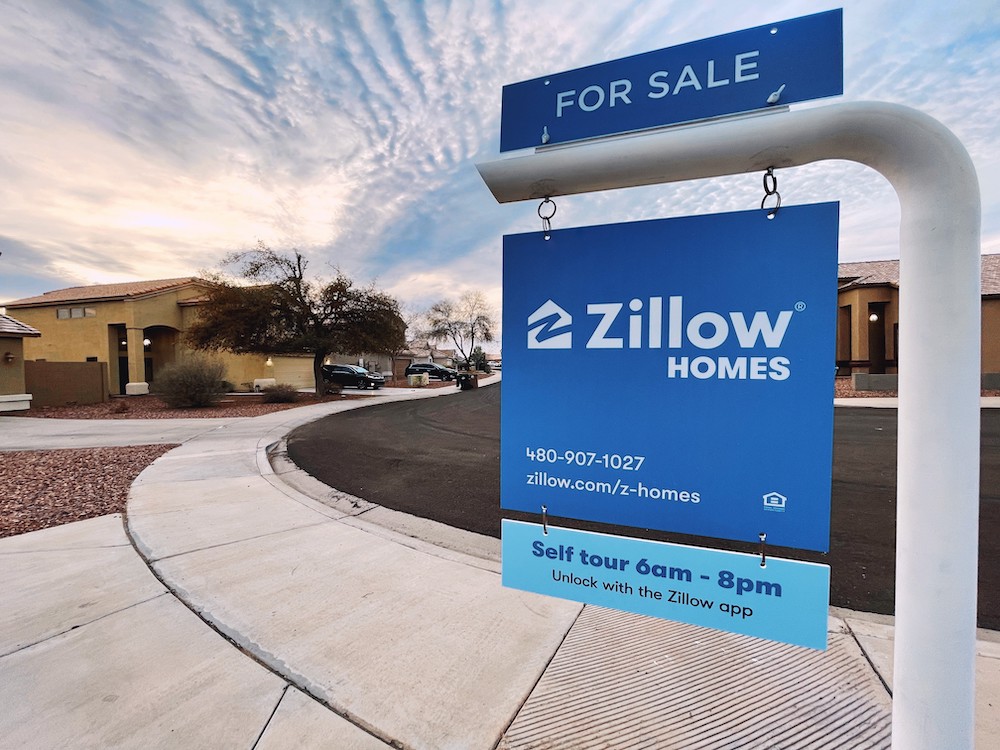
Now, with the settlement announced, Zillow is trying to turn the page. In a brief statement, a company spokesperson said, “We are pleased that the parties have reached a resolution on the matter.” It was a measured, almost subdued response, fitting for a company that has spent the last five years trying to rebuild its reputation after one of the most spectacular failures in recent tech history. If the judge grants preliminary approval, Zillow will pay the $212.5 million into a settlement fund within 20 business days, and the money will eventually be distributed to eligible investors. The settlement is not an admission of guilt, and Zillow continues to deny the allegations. But for the investors who lost money, the payment is a tangible acknowledgment that their losses mattered. For the broader business community, the case serves as a cautionary tale about the dangers of overpromising and underdelivering. It is a reminder that algorithms, no matter how sophisticated, cannot fully predict the chaos of the real world, and that corporate leaders have a responsibility to be honest about the risks their companies face. For Zillow, the company has moved on, focusing on its core real estate marketplace and listing businesses, with Wacksman now at the helm. But the scars of Zillow Offers remain. The for-sale signs that once dotted neighborhoods across America, bearing the company’s logo, have become symbols of a lesson learned the hard way. The settlement closes a legal case, but the story of Zillow Offers will live on as a reminder that in the high-stakes world of technology and real estate, humility is just as important as ambition. And for the thousands of people affected—investors, employees, and homeowners alike—the hope is that this chapter finally brings some measure of closure.