



1. A Shadow Over the Game: Confronting the Reality of CTE in Football
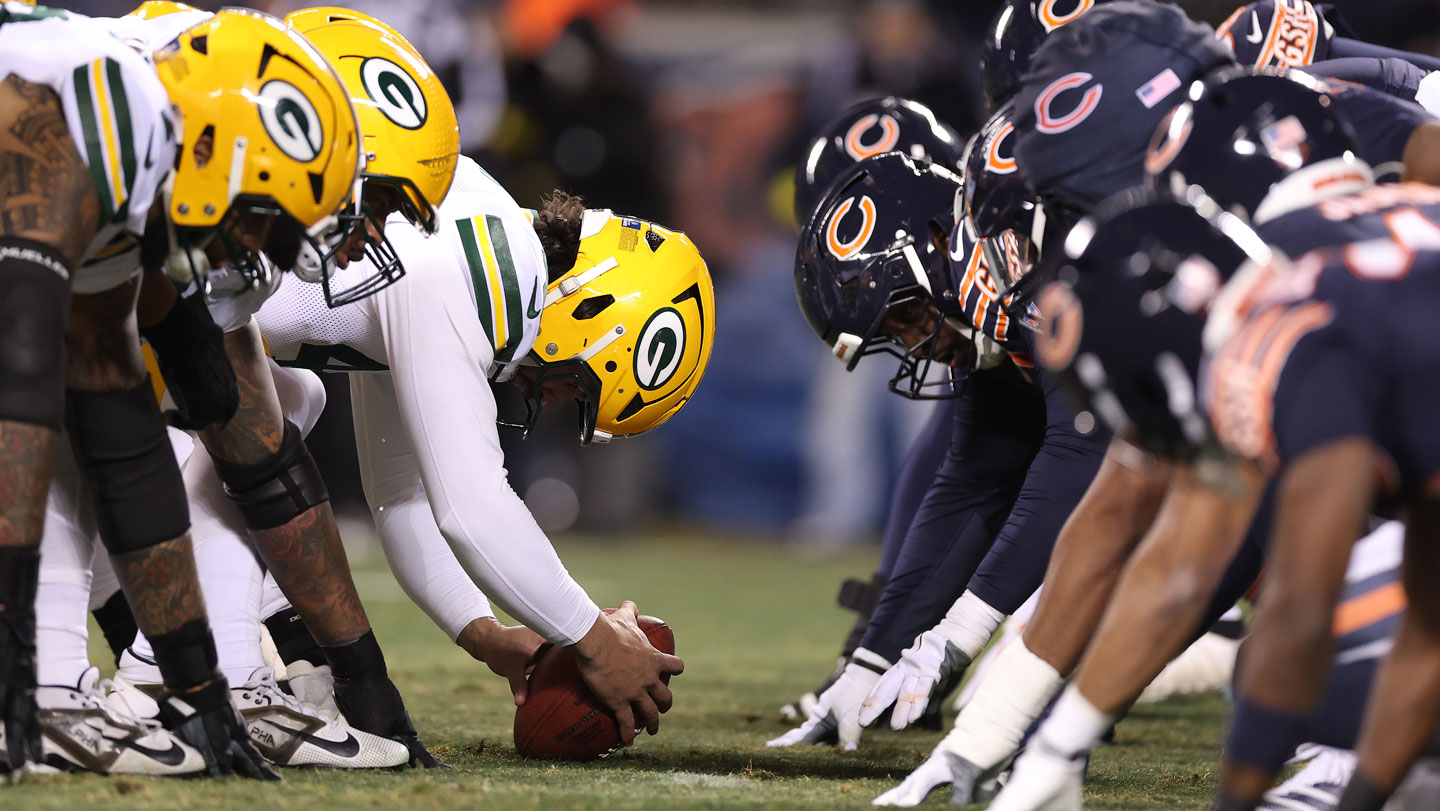
For decades, the roar of the crowd, the thunderous collision of helmets, and the glory of victory defined professional football. But beneath the surface of America’s most beloved sport lies a quieter, more troubling story—one that unfolds years after the stadium lights go out, in the private struggles of former players and the grief of their families. Chronic traumatic encephalopathy, or CTE, is a devastating brain disease that has increasingly come to symbolize the hidden cost of the game. It is a condition built silently, blow by blow, season after season, until it manifests in ways that can destroy lives: memory loss, explosive anger, confusion, depression, and a loss of control that bewilders the very person experiencing it. For too long, the true scale of this crisis remained murky, obscured by the limitations of science and the painful realities of who gets studied. But now, a groundbreaking new study has peeled back the veil, offering the clearest picture yet of just how widespread this condition may be among former NFL players. The findings are sobering: researchers now estimate that nearly three-quarters of former professional football players—about 74.5 percent—may have CTE at the time of their death. This is not a fringe issue affecting a handful of unfortunate souls; it is a public health reckoning for a sport that millions watch, and millions more play, every year. The number is not a condemnation of football itself, but rather a stark invitation to look deeper, to understand the risks, and to ask hard questions about how we protect the athletes who entertain us.
2. Understanding the Invisible Wound: What CTE Does to the Brain
To truly grasp the weight of this statistic, we must first understand what CTE is and how it takes hold. Unlike a broken bone or a torn ligament, CTE is an invisible wound, a progressive degenerative disease of the brain that is directly linked to repeated blows to the head over many years. It is not about a single dramatic concussion; rather, it is the cumulative effect of thousands of smaller, often unnoticed impacts—the routine collisions, the practice drills, the tackles that seem unremarkable at the moment but leave microscopic scars. Inside the brain, a protein called tau, which normally helps nerve cells communicate and maintain their structure, begins to malfunction. Instead of fulfilling its healthy role, tau folds abnormally and clumps together, forming tangled, damaging aggregates that slowly strangle brain cells from the inside. Over time, these tangled proteins spread through regions responsible for memory, emotion, and impulse control, leaving behind a landscape of devastation that can only be confirmed after death, during an autopsy. The symptoms of CTE are as tragic as they are varied: deepening confusion, difficulty concentrating, mood swings, depression, and impulsive, sometimes aggressive behavior. These changes often tear families apart, as husbands, fathers, and brothers become shadows of their former selves. The disease is not confined to football, either. It has been found in military veterans exposed to explosions, in survivors of domestic violence, and in athletes from other contact sports. Yet American football, with its violent collisions and long seasons, has become the emblematic arena for this disease, making the new research all the more urgent and relevant.
3. The Problem with Past Numbers: Why the 99% Figure Was Misleading
In 2017, a study made headlines with a shocking claim: that 99 percent of former NFL players whose brains were studied had CTE. The number was staggering, almost unbelievable—and for scientists, it raised a critical red flag. The problem was in how the brains were selected. The study relied on donated brains, and those donations were not a random sample of all NFL players. Families who chose to donate their loved one’s brain often did so because the player had struggled with severe symptoms during life—memory problems, erratic behavior, or depression—and they wanted answers. In other words, the very reason that drove families to donate was likely the same reason their relative had CTE. This created a profound selection bias, distorting the true prevalence of the disease among the wider population of former players. Imagine trying to estimate how common a certain illness is among all adults by only studying people who showed up at a clinic because they felt sick. You would inevitably overestimate the prevalence, because the healthy people—the ones who never sought help—would be missing from your sample. This is exactly the dilemma that plagued the 2017 study. The 99% figure, while deeply concerning, could not be taken at face value as a true population-level estimate. To understand how widespread CTE really is, scientists needed a more rigorous approach that accounted for why brains were donated, and that could extrapolate from the studied sample to the entire universe of former NFL players.
4. A New Method and a More Accurate Picture: The Boston University Breakthrough
The new study, led by a research team at Boston University and published in JAMA Network Open, tackles this bias head-on with a more sophisticated and honest methodology. The researchers looked at every former NFL player who died between January 2008 and December 2023—a cohort of over 2,300 men. Of those, nearly 400 had brain samples preserved in the university’s UNITE Brain Bank, allowing for definitive CTE diagnoses after death. The rest were identified using records from the U.S. National Death Index, a comprehensive national database. Crucially, the team investigated the factors that influenced whether a family chose to donate a player’s brain. Their analysis revealed a stark and important pattern: families of players who had displayed CTE-related symptoms during their lives were five times more likely to donate the player’s brain than families of players who had been symptom-free. This was the key to correcting the bias. By understanding the strength of this donation bias, the researchers could adjust their calculations, weighing the data from the brain bank against the broader population of deceased players who were not represented in the sample. The result is the first population-level estimate of CTE among NFL players ever produced: approximately 74.5 percent. This is still an alarmingly high number, suggesting that a sizeable majority of professional football players may be living with the disease at their death. But it is a far more credible and scientifically sound figure than the earlier 99 percent, offering a realistic baseline for understanding the true burden of CTE on the sport.
5. More Than a Number: What This Estimate Means for Public Health and the Future of Football
It would be easy to get lost in the statistics and forget the human lives behind them. But the significance of this 74.5 percent estimate extends far beyond a percentage point. Knowing the true prevalence of CTE is a critical first step in addressing it as a public health crisis. Without accurate numbers, researchers cannot gauge the full scope of the problem, cannot allocate resources effectively, and cannot measure whether rule changes or equipment improvements are actually reducing the risk of brain injury. This study also illuminates the heartbreaking dynamics within families. The fivefold increase in donation rates among symptomatic players suggests that many families are seeking answers for loved ones who changed dramatically before death. Their generosity in donating brains has paved the way for this new understanding, but it also reflects a deep well of suffering. For living players, the estimate is a stark reminder that their careers on the field may carry lifelong consequences. For the NFL and other sports organizations, it is a call to action—not to panic, but to intensify efforts to make the game safer, to improve diagnosis and treatment of brain injuries, and to support players long after they leave the field. It is important to note that the study is not without limitations. The estimate is based on a specific group of players and a particular time period, and it does not account for varying severity of CTE, or for players whose brains were never examined. But as a foundational measurement, it provides a compass for future research and a sobering benchmark that will guide policy discussions for years to come.
6. Honoring the Players: From Statistics to Compassion and Change
Behind every number in this study is a person—a young athlete who dreamed of playing in the NFL, a teammate who remembers his strength, a family who watched him struggle and fade. The 74.5 percent figure is not an abstract abstraction; it represents real men, real families, and real pain. And while the research is sobering, it should not be read as a final verdict of doom. Instead, it is an opportunity for compassion and change. We can honor the players who donated their brains by using the knowledge they gifted us to protect future generations. We can push for better helmet design, safer tackling techniques, and more thoughtful limits on repetitive head impacts. We can invest in research to find ways to diagnose CTE in living people, to develop treatments that might slow its progression, and ultimately to prevent it altogether. We can also extend grace and support to former players and their families, who often struggle in silence with cognitive decline and emotional turmoil. The story of CTE is not just a medical one; it is a moral one. It asks us to recognize the profound debt we owe to athletes who entertain us, and to decide whether we value their bodies as much as we value their achievements. As this new research settles in, let us not merely absorb the statistic, but let it move us to act. Let us remember that the greatest way to respect the dead is to protect the living. The revelation that three in four former NFL players may suffer from this disease is not the end of a conversation—it is the beginning of a more honest, more caring one about the future of football and the people who make it possible.