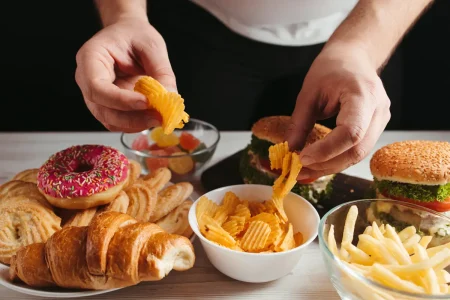



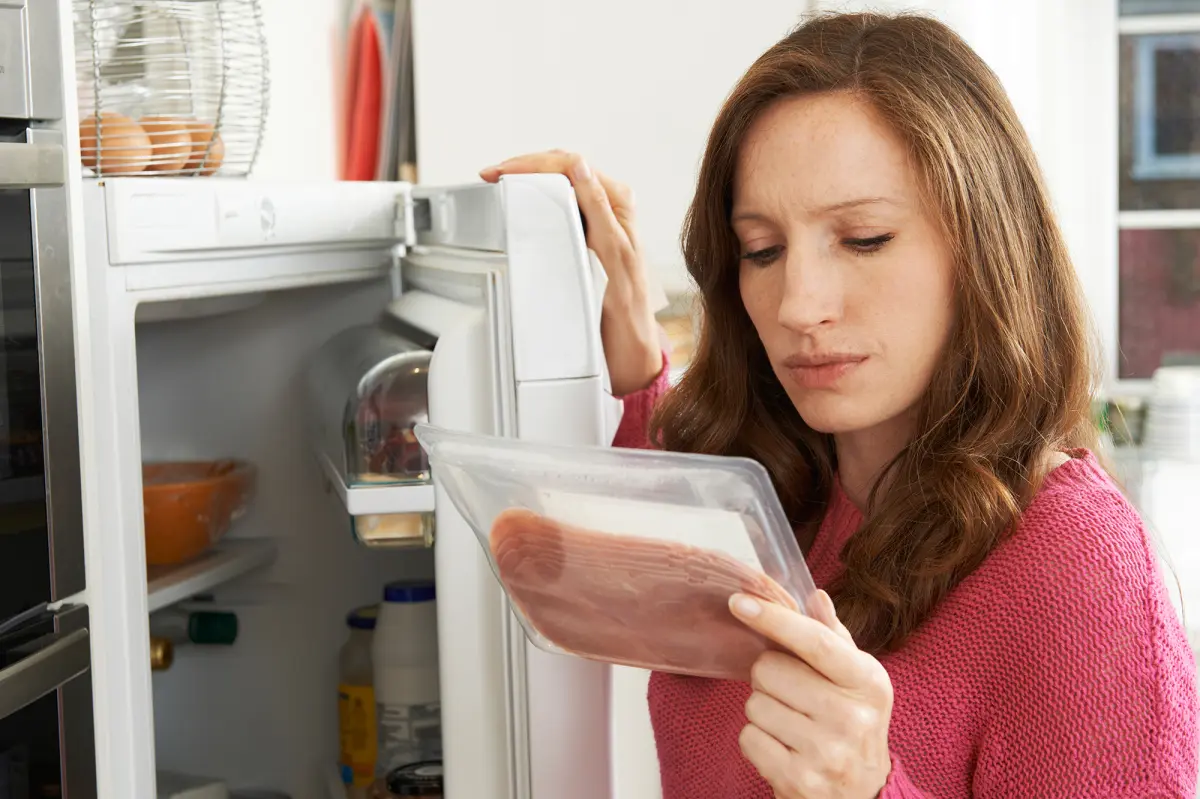
Imagine standing in the grocery store, grabbing a loaf of bread, a box of cereal, some deli meat for sandwiches, and maybe a protein bar for the afternoon. It feels like a fairly normal, reasonably healthy shopping trip. But according to new research, most of us are walking out of the store with far more ultra-processed foods in our carts than we realize. A survey of 2,000 American adults, conducted by Talker Research for Amy’s Kitchen, found that nine in ten people are eating ultra-processed foods without recognizing it. When asked to estimate their own diets, respondents guessed that only about 16% of what they ate was ultra-processed. But the Centers for Disease Control and Prevention paints a very different picture: ultra-processed foods make up roughly 53% of the average American’s diet. That means the typical person is underestimating their exposure by more than three times. The gap is staggering, but perhaps even more troubling is how deep the blind spot goes. Only 9% of Americans can correctly identify which foods actually count as ultra-processed. So the very foods many of us rely on every single day—sandwich bread, breakfast cereal, cold cuts, crackers—are quietly slipping into our diets in ways we don’t notice, don’t expect, and often don’t understand.
The confusion isn’t just about missing the obvious. It’s about actively misjudging foods on both sides of the spectrum. Many common staples that people assume are relatively wholesome are, in fact, ultra-processed: 42% of respondents didn’t realize sliced bread could fall into that category, 35% didn’t know breakfast cereal often does, and a third were surprised that deli meat and crackers are frequently ultra-processed. Meanwhile, foods that people tend to view as “safe” or even health-conscious choices—plant-based milks, protein bars, and granola bars—are often heavily processed too, and about half of respondents didn’t see that coming. But the misperception runs in the opposite direction as well. People are also suspicious of foods that don’t deserve it. Half of respondents thought pasteurized milk was processed, 40% flagged rolled oats, and some even mistakenly categorized canned beans, vegetables, and kombucha as ultra-processed. More than a third of Americans believe that any level of processing automatically makes a food “bad,” leading them to lump all jarred, canned, or frozen foods together with cookies and chips. It’s no wonder so many people feel lost. Half of respondents admitted they aren’t confident they know the difference between “processed” and “ultra-processed” at all, and 44% said they feel overwhelmed by the constant stream of conflicting information about what they should and shouldn’t eat. With that much noise, it’s easier to throw up your hands and just buy whatever fits the budget or tastes good.
This confusion carries a real price tag, and it’s far larger than most people imagine. The average American estimates they spend about $52 a week on what they consider “real” foods and another $40 a week on ultra-processed foods. Over a lifetime, that adds up to an estimated $128,149 just at the checkout counter. But that number only scratches the surface. Health economist Lindsay Allen, PhD, took a broader look at the financial consequences of a diet heavy in ultra-processed foods, factoring in healthcare spending, lost productivity, and other long-term costs. Her analysis found those hidden expenses can add up to more than $350,000 over a lifetime—on top of what people are already paying for the food itself. That’s a shocking figure, but it makes sense when you consider the toll ultra-processed diets take on the body over time: chronic conditions, doctor visits, missed work, medications, and even a shorter life expectancy, which carries an enormous economic weight of its own. As Allen put it, people tend to focus on the sticker price of food rather than the downstream cost of eating it. We see the number on the receipt, but we don’t see the invisible costs building quietly in the background. The survey found that people do have some sense that those costs are lurking. About a third anticipated extra expenses from physical health conditions, 21% worried about reduced productivity at work, and 17% feared losing wages to sick days. Still, there’s a wide gap between expecting vague future consequences and understanding just how much those consequences will really cost.
For most people, the struggle is much more immediate than lifetime projections. Every trip to the grocery store involves a juggling act between health, budget, and the reality of feeding a household. On average, respondents said they make three purchases a week driven purely by whim or craving, and another three driven by cost over what they’d consider the healthier option. That’s six decisions in a single week where values and desires are competing for space in the cart. When asked what actually matters most at the store, staying within budget came out on top for 31% of people, and buying foods their household will actually eat followed closely at 23%. In other words, survival and practicality often trump nutritional ideals. It’s not that people don’t care about eating well—it’s that the choice isn’t always available in a way that feels realistic. Twenty-one percent said they feel like they’re constantly choosing between their health and their wallet, and 20% said they struggle to find options they actually want to eat. That tension is exhausting, and it’s baked into the modern food system. When cheap, convenient, ultra-processed options are everywhere and whole foods are often more expensive, harder to find, or more time-consuming to prepare, the path of least resistance naturally leads in the wrong direction.
Despite all this, the survey reveals a surprising amount of openness to change. Many Americans are not oblivious to the issue, even if they misjudge their own consumption. Seventy-one percent said they think about how much ultra-processed food is in their diet, and 41% admitted they often feel torn about purchasing it in the first place. But there’s a powerful sense of resignation too: 61% believe ultra-processed foods are so common that they couldn’t avoid them even if they tried. That feeling of inevitability is understandable—ultra-processed products dominate store shelves, restaurant menus, and even the default options at work and school. Yet the same people who feel trapped also say they’re ready to make different choices under the right conditions. Forty-two percent said that if they knew buying ultra-processed foods would cost them more in the long run, they’d cut down. And perhaps most promising, 69% said they’d be willing to spend more on higher-quality groceries—almost $1,200 more per year—if it meant lowering their long-term health risks. That’s not the attitude of a population that has given up. It’s the attitude of people who are waiting for better options, clearer information, and a food system that doesn’t make the healthy choice feel like a luxury.
So where does the responsibility lie? According to respondents, primarily with food manufacturers. Twenty-eight percent placed the most responsibility for preventing these long-term costs on the companies making the food—more than on retailers, government, or even themselves. That may be because consumers are tired of doing the impossible math in the grocery aisle, trying to decode ingredient lists and figure out which claims can be trusted. Paul Schiefer, CEO of Amy’s Kitchen, summed it up well: consumers shouldn’t have to be food-processing experts just to understand what they’re eating or what it might mean for their health. With ultra-processed foods so deeply woven into the food system, he argues, transparency is essential. Tools like the Non-UPF Verified seal are designed to make the choice easier, giving people a simple, recognizable signal that a product hasn’t been ultra-processed. But seals and labels alone won’t solve everything. The larger challenge is cultural and systemic: making healthier, less processed foods more affordable, more accessible, and more appealing, so that the easy choice and the good choice become the same choice. The data from this survey shows that Americans are not naive. They know something is off. They’re overwhelmed, skeptical, and caught between cost and health. But they’re also willing to spend more, change their habits, and hold manufacturers accountable. What they need is a fair chance—a food environment where the truth is easier to see and the healthier path doesn’t require a degree in nutrition or a second job to afford.