


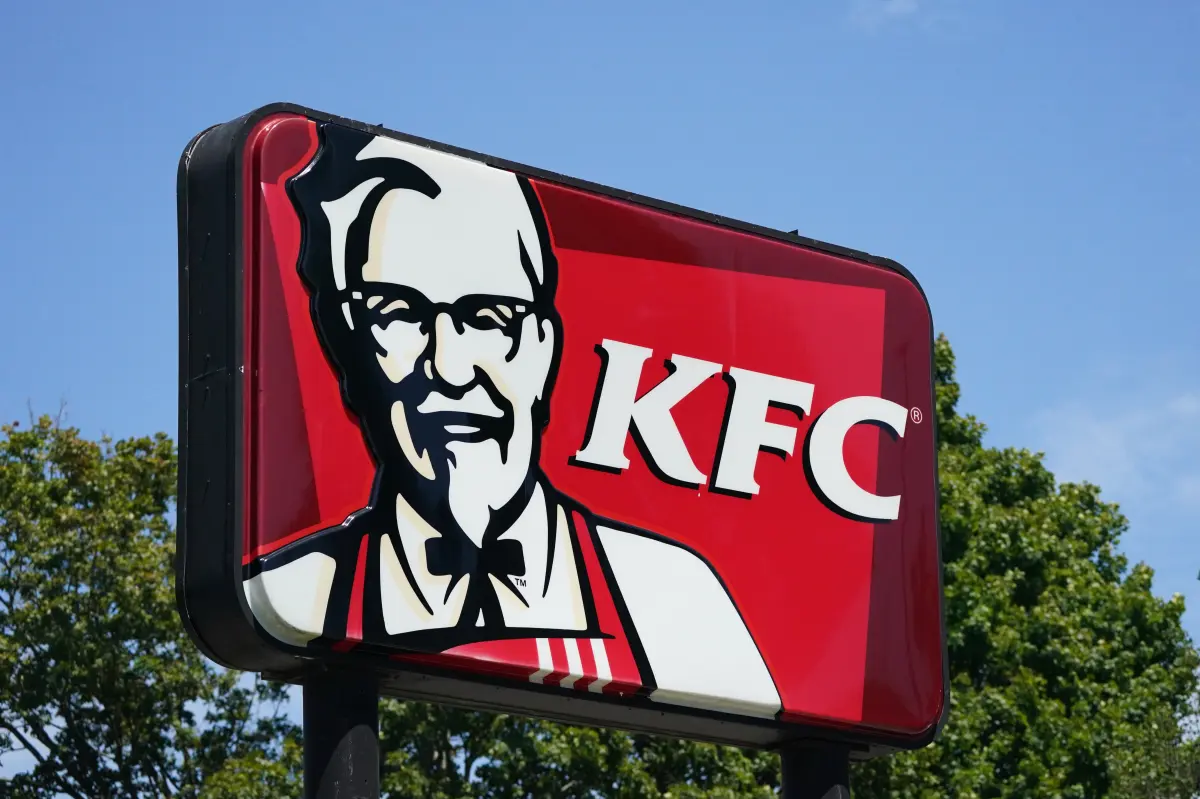
Some things in life feel as though they will never change. For millions of Americans, the combination of KFC and PepsiCo was one of those things. Walking into a Kentucky Fried Chicken restaurant, ordering a bucket of original recipe chicken, and pouring a cold Pepsi over ice was a ritual repeated in countless towns and cities for as long as most people could remember. That ritual is now about to be reimagined. On Thursday, KFC announced that it has signed Coca-Cola as its beverage partner for all of its United States restaurants. The move ends a relationship with PepsiCo that stretched back roughly forty years. It is the kind of corporate breakup that would have seemed almost unthinkable to the customers who grew up with the pairing, and it is the kind of news that can make even seasoned industry watchers pause and take notice. The change will not happen overnight. Coca-Cola products will be available at KFC’s 3,718 American locations by spring 2027. Financial terms were not made public, but the news, first reported by The Wall Street Journal, sent a clear signal through the food and beverage world. This is not a small regional deal or a minor adjustment in marketing strategy. It is a major realignment between two of the most familiar names in American consumer culture. For PepsiCo, it is a loss. For Coca-Cola, it is a victory. For everyone else, it is a reminder that even the most enduring brand relationships can eventually come to an end, no matter how permanent they may seem in the moment.
To fully appreciate the significance of this change, it helps to understand how the partnership began in the first place. PepsiCo was not always a sprawling food and snack conglomerate. It was a beverage company that made a deliberate and ambitious move into the restaurant business. In the mid-1980s, PepsiCo acquired KFC as part of a larger strategy to expand beyond soft drinks and into the broader world of food. The thinking was simple: if people were going to eat out, PepsiCo wanted to be there, pouring its products and profiting from every meal. Over time, the company also came to own other major fast-food chains, including Pizza Hut and Taco Bell. For a while, PepsiCo appeared to be building a restaurant empire that would allow it to control a significant portion of the American dining experience. But the strategy eventually changed. In 1997, PepsiCo spun off its restaurant businesses into a separate company that became known as Yum Brands. KFC, Pizza Hut, and Taco Bell were no longer part of PepsiCo. Even so, the beverage relationship did not end. PepsiCo continued to supply drinks to KFC and other Yum Brands restaurants, and the two companies kept working together as if the corporate split had never happened. In many ways, that arrangement made perfect sense. Their histories were deeply intertwined. They had grown up together, weathered challenges together, and built familiar habits in the minds of consumers. That is why this new announcement feels so significant. It is not the ending of a short-lived contract or a routine business decision. It is the closing of a chapter that has been part of the American fast-food landscape for generations. The relationship survived an acquisition, a spinoff, and countless leadership changes. Now, it has reached its limit in the United States.
The loss comes at a particularly difficult time for PepsiCo. The company has been working hard to improve soda sales in the United States, and the restaurant channel is one of the most important places where people choose their beverages. When a major chain like KFC decides to switch from PepsiCo to Coca-Cola, it means losing access to millions of customers who visit those restaurants every year. That is not just a financial setback. It is also a setback in terms of visibility, brand strength, and consumer habit. Every time a customer drinks a Pepsi with their meal, the brand becomes part of their daily life. When that opportunity disappears, it takes something important with it. PepsiCo’s snacks business, which includes some of the most well-known chip and snack brands in the country, is also facing serious challenges. Prices have risen, and many consumers are becoming more conscious about their health. Some are cutting back on processed snacks or seeking alternatives that feel fresher and more natural. Those shifts have made it harder for PepsiCo to maintain the kind of growth that investors expect. CEO Ramon Laguarta acknowledged the difficulty earlier this month when he said that growth and margin recovery were taking longer than planned. Those comments suggest a company under real pressure, not one that can easily brush off a high-profile loss. To make matters even more complicated, PepsiCo is being watched closely by activist investor Elliott Investment Management. The firm disclosed a stake in the company last year and has been pushing for changes. Elliott has asked PepsiCo to sell underperforming assets and improve its performance in North America. In that context, losing KFC could be seen as exactly the kind of setback that activists point to when they argue that change is necessary. It gives critics more ammunition and puts more pressure on the leadership team to respond quickly and convincingly.
The immediate reaction from industry observers captured just how much this matters. Jay Woods, chief market strategist at Freedom Capital Markets, said it plainly: “It is just a bad look for PepsiCo when you lose a big-name brand partner like that. This could be the optical straw that breaks the camel’s back.” Woods also remarked on how rare it is to see two giants in the same industry take such a different turn. It is worth noting that Freedom Capital Markets holds shares in Coca-Cola, so Woods is not an entirely neutral observer. But his words still point to a broader truth about how corporate relationships are perceived. In the business world, optics can be just as important as the underlying numbers. Losing a famous brand after decades together creates an impression of decline, even if the financial impact is manageable in the short term. Investors begin to ask questions. Employees start to worry. Competitors feel a surge of confidence. The phrase “optical straw” is particularly apt because it suggests that this one loss, on top of other challenges, might be enough to shift the narrative. No single event is likely to destroy a company as large as PepsiCo. But a series of losses, combined with rising costs and changing consumer tastes, can create a sense that momentum is moving in the wrong direction. Coca-Cola, meanwhile, gets to add another iconic name to its list of restaurant partners. The company already has long-standing relationships with McDonald’s and Wendy’s, two of the biggest burger chains in the country. Now it will also be pouring its products at KFC. For Coca-Cola, the win is about more than just the volume of soda sold. It is about positioning. Every restaurant account that switches to Coca-Cola makes the company look like the default choice for American fast food. And every account that PepsiCo loses makes it look like the company is falling behind. That perception can influence future decisions by other chains, making this one loss potentially more damaging than the immediate revenue loss suggests.
At the same time, it would be a mistake to assume that PepsiCo is disappearing from the restaurant world entirely. The company still has beverage agreements with Subway and Jersey Mike’s Subs, two large and well-known sandwich chains. It also operates the soda fountain at Pizza Hut, which is a significant account in its own right. Interestingly, Pizza Hut left the Yum Brands umbrella only this year, and it had switched to PepsiCo from Coca-Cola back in 2011. That history shows how these partnerships can shift over time, sometimes in surprising directions. PepsiCo also renewed agreements with Taco Bell and KFC International stores, according to a spokesperson. The Taco Bell agreement is a 10-year deal. So the relationship between PepsiCo and Yum Brands is not completely over. KFC International will continue to serve Pepsi products in many parts of the world, and Taco Bell will remain loyal to PepsiCo for years to come. But the loss of KFC in the United States is still a significant blow. It is one thing to lose a smaller or less visible account. It is another thing to lose a brand as deeply rooted in American culture as KFC. PepsiCo has also been through similar losses before. In 2012, the company lost Dunkin’ to Coca-Cola after serving as the donut chain’s beverage partner for five years. Those losses are not isolated incidents. They are part of a pattern that has gradually shifted the balance of power in the restaurant beverage market. Coca-Cola seems to be consolidating its hold on the most recognizable names in fast food, while PepsiCo is being pushed toward a smaller group of partners. The renewal of Taco Bell and KFC International deals offers some comfort, but it does not erase the sting of losing the domestic KFC account, which has been part of PepsiCo’s identity for so long.
Looking ahead, the switch will take some time to complete. Coca-Cola products will be available at KFC restaurants in the United States by spring 2027. That gives both companies enough time to manage the transition, from changing fountain dispensers to updating marketing materials and training staff. Financial details of the partnership have not been disclosed, so the exact value of the deal remains unknown. But the strategic implications are clear. KFC is making a statement about the kind of brand it wants to be associated with, and Coca-Cola is making a statement about its continued dominance in the quick-service restaurant sector. For consumers, the change will be felt in small but noticeable ways. The taste of a fountain drink can vary depending on the syrup, the carbonation, and the equipment, so some customers may notice a difference when they order a cola with their meal. Others may simply appreciate having the option to drink a Coke instead of a Pepsi. There will be a period of adjustment, but for most people, the experience of eating fried chicken will remain the same. The families at the tables, the workers behind the counters, the travelers stopping for a quick meal on the highway—they will still find the same food, the same familiar atmosphere, and the same sense of comfort that KFC has offered for decades. This story is ultimately about more than just beverages. It is about how companies navigate changing markets, how they respond to pressure, and how they make choices that will define their futures. PepsiCo has lost a long-time partner, but it still has opportunities to adapt and reinvent itself. Coca-Cola has gained a new one, and it will be eager to make the most of it. In the end, the news serves as a reminder that no relationship in business is guaranteed to last forever. Even partnerships that seem as natural as KFC and PepsiCo can eventually run their course, leaving behind memories, lessons, and the simple truth that change is the only constant in the world of commerce.