

-
Imagine scrolling through your social feed and seeing a promo for a brand-new dating show. There’s a sweeping shot of a grand mansion, a man in a crisp tuxedo holding a single red rose, and delicate rose petals drifting through the air. For millions of viewers, those images don’t just say “romance”—they say The Bachelor. That instant recognition is exactly why Warner Bros., the company behind the long-running reality franchise, is now locked in a legal dispute with Fox News Media over promotional material for an upcoming series called The Vow. Warner Bros. has sent a cease-and-desist letter alleging that the teaser for The Vow borrows protected elements associated with The Bachelor, and the fight has quickly become one of the more talked-about entertainment stories of the week. At the heart of the conflict is a simple but thorny question: Can anyone really own the visual language of modern dating shows, or are roses, tuxedos, and mansions just part of the genre’s shared vocabulary? The answer isn’t as straightforward as it might seem, and the outcome could have ripple effects across reality television for years to come.
-
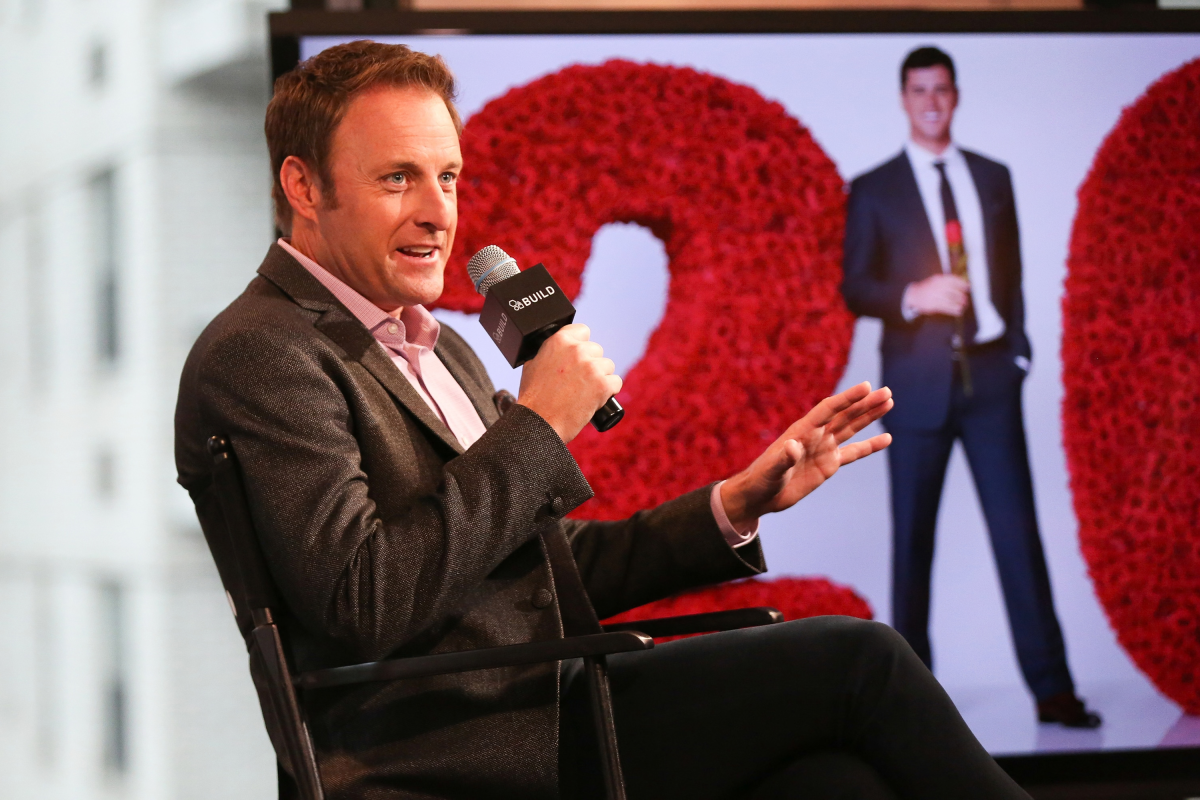
According to the cease-and-desist letter, which was first reported by Variety, Warner Bros. claims that the The Vow teaser includes several specific elements that evoke its beloved franchise: falling red rose petals, direct references to The Bachelor, a tuxedo-clad man holding a rose, and a mansion backdrop that the studio argues calls to mind the iconic setting where so many seasons of love and heartbreak have unfolded. Warner Bros. says the trailer appears designed to capitalize on the goodwill built by The Bachelor over more than two decades, essentially suggesting that Fox is trying to borrow the show’s cultural weight to launch its own competition series. The Vow, for its part, is described as a dating competition that follows single men and women exploring whether shared values and long-term commitment can lead to lasting love. It’s scheduled to premiere in November and is hosted by Chris Harrison, the man who fronted The Bachelor from 2002 until 2021—a detail that adds an extra layer of intrigue to the whole situation. Fox, however, has rejected the accusations outright, arguing that Warner Bros. does not own exclusive rights to common romantic imagery or to the ordinary use of the phrase “the bachelor.” In Fox’s view, the teaser is simply playing with familiar dating-show tropes, not trying to pass itself off as an official Bachelor product.
-
To help make sense of the legal arguments, Newsweek spoke with Madison Karsenty, a partner at Donaldson Callif Perez LLP, and her take suggests Warner Bros. may face an uphill battle if it tries to claim ownership of broad, genre-wide imagery. “Fox has a strong argument that red roses, falling rose petals, tuxedos and mansion imagery are not protectable on their own,” Karsenty said. She explained that courts generally exclude stock genre elements and standard conventions when evaluating copyright claims. In other words, you can’t trademark the idea of a romantic gesture or the setting of a luxurious home simply because your show popularized them. But Karsenty also noted that Warner Bros. isn’t necessarily without options. The studio’s strongest argument, she said, isn’t that it owns roses or romance-themed visuals, but rather that Fox copied the specific creative execution of Bachelor promotional materials. If the teaser closely tracks the lighting, pacing, shot sequence, graphics, music, layout, and overall feel of identifiable Bachelor promo assets, then Warner Bros. has a much more plausible copyright theory. Based on publicly reported facts, however, Karsenty believes the copyright claim appears vulnerable unless Warner Bros. can point to similarities involving specific protected expression rather than familiar dating-show motifs. That distinction between general ideas and specific execution is likely to be the battleground if the case moves forward.
-
Chris Harrison’s involvement adds another fascinating wrinkle to the dispute, though not necessarily in the way you might expect. Harrison isn’t just any host; for nearly two decades, he was the face of The Bachelor, guiding contestants and audiences through countless seasons of rose ceremonies, dramatic exits, and fairy-tale proposals. His voice alone can trigger a wave of nostalgia for the franchise. Karsenty said that while Harrison’s presence doesn’t create a copyright issue on its own, it could strengthen Warner Bros.’ trademark arguments. Warner Bros. has acknowledged that it doesn’t object to Harrison hosting another dating show—he’s free to work in the genre, after all—but the dispute focuses on how he is presented alongside imagery that audiences may associate with The Bachelor. The combination of rose-related visuals, direct references to The Bachelor, and Harrison’s appearance could give Warner Bros. a stronger argument that consumers might perceive a connection between the two programs. “The issue is whether the teaser uses Harrison together with Bachelor-specific cues in a way that suggests affiliation, sponsorship or approval by The Bachelor franchise,” Karsenty said. At the same time, Fox has several potential defenses. One is that the teaser uses references to The Bachelor in an expressive or parodic way rather than as branding. Karsenty pointed to lines such as “Expecting someone else?” and “Roses fade…” as examples that might support that interpretation. Those kinds of playful nods could be seen as commentary on the dating-show landscape rather than an attempt to confuse viewers.
-
This isn’t the first time a reality TV company has tried to protect its format or branding from a competitor, and history suggests that these cases are often difficult to win. Karsenty pointed to the 2012 legal fight between Big Brother and ABC’s The Glass House as a useful comparison. In that dispute, CBS argued that The Glass House copied key aspects of Big Brother’s reality-show format, including the way contestants were isolated and monitored. A court declined to block the competing series, reasoning that reality television formats often rely on broad concepts rather than highly specific, protectable creative expression. That ruling could help Fox if Warner Bros. is attempting to claim ownership over common dating-show features or genre conventions. However, Karsenty was careful to note that the comparison isn’t exact. Warner Bros.’ claims focus primarily on marketing materials rather than the underlying concept of a reality dating competition. That distinction matters because promotional content is often treated differently than the format of a show itself. A teaser can be more easily compared to a specific copyrighted work, like a movie trailer or a commercial, whereas a show’s overall concept is harder to pin down. Still, the Big Brother case shows that courts are often skeptical of attempts to monopolize ideas that are common across a genre, especially when those ideas are as widely used as roses and romantic settings.
-
So what happens next? Fox has maintained that the references in the teaser are protected speech and that imagery such as falling roses has been used across film and television for decades. Warner Bros., for its part, has not publicly expanded on its allegations beyond the cease-and-desist letter, though the studio’s legal team is presumably preparing its next move. Newsweek contacted Fox Nation and Warner Bros. via email for comment on Wednesday, but neither side has offered much public detail beyond their initial statements. If the dispute continues, the central question will likely be whether viewers would reasonably believe The Vow is connected to or endorsed by The Bachelor, or whether the teaser merely references a well-known television franchise while promoting a separate show. That’s a nuanced question, and the answer may depend on how the average viewer actually interprets the promo. Do they see a clever homage, or do they feel misled? Beyond the immediate legal battle, this case could influence how competing reality shows market themselves in the future. If Warner Bros. wins, other networks might become more cautious about using romantic imagery that evokes a rival franchise. If Fox prevails, it could open the door to more playful, referential marketing across the genre. For now, both sides are digging in, and fans of reality television are left watching a different kind of drama unfold—one that takes place not in a mansion, but in the courtroom.