


A Day at Sorrento Beach Turns to Tragedy
The morning of Friday began like so many others along the sun-drenched coastline of Western Australia, where the Indian Ocean sparkles under a cloudless sky and locals and visitors alike are drawn to the water’s edge to swim, surf, and find peace. Sorrento Beach, in the quiet northern suburbs of Perth, has long been a place of family gatherings, long golden walks, and the simple ritual of a daily ocean swim. But on that Friday, the ordinary rhythm of life was shattered in a matter of seconds. Greg O’Neill, a 63-year-old father and devoted grandfather-to-be, was enjoying a swim in those familiar waters when he was attacked by a shark. The event unfolded in front of horrified beachgoers, many of whom had come to the beach expecting a relaxing day and instead witnessed something no amount of sun, salt, or shoreline could ever wash away. Ryan Rowe, a local resident who arrived at the beach shortly after the attack, described the scene in stark, visceral terms. “I couldn’t believe there was that much blood (that had) come out of a human body,” he told The West Australian newspaper. The words are chilling, but they also reveal a deeper truth: in an instant, a vibrant human being, a father, a friend, a man who loved the ocean, was reduced to a tragedy that would echo across a community and the entire country.
The attack on Greg O’Neill was not a distant event reported from some remote outpost; it happened in broad daylight, in waters familiar to many, and in front of people who will carry the memory with them forever. Witnesses said O’Neill was swimming with a friend when the shark struck. There is perhaps no more devastating an image than that of a companion helplessly watching as a beloved friend is taken, and then having to live with the haunting thought that they could have done something, anything, to change the outcome. Darrel Haythornthwaite, another witness, told Nine Network television that he was still processing the shock when he spoke with O’Neill’s swimming companion. “I was just shocked. I mean, I feel for his mate,” Haythornthwaite said. He then described the heartbreaking moment when O’Neill’s friend approached him, weighed down by guilt and grief. “He’s apologized and said ‘I didn’t save my mate’ … I said, ‘You couldn’t have done anything.'” Those words are a tragic reminder of how helpless bystanders and even close friends can be in the face of such sudden violence. Police have not confirmed whether O’Neill’s remains have been recovered, but they have stated with somber certainty that they are confident the “swimmer died as a result of the attack.” The absence of closure, the incomplete way in which such a life is ended, adds another layer of pain for those who loved him. That his friend apologized, as if he bore responsibility, is a poignant glimpse into the human toll of the attack—a toll that extends far beyond the victim himself.
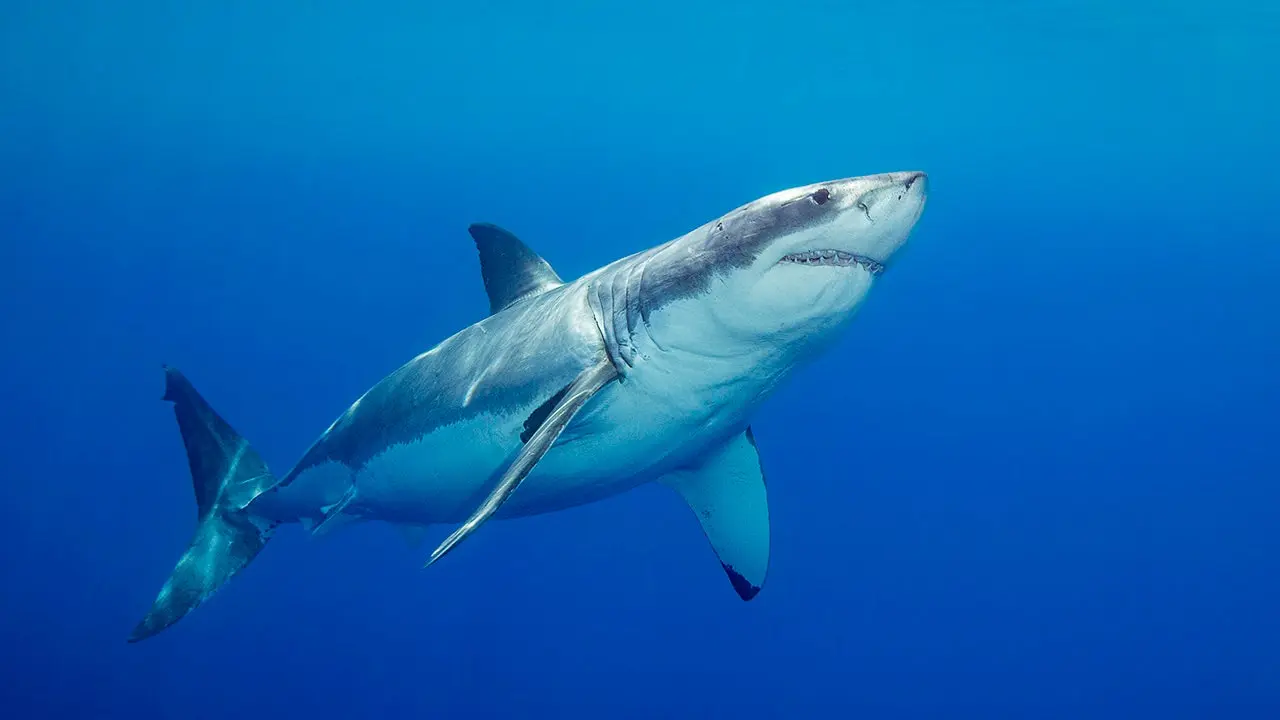
In the wake of the tragedy, the response from Australian authorities was immediate and, for many, surprising. Jackie Jarvis, Western Australia’s fisheries minister, made a rare and controversial decision to allow a “catch-and-kill” of the great white shark believed to be responsible for the attack. This is no small matter, as great white sharks are a protected species in Australian waters, and lethal control measures are not undertaken lightly. Jarvis explained the decision with a careful weighing of priorities. “In making that decision, I considered the exceptional circumstances of the attack, the hazard posed by the shark, and the potential recovery of coronial evidence,” she said. The statement, measured and bureaucratic as it may sound, reflects the enormous pressure on authorities to respond decisively in the aftermath of a publicly witnessed fatal attack, while also balancing ecological conservation, public safety, and the desperate need of a grieving family for answers and remains. To some, the decision to hunt and kill the shark is an act of justice and prevention; to others, it feels like a futile and misguided response to an ancient predator doing what predators do. There is no easy answer. Australia’s relationship with its ocean wildlife has always been complicated, marked by respect, fear, and a painful awareness that the sea is not a theme park but a wild and untamed world. The minister’s reasoning, however, reveals the human desire to do something, anything, in the face of senseless loss. The “catch-and-kill” order speaks to a community’s need to assert control, to remove the threat, and perhaps, in some small way, to honor the memory of a man whose life was cut short in a place he loved.
The family of Greg O’Neill is left to navigate the unfathomable terrain of sudden and violent grief. In a statement to ABC News Australia, they described him not as a statistic, not as a headline, but as a deeply loved member of their family: “Our family is deeply shocked and devastated by the terrible tragedy that took the life of father, grandfather-to-be, brother, uncle, husband and friend, Greg James O’Neill.” Each word in that list—father, grandfather-to-be, brother, uncle, husband, friend—represents a relationship, a future, a promise now broken. They remembered him as “a generous, devoted family man that gave his children so much love, care and opportunity.” It is easy to imagine Greg as a regular, wholesome presence: a man who cheered from the sidelines at children’s sports games, who shared stories over family dinners, who worked hard and laughed easily, and who looked forward to the arrival of a grandchild, a role he would never get to fulfill. “Greg loved the ocean and was known as a passionate swimmer, sports lover, dedicated worker and an all round generous, witty guy,” the family continued. That last phrase, “all round generous, witty guy,” is especially poignant. It speaks to a personality, a warmth, a presence that can never be replaced. The family expressed gratitude for “the kind thoughts and support from everyone who has reached out,” a reminder that even in the darkest moments, community can be a source of light. But no amount of sympathy can bring Greg back, and no words from strangers can erase the image of a loving father being taken from his children and a grandfather-to-be missing the birth of a grandchild.
Greg O’Neill’s death is not an isolated incident; it is part of a heartbreaking pattern that has made 2025 a year of mourning for shark victims across Australia. O’Neill was the fifth person to die in a fatal shark attack in Australia this year, a grim statistic that has caught the attention of the nation and reignited debates about ocean safety, shark populations, and the human tendency to forget that our world is shared with other beings. Earlier in the year, a 12-year-old boy was killed in Sydney Harbour in January, a tragedy so close to a major city that it felt as though no swimmer was immune. Then, between May and June, three spearfishing divers were killed in separate attacks, each one a skilled and experienced person who had chosen to enter the water, accepting an inherent risk that no amount of skill can fully mitigate. More recently, even as authorities were grappling with O’Neill’s death, a surfer suffered a serious leg injury in a shark attack about 250 miles north of Perth on Monday. These are not just numbers; each is a life, a family, a story left unfinished. The names of the victims are mourned by parents, siblings, children, partners, and friends. The survivors, like the surfer with the leg injury, are left to face months of physical recovery and years of psychological trauma. The grief is not confined to one family or one beach; it spreads like ripples across a vast and beautiful coastline, reminding Australians again and again that the ocean, for all its splendor, remains a place of unpredictable and sometimes deadly encounters.
In the end, the story of Greg O’Neill is not simply a story about a shark attack. It is a story about the fragility of human life and the eternal, unresolved tension between our love for the natural world and its unyielding wildness. Greg loved the ocean; it was his sanctuary, his place of exercise and peace. There is an aching irony in the fact that something he loved so deeply was also the setting for his death. And yet, perhaps there is also a kind of poetic truth in it: many people who love the sea would say that to die in the ocean is to die in a place they loved, though no family is ever ready for such a loss. As Australia debates shark control measures, protected species, and the delicate balancing act between human safety and conservation, Greg O’Neill’s face should remain in the minds of those making the decisions. He was not just a victim; he was a man who brought warmth to the world, who was devoted to his family, and who looked forward to the joy of holding a grandchild. His family will forever have a hole in their hearts, and a future grandchild will grow up hearing stories about a grandfather they never had the chance to meet. The world continues to spin on its axis, the waves still break along Sorrento Beach, and people still swim there, perhaps with a bit more trepidation, perhaps with a new awareness of the depths beneath them. But for those who loved him, the world has changed forever. Greg O’Neill’s name will be remembered, his laughter will be missed, and his death will remain a painful reminder that even in the most beautiful places on Earth, life can change in an instant. And as his family grieves, they asks us all to remember him not for how he died, but for how he lived: generously, devotedly, with love, care, and the joyful humor he shared with everyone who was lucky enough to know him.