



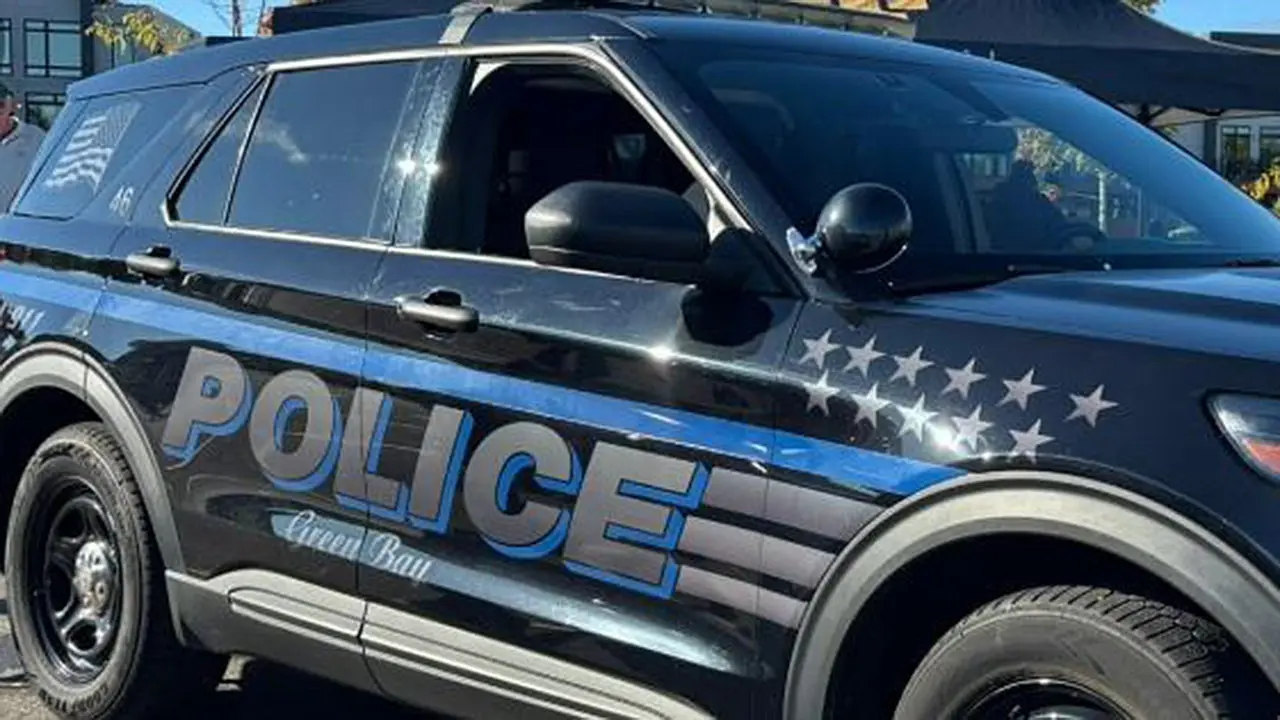
In the stillness of a Wisconsin night, when the streets of Green Bay should have been winding down toward the quiet promise of a Saturday morning, chaos erupted instead. It was roughly 2:15 a.m. when officers from the Green Bay Police Department were called to a disturbance near a food truck. A food truck at that hour is more than just a place to grab a late-night bite; it is a gathering spot, a warm glow in the darkness where people linger after hours, sharing stories and laughter, often fueled by the reckless abandon of a night out. But on this particular morning, that gathering spot became the scene of a sudden, violent disruption. The officers arrived knowing they were walking into an unpredictable situation, the kind of call that can shift in an instant from routine to dangerous. They were attempting to take some people into custody, a standard part of the job, when the world turned upside down. A car surged toward the crowd, bearing down on both bystanders and the officers who had come to protect them. In that split second, one officer made a choice no one ever wants to make: they fired their weapon at the oncoming vehicle. The sound of gunfire split the night, and suddenly a scene of late-night snacks and levity had become a tableau of trauma, fear, and the raw instinct to survive.
In the chaos that followed, the suspect did not stop. Instead, the driver fled the scene, turning a terrifying encounter into a harrowing pursuit through the streets of Green Bay. There is something deeply unsettling about a vehicle turned into a weapon, the everyday machinery of our lives transformed into a source of mortal danger. The officers, despite the shock and the injuries they had already sustained, did not give up. They pursued the fleeing car, their adrenaline pumping, their training kicking in, the city becoming a blurred maze of headlights and sirens. The chase was short, but no less intense for its brevity. Eventually, the officers executed a PIT maneuver—a tactical technique in which a police vehicle intentionally makes contact with the suspect’s car to force it to spin and stop. It is a move that requires precision, nerve, and a deep understanding of both the vehicle and the environment. When the car finally came to a halt, the driver was taken into custody without further incident. The immediate threat was over, but the aftermath had only just begun. The suspect was later booked on suspicion of operating a vehicle while intoxicated, a charge that carries with it a heavy weight of implications, especially in a case where law enforcement officers were injured and where a firearm was discharged in the line of duty.
Four officers were hurt that morning. Their injuries were not life-threatening, a phrase that brings a small measure of relief but cannot erase the stark reality that four human beings had to be transported for medical treatment, four families received calls they never want to receive, and four public servants were reminded in the most visceral way possible that their jobs can turn deadly in an instant. The physical wounds may heal, but the emotional scars of such an event often linger far longer. As the sun began to rise over Green Bay, the city began to grapple with the implications of what had happened. Green Bay Police Chief Chris Davis addressed the media with a mix of caution and candor, explaining that the department did not yet know if the driver was connected to the original disturbance near the food truck. He also revealed a detail that complicates the narrative further: a couple of the officers’ injuries occurred before the vehicle ever drove into the crowd, during the initial attempt to take people into custody. This is the messy, tangled reality of police work—each incident is a knot of decisions, actions, and reactions, and unraveling it takes time, patience, and careful investigation.
The incident in Green Bay is not an isolated event; it is part of a larger, troubling pattern that has become all too familiar across the United States. Every day, officers respond to calls that place them in harm’s way, and every day, the consequences of intoxicated driving and reckless behavior ripple outward, touching not just the individuals involved but entire communities. The phrase “pursuit” and “PIT maneuver” are clinical terms, but behind them are real people in real fear, making life-or-death choices at speeds that leave little room for error. The suspect, now in custody, is a person too—someone who made a catastrophic decision, possibly under the influence, and whose actions will now be scrutinized under the unforgiving light of public attention. The Brown County Sheriff’s Office will assist in investigating the officer-involved shooting, a standard procedure in such cases, but one that underscores how carefully and thoroughly these events must be examined. The investigation will ask difficult questions: Why did the driver move toward the crowd? Was it an act of desperate recklessness, a deliberate choice, or a tragic accident fueled by too many drinks? Could anything have been done differently? These questions have no easy answers, and the community will have to wait for the facts to emerge from the fog of that chaotic night.
But beyond the proceedings and the paperwork are the human stories that often get lost in the headlines. The officers who were injured likely have children who will hug them a little tighter now, partners who will check on them in the middle of the night, parents who will oscillate between pride and fear every time they hear a siren. The officer who fired their gun will carry the weight of that moment forever, no matter the outcome of the investigation. They will replay the scene in their mind, asking themselves again and again if there was another way, even as they know in their heart that they were protecting innocent lives. And the bystanders, the people who had gathered at that food truck for a taste of normalcy, will now carry a different kind of memory. They will remember the screech of tires, the flash of gunfire, the sudden violence that shattered the calm. Communities like Green Bay are close-knit, and when something like this happens, the shock waves travel far beyond the immediate scene. Neighbors will talk over fences, parents will discuss the incident with their children, and for a time, the city will feel a little less safe, a little more fragile. It is a reminder that safety is not a given; it is a fragile illusion that can be undone in a single, terrible moment.
In the days ahead, the city of Green Bay will do what communities do best: it will come together. There will be prayers for the injured officers, expressions of gratitude for their bravery, and demands for answers about the suspect and the circumstances that led to such a violent encounter. The police department will continue its investigation, Brown County will lend its expertise, and the legal system will take its course. But underneath all of this is a deeper need—a need to understand how a quiet Saturday morning turned into a scene of gunfire and pursuit, how a night of enjoying street food could end with four officers in the hospital and a driver behind bars. There are no easy lessons, no neat conclusions. There is only the stubborn resilience of people who refuse to let fear define their community. The officers who were injured will recover, hopefully, and return to their posts, because that is what they do. The suspect will face justice, whatever that may look like. And the city will continue to move forward, carrying the memory of this night with it, hoping that it never happens again. It is a somber story, but it is also a story of survival, of quick thinking, of people who ran toward danger when every instinct screamed to run away. In that sense, it is deeply human—filled with both our capacity for recklessness and our capacity for courage. The investigation will bring clarity, but the resolution will come not in a report or a press conference, but in the quiet moments when the people of Green Bay look out at their city and decide that they will not let one terrible morning define them. They will heal, they will remember, and they will move forward—together.