



Here is a summary of the key stories from GeekWire for the week of August 16, 2026, presented as a narrative overview.
—
The week began with a striking investigation from the tech news outlet 404 Media, which utilized a modern tracking device in a way that highlighted the opaque journey of goods through the modern supply chain. By placing an Apple AirTag inside a rare book, they were able to follow its physical path from a point of sale all the way to an Amazon warehouse in Las Vegas. There, the investigation uncovered a secretive process where a team dedicated to the effort painstakingly cuts the bindings off incoming books and scans the pages. This unconventional reporting method has its roots in a non-profit group based in Seattle, underscoring the kind of experimental journalism that can expose the hidden workings of major corporate systems. The story revealed not just the destination of a single book, but a whole industry practice that most consumers never see, adding a layer of intrigue to the weekly news cycle.
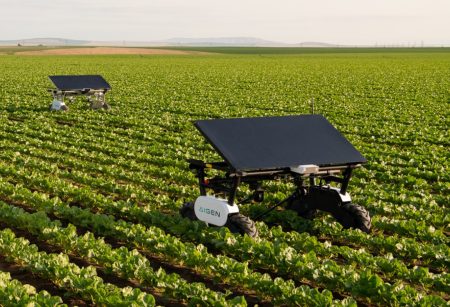
A year after GeekWire questioned the presence of superstar AI startups in Seattle, two local venture capitalists offered a compelling new answer. Instead of software companies, Nate Bek of Ascend and Ben Eisinger of Plug and Play argued that the region’s most promising AI ventures are the ones building physical things that interact with the world. These “superstar” startups are not writing code for chatbots, but rather they are constructing rockets, developing geothermal power plants, and designing autonomous off-road vehicles. This guest opinion reframed the narrative around Seattle’s AI scene, suggesting that the integration of artificial intelligence with hardware and physical systems is where the region’s most groundbreaking work is occurring. It paints a picture of an ecosystem that is built on a foundation of engineering talent and bold ideas that go deeper than pure software, pushing the boundaries into the realm of energy and aerospace.
On the business side, the corporate restructuring of Qualtrics captured the ongoing pressures faced by tech companies to find efficient operational models. The company, which is an enterprise software firm, laid off employees across its offices in Seattle, Provo, and other international locations, just three months after closing a monumental $6.75 billion acquisition of Press Ganey Forsta. While Qualtrics declined to disclose the exact number of job cuts, a WARN notice was reviewed by GeekWire that indicated at least 50 positions were eliminated at its Seattle headquarters. This news served as a reminder that even after strategic acquisitions, companies are often forced to contend with significant integration challenges, leading to workforce adjustments in an effort to streamline operations and achieve profitability. The layoffs reflect the ongoing trend of major tech firms realigning their resources to remain efficient in a competitive market.
In a story reflecting the intricate relationship between tech innovation, national priorities, and local economies, the defense sector’s footprint continued to evolve in the Seattle region. Following the U.S. Navy’s abrupt cancellation of a key unmanned warship program, defense giant Anduril quietly wrapped up its operations at a shipyard on Seattle’s Lake Washington Canal. This closure happened even as the company’s broader regional footprint continues its rapid expansion, with plans to surge toward 1,000 local engineers. The company’s unmarked Bellevue office is a hub for developing augmented reality glasses, digital night vision, and edge computing hardware for the U.S. military, according to a tour GeekWire was granted. Senior vice president Tom Keane was open about the company’s ambitions, noting that the regional engineering workforce could easily grow further, indicating a significant shift for an area known for civilian tech, as it decisively invests in frontier defense technologies.
This week also brought news of high-level executive movements and organizational changes, often directly tied to the rise of artificial intelligence. Expedia Group is parting ways with at least eight of its vice presidents and senior vice presidents as it reorganizes its entire product and technology organization around AI, according to an internal memo obtained by GeekWire. The memo, from the company’s product and technology chiefs, also names five leaders who were promoted, further signaling a strategic shift. In another move, an AWS director who launched Oracle Database@AWS has joined Oracle, a significant talent swap between the two cloud rivals. This was one of several people on the move in the broader tech world, which included Seattle Children’s naming a Stanford informatics leader as its new CIO and Zillow filling a newly created chief legal and policy role, as well as a former Convoy executive’s new position at Uber Freight. These changes and the ones at Expedia highlight how companies across the board are jockeying for talent and reshaping their leadership teams to navigate the changing technological landscape.
The week’s news also included the increasingly critical reliability of our digital infrastructure. A major coding platform, GitHub, experienced a major outage of over three hours, affecting its website and its popular code review and automated build systems. The outage also impacted the platform’s AI-powered assistant, an indication of just how large-scale data and processing need surpasses the platform’s capacity planning, a problem exacerbated by the meteoric rise in AI coding tools. This event sparked discussions about the critical dependencies inherent in the modern software development. Additionally, a different kind of operational challenge was being addressed at a local level with a $5.2 million investment in the King County Library System in Renton, in an effort to handle the 25,000 items that move through its 50 libraries each day using robotic arms to destack totes every 15 seconds. It was a week that highlighted the deeds of both power and innovation, with all the work being done to keep up with the pace of our digital and industrial lives.