

In the often-unforgiving world of retail, where customer experience is paramount and every inch of the store is curated to project a specific image of success and comfort, the line between private enterprise and public space is rarely more starkly highlighted than during a brand crisis. This very scenario played out recently within the polished, nostalgic confines of an Aviator Nation storefront, a location that would become the unintended stage for a raw, city-hall-level social drama. The luxury clothing retailer, famed for its heavy price tags and distinct 1970s California aesthetic, found itself at the center of a viral social media firestorm. What began as a quiet afternoon of air-conditioned window shopping for one man—albeit a man without a home—swiftly morphed into a polarizing online debate about homelessness, corporate responsibility, the ethics of public reaction, and the stark, uncomfortable dissonance between the haves and the have-nots. The incident, captured on a phone, was set to challenge everyone’s perceptions about who belongs where, and at what cost a moment of quiet rest can be purchased in a world that has priced mercy and privacy out of reach.
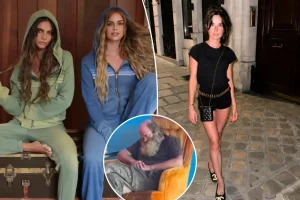
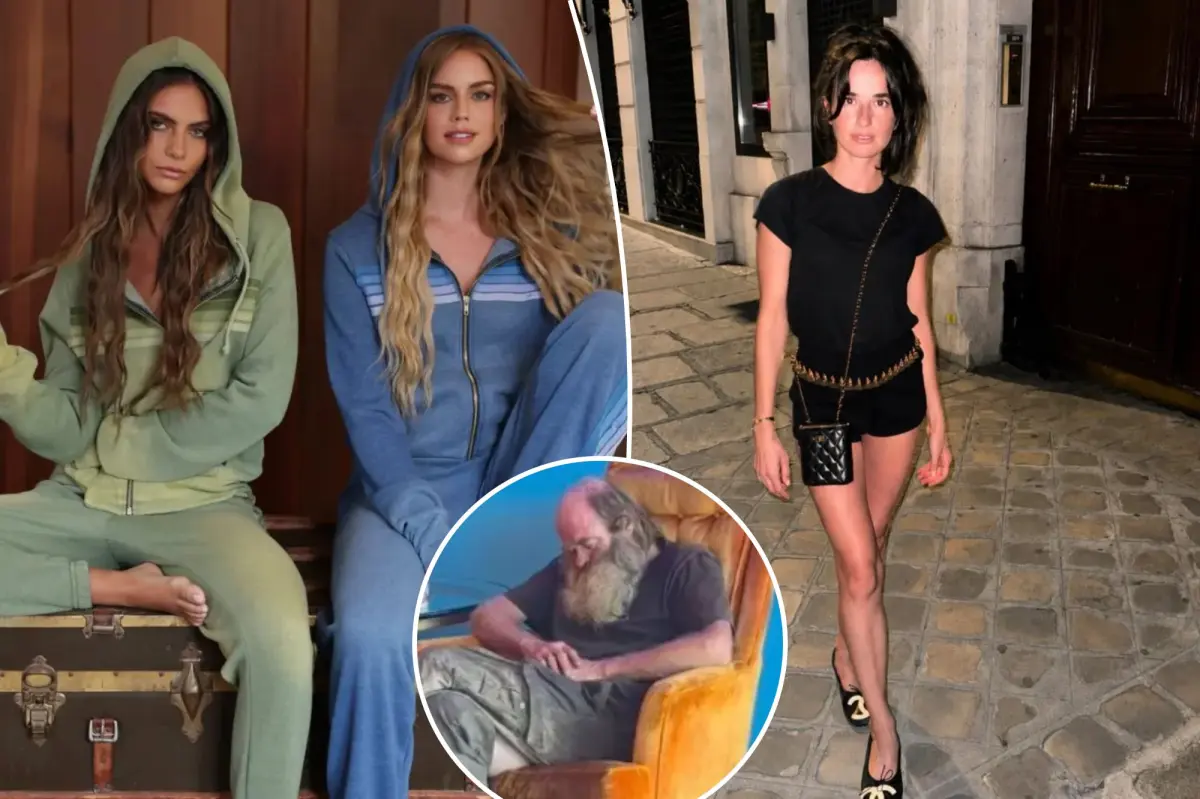
The video, which has since exploded across the internet, captures a scene of surreal mundanity. There, tucked away amidst the cozy confines of an abaca-knit display, lies a man, sound asleep. His seat of choice is a mellow yellow lounge chair, selected from the brand’s own furniture line, itself a temptation as soft and inviting as the hoodies hanging nearby. For the average shopper strolling through the airy, sun-drenched store, this is a snapshot of the Aviator Nation fantasy: laid-back, luxurious, infinitely comfortable. But this was no staged lookbook; the man was disheveled, clearly unhoused, and dead to the world of consumerism around him. The contrast was jarringly effective for the brand, representing a complete failure of the intended escape. He wasn’t a customer browsing for a $200 pair of sweats; he was a silent, static testimony to the housing crisis, blocking the aspirational vision of effortless cool with the stark reality of a life unmoored.
It didn’t take long for the video to find its way to the thumbs of Lizzy Benichou, an influencer who posts under the handle @basedinmalibu. Unlike the genteel sleep of the mystery man on the yellow chair, Benichou arrived at the scene with an indignant energy, trading a desire for the 1970s-inspired sweatpants for a different kind of pursuit: social justice from a consumer perspective. Her viral video, rather than a silent observation, was a scathing public Yelp review come to life. The target of her ire wasn’t the systemic failures that create such situations, but rather the audacity of the store’s management to allow this interruption to her shopping experience. She came to the Austin, Texas location, as documented, only to find the place, in her eyes, contaminated by grit, and she had a pointed question for the megabrand: what exactly are you going to do about this? In a voice laced with a blend of fury and bemusement, she demanded to know how a business could charge top-tier prices while letting, as she saw it, the unseemly side of life sully the carefully curated szene.
Her critique wasn’t merely about the unkempt state of the original visitor, but was framed as a broader concern for workplace safety and the sanctity of the retail temple. As the camera panned from the slumbering man to the immaculate displays, Benichou revealed that the retail associates had allegedly confessed a sense of helplessness to her. Selling a blend of nostalgia and high-octane athletic wear, staff supposedly told her they couldn’t do anything to remove the man because “he gets aggressive”—a scary claim that, if unsubstantiated, does heavy lifting in the court of public opinion. This was the emotional core of her argument, blurring the line between a local nuisance and a public safety risk. The narrative morphed into a powerful story about a company that was failing on every front: failing to guard its image, to protect its employees, and most importantly, to provide the grade of polished, uncomplicated, and above all, safe environments that its wealthy clientele demand.
Benichou’s monologue, dripping with incredulity and a signature dose of NIMBY-adjacent entitlement, continued with a stark warning to the brand’s higher-ups. “Do you think anyone will sit on that chair after seeing this video?” she challenged, hitting the bottom line of the entire affair. She didn’t just demand the man’s removal; she challenged the very core of their business model, stating her fear that no one would be tempted to drop their hard-earned cash on luxury loungewear when the central prop, the very furniture meant to evoke a sense of effortless beachside luxury, had been tainted by the grit of the street. Her question wasn’t just hypothetical; it was a clear call to action, urging the company to engage in the very act of removal that had apparently been deemed too daunting for the staff. It was a threat of economic consequence, a very real power she held as an influencer with a platform, positioning her wealth and her comfort against the basic need of a man simply trying to rest.
Social media, the great equalizer and amplifier of our time, immediately did what it does best: it erupted into two distinct camps, each spitting venom at the other. The comment section became a lightning rod for our deepest societal anxieties. On one side were the supporters of the store’s plight, echoing Benichou with a chorus of “why not call the police?” and “there are recovery centers and jail for a reason,” painting the homeless man as a complicated, unwanted piece of furniture to be shuffled along and disposed of with the same lack of thought as a piece of trash. They framed the failure to remove him not as a sign of compassion, but as a dereliction of corporate duty. However, a louder, equally passionate counter-movement rose to meet them. Accompanying the clips was a wave of searing mockery directed at the influencer herself, framing her outrage as the true outlier in a world increasingly comfortable with conspicuous consumption in the face of human suffering.
The backlash was a masterclass in social commentary, using the very tools of the medium to deconstruct the influencer’s worldview. “How about be kind. Maybe skip the sweat pants and offer to take him to get a shower and haircut,” one user fired back, flipping the script and putting the onus of human decency squarely on the shoulders of an audience that had shown so much apparent heartlessness. This sentiment reflected a profound exhaustion with a culture that would rather complain about the aesthetics of poverty than address its root causes. The narrative was being reclaimed: for every person angry about the lack of “curb appeal” of the store’s seating, there was another person pointing out the sheer absurdity of prioritizing a $200 pair of sweatpants over the basic humanity of a sleeping man. It became less about a clothing retailer and more about a cultural flashpoint—a stark illustration of how we value property over people, disposable income over basic human needs.
In the aftermath of the deluge, with the video trending and the comments section devolving into a sprawling ideological battleground, the only thing left missing was a resolution that wasn’t drenched in moral ambiguity. A request for comment from the brand went unanswered, allowing the silence to speak volumes. The store, presumably, continues to sell its $200 garments, hanging them neatly on a rail that sits just a stone’s throw from the now-infamous yellow chair. The man in the video, of course, still needs a place to sleep tonight, a fact that seems to have escaped the entire, chaotic exchange. The battle had been waged and won in the court of public opinion, yet no one had actually addressed the root of the matter beyond the initial outrage. No one had offered him a meal that evening, only a barrage of debates about who, exactly, was responsible for his continued presence, as if explaining away his existence in one post was equivalent to solving a systemic issue.
Ultimately, this bizarre incident functions as a mirror to the broader social environment of the present day. It shows how the internet can take a simple, human moment—a tired man finding a spot to doze—and turn it into a firestorm of class resentment, virtue signaling, and rhetorical violence. The article, in its seemingly simple complaint about a disruptive guest, inadvertently exposed a far more uncomfortable truth: that for some, the greatest threat to the American Dream isn’t the breakdown of the family or the loss of faith, but the specter of a homeless person taking a nap in the wrong seat. The real takeaway isn’t about a brand’s failure to manage its property, or a commenter being mean to a content creator; it’s a pertinent reminder that our economy of personal responsibility often fails to extend to those we find inconvenient, especially when they disrupt the carefully curated narrative of our own lives with something as unpolished as honest exhaustion. And so, the influencer goes back to her feed, the brand to its bottom line, and the man in the yellow chair remains a poignant, if uncharitable, ghost in a room full of luxury goods, waiting for a response that offers him not a stage, but a simple, human acknowledgement that he exists beyond the confines of a social media post.