


Nuclear Power Takes Flight: Zeno’s Heat Generator Set for Lunar Night Mission
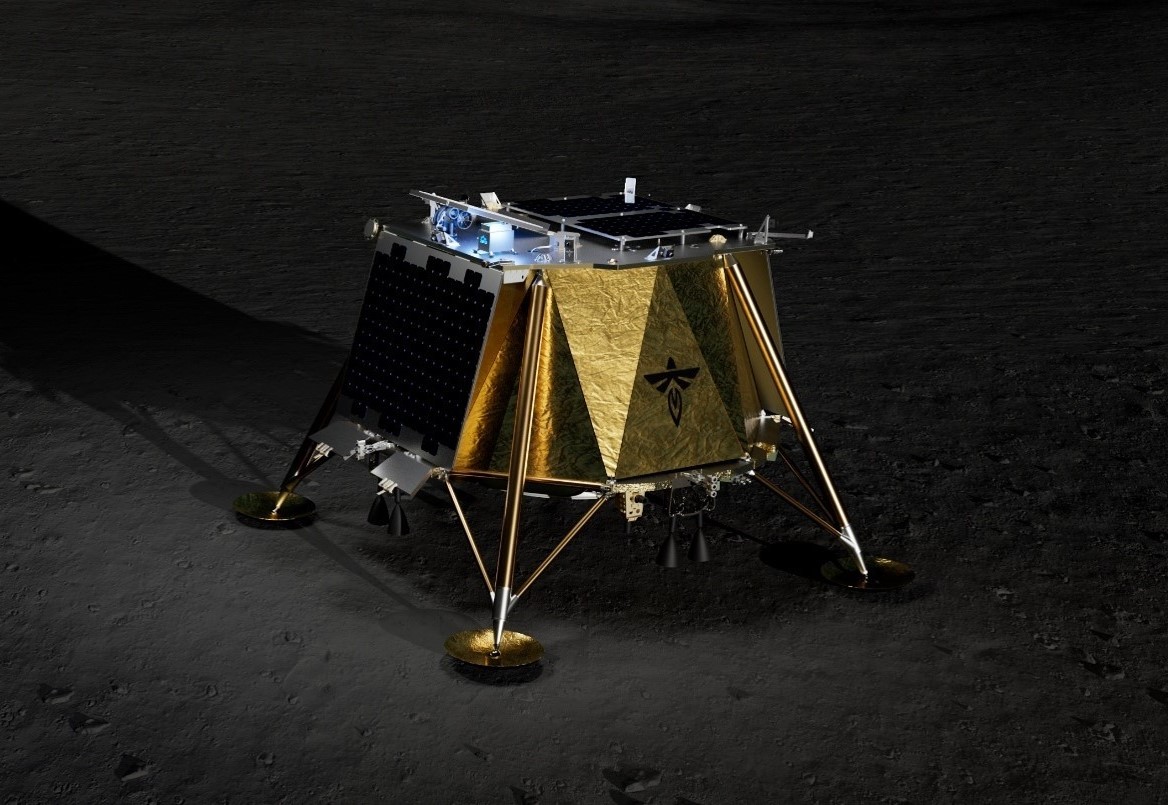
The harsh reality of the moon’s long, frigid nights has always posed one of the greatest challenges to lunar exploration. Temperatures plummet to hundreds of degrees below zero, and without sunlight to power solar panels, most equipment simply freezes and dies. But a Seattle-based company called Zeno Power is developing a solution that could keep future missions alive through the darkness. Their groundbreaking radioisotope heater unit is slated to ride aboard Firefly Aerospace’s Blue Ghost lander on an ambitious demonstration mission that could launch as early as 2028.
The technology represents a significant leap forward in how we approach sustained presence on the lunar surface. Rather than relying on solar power that becomes useless when the sun sets for two weeks at a time, Zeno’s heater uses the natural decay of radioactive materials to generate consistent warmth regardless of lighting conditions. This simple but ingenious approach could fundamentally change what’s possible in lunar exploration, enabling equipment to survive conditions that would destroy conventional electronics and paving the way for longer, more productive missions to Earth’s nearest celestial neighbor.
Temperature Extremes Shape the Challenge
The moon presents one of the most unforgiving environments in our solar system, with temperature swings that would shock even seasoned engineers. During the lunar day, which lasts approximately 14 Earth days, surface temperatures can soar to more than 230 degrees Fahrenheit in direct sunlight. But when night falls, those same regions plunge to mind-boggling lows of minus 280 degrees or colder. This extreme thermal cycling puts enormous stress on any equipment left on the surface, and surviving these conditions has proven to be one of the most difficult engineering challenges in space exploration.
Firefly Aerospace learned this lesson firsthand with their first Blue Ghost lander, which touched down successfully on the moon in March 2025. That mission achieved remarkable success throughout the lunar day, conducting scientific experiments and capturing stunning imagery of the surrounding landscape. However, when the sun finally set and the harsh lunar night descended, the lander ultimately succumbed to the extreme cold. This experience highlighted the critical need for active heating solutions that could keep spacecraft operational through the darkness, setting the stage for the partnership with Zeno and the upcoming demonstration mission.
A Compact Solution with Radioactive Heart
Zeno’s approach to solving the lunar night problem is both elegant and practical. Their radioisotope heater unit (RHU) harnesses the natural heat produced by the radioactive decay of americium-241, a byproduct material that can be recovered from recycled nuclear components. The unit itself is remarkably compact, yet it generates a steady 5 watts of thermal energy that can be distributed to sensitive components to keep them within their operational temperature range. This might sound modest, but in the extreme cold of the lunar night, even this modest heat output can mean the difference between survival and total system failure.
The choice of americium-241 is particularly clever from both a technical and economic standpoint. Unlike plutonium-238, which has traditionally been used in deep space missions and is extremely scarce and expensive, americium-241 is far more abundant and can be sourced from existing stockpiles of materials that would otherwise require disposal. Zeno has positioned itself as a leader in this emerging field, establishing what they call a “kitchen” in Seattle where they develop and test the recipes for producing these critical radioactive power sources. This domestic manufacturing capability could prove essential as both NASA and commercial operators plan increasingly ambitious lunar missions.
Building Toward a Sustained Lunar Presence
The upcoming Blue Ghost demonstration mission represents just the beginning of Zeno’s ambitious vision for nuclear power in space. Beyond their heater units, the company is actively developing radioisotope power generators (RPGs) that can produce electricity rather than just heat. These more advanced systems would provide a continuous power supply regardless of lighting conditions, enabling a much wider range of scientific instruments and operational capabilities on the lunar surface. The company sees these technologies as foundational infrastructure for what NASA calls the Moon Base initiative and what many industry watchers believe will become a thriving commercial lunar economy.
The timing of Zeno’s development efforts aligns well with the broader push toward sustained lunar exploration. NASA has made no secret of its desire to establish a permanent human presence on the moon through the Artemis program, and both government agencies and private companies are increasingly recognizing that surviving lunar nights is essential to achieving that goal. The ability to keep equipment operating continuously rather than shutting down for two weeks at a time would dramatically increase the scientific return from lunar missions and reduce the costs associated with re-establishing operations after each frigid night.
Financial Backing and Growing Operations
Zeno Power has attracted significant investment to support its ambitious plans. The company closed a $50 million Series B funding round in May, followed by an additional $3.6 million extension from Seraphim Space, one of the space industry’s most prominent investment firms. In total, Zeno has raised $105 million in private investment, a substantial war chest for a company focused on such specialized technology. This financial support reflects growing confidence in both the technical feasibility and commercial potential of radioisotope power systems for space applications.
The company maintains operations across multiple locations, with its engineering hub in Seattle serving as the primary center for technology development and testing. Additional facilities in Washington, D.C., and California support various aspects of the business, including regulatory affairs and manufacturing partnerships. With approximately 95 employees, Zeno has grown significantly since its founding and continues to expand its team as it works toward the 2028 demonstration mission. This growth signals not just the health of one company, but the broader maturation of the commercial space sector as it moves beyond launch services toward more sophisticated on-orbit and on-surface capabilities.
The Road Ahead for Lunar Exploration
The planned demonstration of Zeno’s heater on the Blue Ghost lander represents a critical milestone in the journey toward sustainable lunar exploration. Firefly Aerospace already has additional missions in development, including a lander destined for the moon’s far side scheduled for no earlier than 2027 and another targeting the Gruithuisen Domes region in 2028 or later. These missions will likely benefit from the lessons learned during the heater demonstration, potentially incorporating active thermal control into their base designs to extend their operational lifetimes beyond the lunar day.
As humanity prepares to return to the moon in a sustained way, the ability to survive lunar nights will become increasingly important. The technology under development at Zeno Power could prove as transformative to lunar exploration as solar panels were decades ago. By providing continuous heat and eventually continuous power, these systems will enable a permanent infrastructure on the moon that can support scientific research, resource extraction, and eventually human habitation. The path from the current demonstration mission to that future is long and challenging, but each successful step brings that vision closer to reality.