


In the high-stakes theater of global diplomacy, the question of who we can trust to broker peace is often as volatile as the conflicts themselves. This tension erupted into the public eye when retired Army General Jack Keane, a highly respected former Army vice chief of staff and senior strategic analyst, issued a blistering critique of the United States’ primary Middle Eastern partners. Speaking on Fox News’ “America’s Newsroom,” the retired four-star general cast a shadow of doubt over the diplomatic integrity of Pakistan, Qatar, and Saudi Arabia. Keane openly questioned whether these regional heavyweights could be trusted to mediate negotiations with Iran, accusing them of actively steering President Donald Trump away from necessary military pressure. In Keane’s view, this diplomatic maneuvering has left the United States and Israel to shoulder the immense, dangerous burden of directly confronting Tehran’s hostile ambitions, while these intermediary nations shield themselves from the fallout of a potential armed conflict. Keane argued that both Islamabad and Doha are essentially compromised as neutral actors because, historically and strategically, their deeper allegiances and geopolitical leanings favor Iran over Washington, ultimately muddying the waters of American intelligence and foreign policy execution.
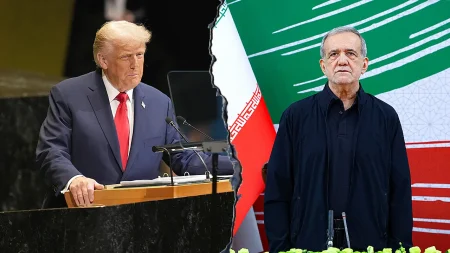
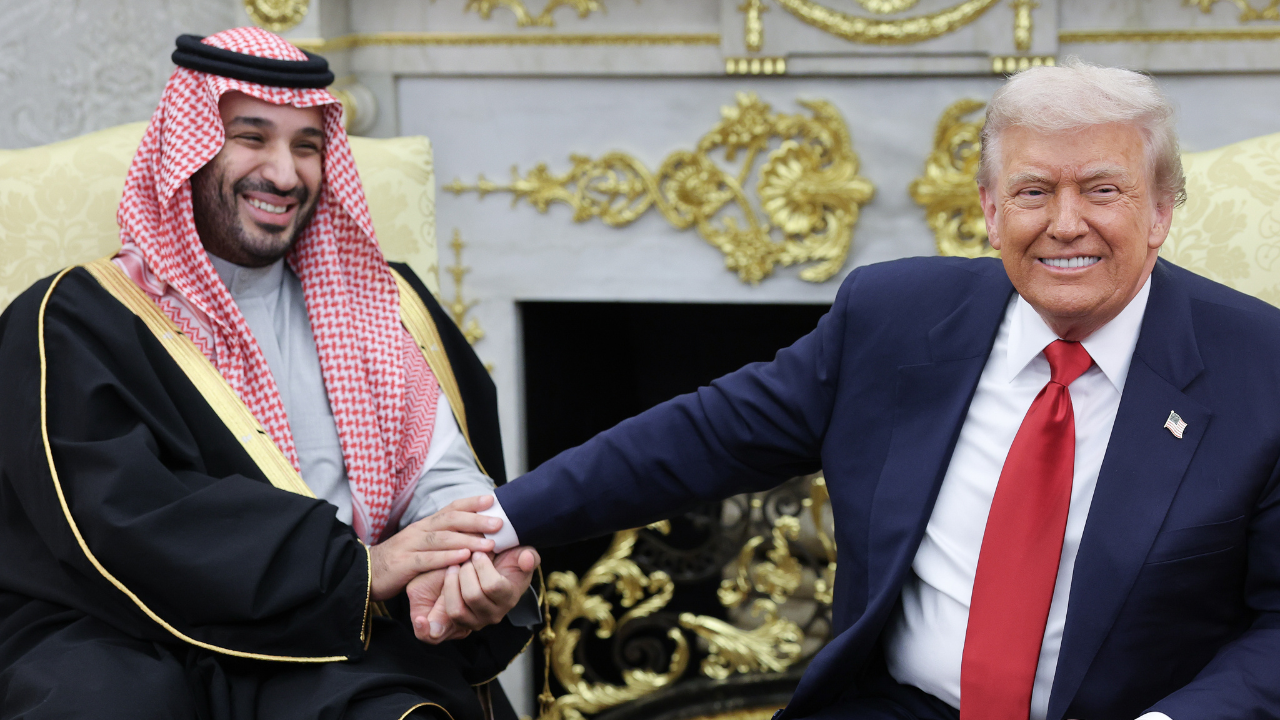
This stark, military-grade skepticism stands in sharp, public contrast to the diplomatic optimism radiating from the Trump administration. President Trump has repeatedly and publicly defended these regional partners, viewing their mediation not as a compromise of security, but as a vital diplomatic conduit. Trump has expressed profound respect for Pakistan’s efforts, praising Pakistani officials for working diligently to advance dialogue with the Iranian regime. Following the G7 summit in France, the President went so far as to credit both Pakistan and Qatar with helping to secure the pivotal U.S.–Iran memorandum of understanding. Supporting this view, White House spokesperson Anna Kelly emphasized that Trump enjoys strong personal and working relationships with the leadership of Pakistan, Qatar, and Saudi Arabia. Kelly defended their ongoing involvement in the negotiations, asserting that if the diplomatic process ultimately fails to produce a viable agreement, the blame will lie entirely with the obstinacy of the Iranian regime, which will then have to face the severe consequences of its choices. This official narrative paints a picture of a broad, collaborative coalition working under the Islamabad Memorandum of Understanding, which has established structured working groups to address nuclear proliferation, economic sanctions, compliance monitoring, and maritime security in the volatile Strait of Hormuz.
However, the view from Islamabad is far more complex and pragmatic than either Keane’s accusations of betrayal or Washington’s hopeful rhetoric suggest. Raza Rumi, the editor-at-large of Pakistan’s The Friday Times, strongly pushed back against the narrative that Pakistan is a compromised or biased mediator. Rumi pointed out that effective diplomacy requires channels of communication with all warring factions, and Pakistan’s engagement with Tehran is born of geographical and security necessity rather than ideological alignment. Sharing a long, porous, and historically unstable border with Iran, Pakistan’s primary objective is to prevent regional chaos that could easily spill across its own borders, particularly as it manages existing economic vulnerabilities and internal security threats. To illustrate that Pakistan is far from an uncritical ally of Iran, Rumi highlighted the sudden and violent exchange of military strikes between Pakistan and Iran in January 2024, which demonstrated that relations between the two neighbors are frequently fraught with militarized tension. Furthermore, Pakistan must constantly balance its proximity to Iran with its deep-seated, decades-long military and economic partnerships with the United States, Saudi Arabia, and the United Arab Emirates, making any simplistic characterization of Pakistani mediation as a pro-Iranian conspiracy highly inaccurate.
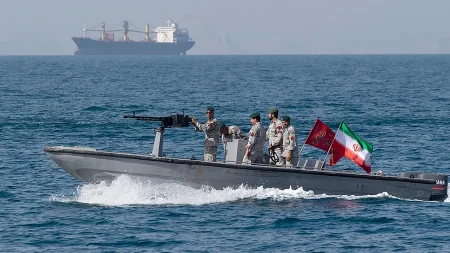
While Keane’s critiques of Pakistan and Qatar were sharp, his most severe accusations were reserved for Saudi Arabia, a nation long considered a cornerstone of American security architecture in the Persian Gulf. Keane alleged that during critical preparations for a potential U.S. military operation to forcibly reopen the blockaded Strait of Hormuz, Riyadh actively denied the United States access to its vital airspace and military bases. He claimed that Saudi leadership repeatedly pressured President Trump to abandon plans for robust, decisive military interventions against Iranian aggression. According to Keane, this caution stems from a self-serving desire to let American and Israeli soldiers bear the human and material costs of war, while Saudi Arabia avoids the devastating retaliatory strikes that would inevitably rain down on its own highly vulnerable oil infrastructure. This accusation exposes a raw nerve in the U.S.–Saudi relationship, raising fundamental questions about whether the Kingdom’s reluctance to engage in direct combat represents a calculated betrayal of its security guarantees or a highly rational, defensive effort to prevent a catastrophic, regional war that would disrupt global energy markets.
This delicate strategic calculus was quickly defended by Saudi geopolitical analyst Salman Al-Ansari, who rejected the notion that Riyadh lacks the stomach to confront Iranian expansionism. Al-Ansari argued that Saudi Arabia fully supports a policy of strong, credible deterrence against Tehran, but draws a firm line at entering an open-ended regional war that lacks clear political objectives or a realistic endgame. For Riyadh, any sustainable resolution must be fully enforceable and verifiable, addressing not just Iran’s nuclear ambitions, but also its vast network of destabilizing regional proxies and its threats to international shipping. However, other regional experts offer a more cautious assessment of Saudi motivations. An anonymous Gulf affairs analyst suggested that Riyadh’s strategy is driven by a deep, underlying fear of Iran’s retaliatory capabilities, prompting Saudi leaders to favor a policy of appeasement and de-escalation over military confrontation. This division of opinion highlights a growing fracture among the Gulf states, with Saudi Arabia and Qatar leaning toward diplomatic accommodation, while the United Arab Emirates, Bahrain, and Kuwait advocate for a much tougher, uncompromising stance against the Iranian regime.
Amidst these profound military and diplomatic disagreements, the raw economic realities of the region continue to force a level of cooperation between Washington and Riyadh. Richard Goldberg, a senior adviser at the Foundation for Defense of Democracies and a former National Security Council official, noted that despite the friction over military strategy, the United States remains deeply dependent on Saudi Arabia’s infrastructure to maintain its economic leverage over Iran. Specifically, Saudi Arabia’s ability to transport massive quantities of oil overland via pipelines to the Red Sea bypasses the vulnerable Strait of Hormuz, allowing the global oil market to remain stable while the U.S. continues its economic strangulation of the Iranian regime. As negotiators from Oman, Pakistan, Qatar, and Saudi Arabia continue to seek a fragile interim agreement to secure shipping lanes, General Keane remains deeply skeptical that any lasting peace can be achieved. He warns that Iran views its control over the Strait of Hormuz as an irreplaceable strategic asset that it will never willingly surrender, leaving the international community to wonder if current diplomatic efforts are paving the way for a breakthrough, or simply allowing Tehran to bide its time.