



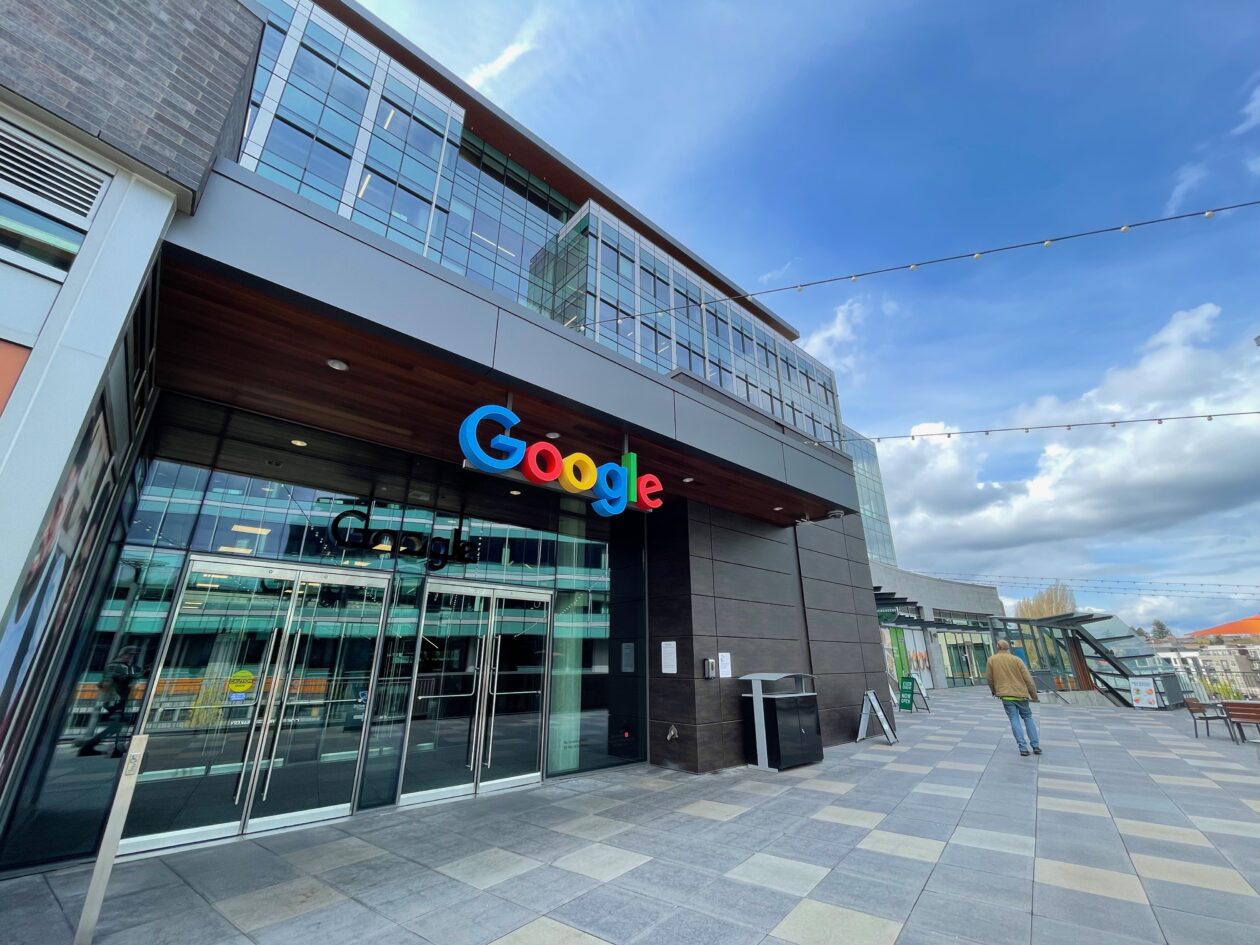
In late summer of 2026, the quiet rhythm of the Pacific Northwest was abruptly shattered for dozens of local families when a formal state filing revealed that Google is laying off 52 employees across Washington state. Behind this cold, bureaucratic disclosure lies a deeply personal and painful reality for a highly diverse group of dedicated professionals—ranging from brilliant software engineers and product managers to specialized mechatronics experts, creative user experience designers, and passionate talent recruiters. These cuts do not target just one isolated department; instead, they stretch across Google’s prominent physical campuses in Seattle, Kirkland, and Redmond, while also reaching into the quiet home offices of remote workers who had built their lives around the promise of stable, modern employment. Scheduled to take effect in September and early October of 2026, these layoffs represent a sudden and agonizing shift for individuals who, until very recently, believed they were secure within one of the world’s most prosperous corporate empires. For these workers, what began as an ordinary morning transformed into a stressful, high-stakes race against time as they now face the daunting task of updating resumes, navigating complex severance packages, and comforting anxious families. By humanizing these numbers, we must remember that a layoff is never just a cold statistic on a state Employment Security Department ledger; it is a profound, life-altering disruption to personal routines, mortgage payments, childcare arrangements, and professional identities that takes months, if not years, to resolve. Each of these 52 individuals represents a unique story of dedication, hard work, and sudden vulnerability in an industry that has increasingly chosen corporate efficiency over the welfare of its most valuable asset—its human capital. As the summer weeks tick away toward the autumn termination dates, the affected staff are left to process the emotional shock of being disconnected from their networks, losing access to their collaborative digital workspaces, and stepping into an uncertain job market that feels vastly different from the one they entered.
To fully comprehend the emotional weight of this announcement, one must look at the deep-rooted history Google shares with the state of Washington, which has long served as the tech giant’s most vital engineering nerve center outside of its Silicon Valley headquarters. For more than two decades, Google’s presence in the Puget Sound region has been a source of immense civic pride and economic vitality, growing from a small, ambitious outpost into a massive multi-campus footprint that helped shape the skylines of Seattle’s South Lake Union and Kirkland’s urban core. Within these state-of-the-art offices, local engineers and designers have spent years quietly building the foundational pillars of the modern internet, dedicating their careers to perfecting the Android operating system, refining Google Chrome, scaling Google Cloud, mapping the physical world, and optimizing global advertising platforms. The loss of these 52 positions—particularly specialized roles like mechatronics engineers who bridge the gap between complex hardware and software, and UX designers who make technology accessible to billions—signifies a quiet dismantling of highly collaborative teams that took years of careful recruiting and mentoring to assemble. For the affected employees, these modern campuses were not merely places of employment; they were vibrant communities where they shared meals, celebrated technological breakthroughs, and forged lifelong friendships, making the sudden news of their departure feel like an abrupt eviction from a home they helped build. The physical spaces, complete with their colorful micro-kitchens and creative collaborative zones, will continue to hum with activity, but the absence of these 52 colleagues will leave a palpable void, serving as a quiet reminder to those who remain that corporate loyalty is often a one-way street, and that no level of innovation can completely shield a worker from the shifting winds of corporate prioritization and cost-cutting measures.
This latest round of job cuts comes at a time of profound transition for the global tech sector, which has spent the last several years adjusting to a harsh post-pandemic economic landscape. While this is Google’s first major public reduction in Washington state since the devastating cuts of early 2023—when parent company Alphabet eliminated an unprecedented 12,000 positions globally, representing roughly six percent of its total workforce—it serves as a stark reminder that the era of absolute job security in tech has officially drawn to a close. Earlier this summer, whispers of unrest echoed through the industry when reports surfaced regarding quiet layoffs within the Google Cloud division, signaling a continuous, silent restructuring as the company pivots its financial priorities toward artificial intelligence and leaner operational models. For years, tech companies cultivated a culture of abundance, pampering employees with lavish perks and promising a workplace where talent was cherished above all else; however, the recent waves of downsizing have shattered this utopian illusion, replacing it with a transactional reality where even high-performing veterans find themselves vulnerable to sudden corporate realignments. As Google remains silent on the specific motivations behind these latest September cuts, displaced workers are left to search for answers in an industry that increasingly prioritizes quarterly shareholder value and executive efficiency over long-term employee retention. The lack of clear communication from corporate headquarters only exacerbates the anxiety felt by the laid-off employees, who must navigate their final weeks at the company in a state of professional limbo, performing their daily duties while knowing that their access cards will soon be deactivated and their corporate email accounts deleted forever.
The anxiety rippling through Google’s Washington offices is amplified by a broader regional trend, as the Pacific Northwest’s once-bulletproof tech ecosystem continues to weather a prolonged period of consolidation and cooling. Over the past year, neighboring giants like Microsoft and Amazon have executed multiple, painful rounds of layoffs, flooding the local job market with thousands of highly skilled applicants who are all competing for a dwindling number of open roles. This atmosphere of uncertainty was further compounded when Seattle-based real estate giant Zillow Group quietly disclosed its own decision to eliminate 91 positions within Washington state, with the heaviest burden falling squarely on senior staff members who had dedicated years to the company’s growth. When senior leaders and specialized engineers are laid off simultaneously across multiple major firms, it creates a severe bottleneck in the local job market, leaving mid-level and junior talent with fewer pathways for career advancement and fewer opportunities to secure stable employment. This regional downturn has transformed the cultural landscape of cities like Seattle and Bellevue, where the optimistic buzz of rapid corporate expansion has been replaced by hushed conversations in local coffee shops about severance packages, non-compete clauses, visa extensions, and the precarious nature of the modern digital economy. The collective morale of the local tech community has taken a significant hit, as workers who once viewed their careers as linear paths of upward mobility are now forced to adopt a survivalist mindset, recognizing that even the most prestigious names on a resume cannot guarantee immunity from the next round of corporate restructuring.
Beyond the cold macroeconomic data and corporate strategies, the true cost of these layoffs is measured in human anxiety and disrupted lives, particularly in a region where many tech workers are immigrants living on employer-sponsored visas. For foreign nationals working at Google on H-1B visas, a layoff notification is not just a career setback; it is a ticking clock that triggers an agonizing 60-day grace period to find another qualifying employer or face deportation, forcing families to contemplate uprooting their children from schools and leaving the communities they have called home for years. Furthermore, the psychological impact of losing a job at a prestigious firm like Google cannot be overstated, as employees often tie their personal self-worth and identity directly to the company’s famous brand and intellectual challenges. Recruiters who once took pride in bringing top talent into the Google family now find themselves on the receiving end of the very rejection letters they used to send, while managers must grapple with the emotional burden of saying goodbye to trusted teammates. This sudden loss of stability forces individuals to confront a sobering reality: that their years of late nights, missed family dinners, and loyalty to a corporate mission can be instantly erased by an automated algorithm or a sterile corporate filing. The emotional toll of telling a partner, a child, or a parent that one’s livelihood has been abruptly terminated is a heavy burden that no corporate severance package can fully alleviate, highlighting the urgent need for a more empathetic approach to corporate restructuring that respects the human dignity of those who built the company’s success.
Despite the current cloud of uncertainty hanging over Kirkland, Redmond, and Seattle, the history of the Pacific Northwest suggests that this community of displaced tech workers possesses a profound capacity for resilience and reinvention. As these 52 individuals prepare to transition away from Google this autumn, they carry with them invaluable expertise, a deep understanding of complex systems, and a vast network of supportive peers that will eventually help them chart new and exciting professional paths. Many of those affected by previous tech layoffs have gone on to build their own successful startups, bringing innovative ideas to life that might have otherwise remained buried under layers of corporate bureaucracy, while others have successfully pivoted to traditional industries like healthcare, education, climate tech, and public service that are desperate for digital transformation. Ultimately, while this latest filing represents a sobering chapter in Google’s long-standing relationship with Washington state, it also serves as a poignant reminder that a company is not defined by its physical campuses, its colorful logos, or its stock price, but by the brilliant, resilient human beings who bring its technologies to life every single day. As the local community rallies to support those affected—offering resume reviews, job referrals, and words of encouragement on professional networks—there remains a quiet, enduring hope that the talent cast aside today will become the driving force behind the next great wave of human-centered innovation tomorrow, proving that the human spirit is far more durable than any corporate structure.