



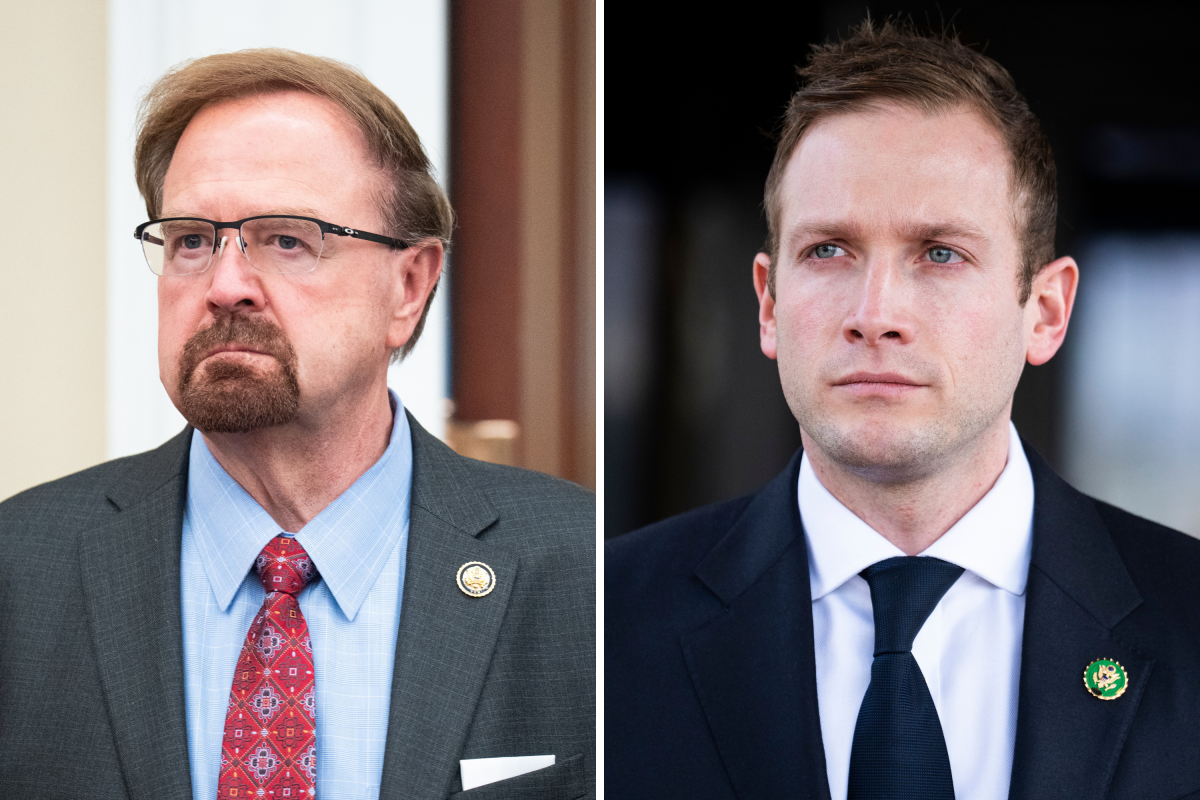
The halls of Congress, often romanticized as the pinnacle of democratic service, can rapidly transform into a theater of personal and professional ruin when the veil of power is lifted to reveal human frailty and misconduct. For Representative Chuck Edwards, a Republican representing the scenic, mountainous landscapes of western North Carolina, the sudden collapse of his political aspirations served as a stark reminder of how quickly a hard-earned legacy can disintegrate under the weight of ethical reckoning. In a quiet, reflective statement shared on social media, Edwards announced his decision to withdraw from his highly contested re-election campaign, attributing the choice to an intense period of soul-searching, “prayer and reflection.” To the constituents who had placed their trust in him, he expressed a bittersweet gratitude, calling the opportunity to represent his home district “the honor of my life,” while simultaneously confirming he would quietly serve out the remainder of his current term rather than resigning immediately. Yet, behind this carefully crafted, dignified departure lay a painful and deeply human reality: a promising political career cut short not by policy disagreements, legislative failure, or electoral defeat, but by the devastating fallout of personal behavior. The announcement marked the sudden, ignominious end of a tumultuous chapter, leaving his staff, his loyal supporters, and his local community to grapple with the jarring contrast between his public-facing dedication to conservative values and the private actions that ultimately led to his undoing. Edwards’ abrupt exit highlights a recurring tragedy in modern American politics, where the intoxicating nature of high office often blinds leaders to the foundational boundaries of respect and decency, leaving behind a trail of damaged trust, disillusioned voters, and shattered careers that can rarely, if ever, be fully restored. This public fall from grace is not just a political statistic; it represents a profound human crisis of accountability, identity, and the painful unraveling of a man who once stood at the heights of legislative influence.
At the heart of Edwards’ downfall is a narrative that has become all too familiar in the corridors of power: the vulnerability of young staff members who rely on powerful figures for their livelihoods, professional validation, and career advancement. Only forty-eight hours before his withdrawal, the bipartisan House Ethics Committee issued a scathing report recommending that the full House of Representatives officially censure Edwards for what they categorized as “persistent unprofessional and inappropriate conduct” directed toward two young female aides. The committee’s exhaustive investigation painted a troubling picture of a workplace environment where professional boundaries were repeatedly and systematically blurred, violating the fundamental rules designed to protect congressional staffers from sexual harassment and unwanted advances. For these young women, navigating the pressure-cooker environment of Capitol Hill is difficult enough without the added psychological burden of handling unwelcome attention from the very lawmaker who holds absolute authority over their professional futures. The committee’s findings emphasized that Edwards failed to adhere to both the letter and the spirit of workplace safety guidelines, turning what should have been a prestigious, inspiring mentorship opportunity into an uncomfortable, stress-inducing ordeal. This situation highlights the steep, often terrifying power asymmetry inherent in legislative offices, where junior aides—often fresh out of college and eager to make a difference—find themselves trapped between their career ambitions and the agonizing necessity of enduring inappropriate behavior from their superiors. By bringing these infractions to light, the ethics report did more than just discipline a sitting congressman; it validated the voices and experiences of the affected staffers, exposing the deeply personal, human cost of a workplace culture that has historically swept such grievances under the rug to protect those in power, while forcing a necessary reckoning with how we protect the next generation of public servants.
In the face of these severe findings, Edwards has mounted a defense that reflects the deep psychological denial often seen in public figures accused of misconduct, highlighting the complex human struggle to protect one’s self-image and public reputation at all costs. Edwards has vehemently denied that any of his actions were intended as sexual or romantic advances, actively challenging the House Ethics Committee’s conclusions and framing his behavior as misunderstood or misinterpreted interactions rather than malicious misconduct. This defensive posture reveals a common, deeply rooted disconnect in high-stakes harassment cases: the massive chasm between the initiator’s self-reported intent and the actual, harmful impact of their actions on subordinates who feel powerless to object in the moment. For Edwards, acknowledging the committee’s findings would mean accepting a label—harasser—that fundamentally conflicts with his identity as a family man, a respected community leader, and a dedicated public servant. By deciding to serve out the remainder of his term rather than resigning immediately, he appears to be attempting to salvage a modicum of control over his exit, choosing a slow, quiet transition out of public life rather than a sudden, disgraceful departure. This decision, however, creates an awkward and incredibly tense environment for his remaining staff and congressional colleagues, who must continue to work alongside a recommended-for-censure lawmaker during his final, lame-duck months in Washington. Edwards’ desperate struggle to reconcile his self-perception with the official, bipartisan verdict of his peers illustrates the painful, slow-motion collapse of a public persona, demonstrating how difficult it is for individuals in positions of immense authority to accept genuine accountability when their entire legacy, family pride, and social standing are on the line, leaving his district in a state of political limbo as they prepare for an uncertain future without their elected representative.
As the drama surrounding Edwards unfolded in North Carolina, a parallel, and in many ways more distressing, crisis was reaching a critical boiling point in Ohio, showcasing the broader ethical storm currently battering the House Republican conference and testing the limits of party loyalty. Representative Max Miller, a conservative congressman representing Ohio’s 7th district, found himself facing intense, bipartisan pressure to step aside following deeply troubling allegations of domestic abuse. The accusations, which originated from his former wife, Emily Moreno, paint a horrifying picture of private violence, alleging that Miller abused both her and their young, innocent daughter behind closed doors. Unlike the professional misconduct allegations facing Edwards, the claims against Miller strike at the very heart of familial trust, safety, and moral character, involving the most vulnerable members of his immediate household and evoking deep empathy and concern from the public. The situation reached a logistical and political zenith on a tense Wednesday afternoon, with a strict 4 p.m. deadline looming for Miller to officially withdraw his re-election bid. This deadline was crucial, as it represented the final opportunity for Ohio Republicans to legally replace him on the November ballot, avoiding a scenario where the party would be forced to run a candidate weighed down by such severe personal and ethical baggage. The human element of this crisis is profound; it involves a mother trying to protect her child, a family dynamic shattered by allegations of violence, and a community forced to witness a deeply private domestic tragedy play out on the national stage. For the voters of Ohio, this crisis transformed a standard legislative race into an agonizing referendum on domestic violence, family protection, and the moral threshold required of those who write the nation’s laws, highlighting the devastating crossover between private family trauma and public political accountability as the clock ticked down remorselessly toward the deadline.
Rather than yielding to the pressure or quietly bowing out to protect his family and party from further public scrutiny, Miller chose a path of fierce defiance, highlighting the classic political survival instinct that often prioritizes personal vindication over collective stability. Asserting his innocence, Miller adamantly denied the allegations and made the high-stakes decision to remain in the congressional race, refusing to meet the 4 p.m. withdrawal deadline. In a move that surprised many political observers, Miller went on the offensive by proactively requesting that the House Ethics Committee launch a full investigation into the claims against him, gambling that an official probe would ultimately clear his name and restore his reputation. This aggressive strategy reflects a calculated risk: by inviting the scrutiny of the very committee that just brought down Edwards, Miller is attempting to project confidence and strength, framing himself not as an abuser, but as a victim of false accusations and political character assassination. However, this defiant stance places Ohio Republicans in an incredibly difficult position, forcing them to stand by a candidate accused of domestic violence or risk a highly divisive internal battle during an incredibly important election cycle. The human cost of this defiance is heavy, prolonging the public exposure of his ex-wife and daughter, who must now endure the painful spectacle of an ongoing ethics investigation and a media circus. Miller’s refusal to step aside illustrates the powerful, often desperate drive of individuals in high office to cling to power, showing how the fear of losing status can drive a leader to wage a scorched-earth campaign for survival, regardless of the toll it takes on their family, their party, or the public trust, turning a deeply personal family tragedy into a prolonged political battleground.
Together, the contrasting cases of Chuck Edwards and Max Miller offer a deeply sobering window into the shifting cultural and ethical landscape of modern American governance, where the standards of personal conduct are being radically reassessed under the unyielding spotlight of public scrutiny. For decades, the halls of Congress were notorious for protecting their own, frequently allowing powerful politicians to escape genuine accountability for personal transgressions, inappropriate behavior, and abusive conduct behind closed doors. Today, however, the bipartisan nature of these ethics investigations and the swiftness with which once-promising careers can completely unravel signal a positive, albeit painful, evolution toward greater transparency, systemic reform, and protection for victims. This shift is not just about political strategy, party control, or partisan advantage; it is about recognizing the fundamental humanity and dignity of those who work within the legislative system—from young, ambitious aides striving for a safe and respectful workplace to vulnerable families seeking protection and justice from domestic strife. As Edwards prepares to exit the political stage under a cloud of censure and Miller gears up for a highly contentious, investigation-shadowed future, the public is left to contemplate the true qualities of leadership, demanding that their elected representatives possess not just legislative acumen and political loyalty, but the basic moral integrity to treat others with decency. Ultimately, these unfolding events serve as a poignant, urgent reminder that power without accountability is a toxic and dangerous force, and that the true measure of a society’s health lies in its willingness to confront and correct misconduct at the absolute highest levels, ensuring that no office is too high, no title too prestigious, and no politician too powerful to be held to the universal standards of basic human decency and ethical responsibility.