



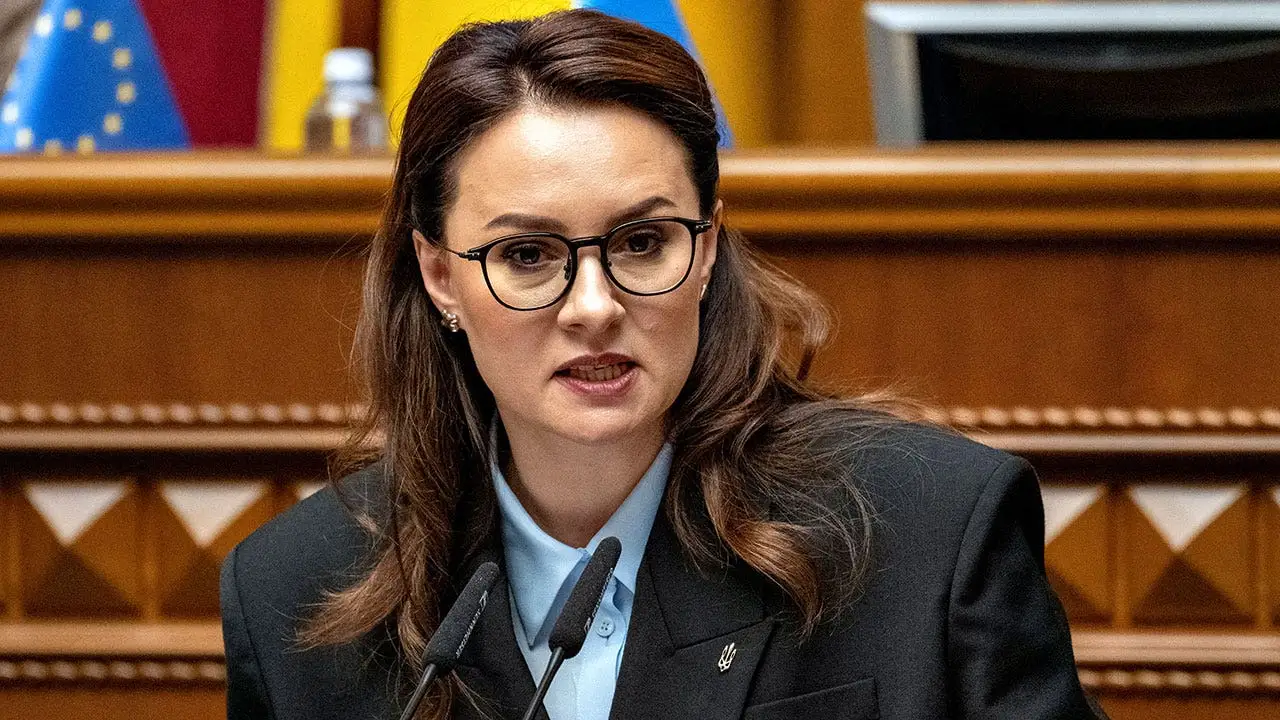
The geopolitical landscape of Eastern Europe is shifting once again as Ukrainian President Volodymyr Zelenskyy initiates a profound restructuring of his wartime administration. The latest high-profile departure is Prime Minister Yulia Svyrydenko, who stepped down from her post on Sunday. Svyrydenko, who made history when she assumed the prime ministership in July 2025 at just 39 years old, had previously served as the nation’s economy minister. Known for her instrumental role in securing a landmark minerals agreement between Ukraine and the United States, her departure marks a significant transition point for a government that has been forced to constantly adapt while defending its territory against Russian forces.
Reflecting on her tenure, Svyrydenko expressed immense gratitude and pride on social media, describing her leadership of the government as an extraordinary honor during what is undeniably one of the most perilous and demanding chapters in Ukraine’s modern history. While her resignation signals the end of her time as prime minister, it does not mean her departure from public service. She revealed that she has already engaged in discussions with President Zelenskyy regarding her transition into a new, yet-to-be-disclosed role, emphasizing her unwavering commitment to defending Ukraine’s national interests and helping usher in a just, lasting peace.
This leadership change is not an isolated event but rather the cornerstone of a broader, deliberate strategic realignment designed to navigate the complexities of a prolonged conflict. Because martial law remains active in Ukraine, democratic elections are temporarily suspended, placing the responsibility on Zelenskyy to continually refine his administration from within. The president framed this latest reshuffle as a pivotal evolution in Ukraine’s political and diplomatic strategy. He explained that his administration is transitioning to a specialized, targeted approach in which seasoned, high-profile officials will be directly assigned to oversee relations with key international partners, ensuring that foreign security agreements are executed flawlessly and Ukraine’s global alliances remain airtight.
Beyond diplomatic posts, the ripple effects of this major cabinet reorganization are expected to reach deep into Ukraine’s domestic and security infrastructure. Zelenskyy has already hinted at upcoming leadership changes within the country’s top law enforcement agencies, suggesting that a more comprehensive overhaul is underway. Immediately following Svyrydenko’s resignation announcement, the president convened high-level meetings with several core members of his cabinet, including Energy Minister Denys Shmyhal, Interior Minister Ihor Klymenko, and Defense Minister Mykhailo Fedorov. These urgent consultations signal to the international community and the Ukrainian public alike that further high-level personnel adjustments are imminent as the government tries to maintain administrative resilience.
This current shake-up represents the fourth major reorganization of Zelenskyy’s administration since the full-scale Russian invasion began. Managing a government under the constant threat of bombardment, economic strain, and humanitarian crises requires an extraordinary level of adaptability. By periodically reshuffling his cabinet, Zelenskyy seeks to inject fresh energy, prevent bureaucratic stagnation, and optimize his team to face the evolving realities of the war. These tactical adjustments are crucial for maintaining the vital flow of international aid, ensuring internal security, and keeping the Ukrainian public united in the face of relentless adversity.
Ultimately, this ongoing political evolution highlights the deep human element behind Ukraine’s statehood. Leaders like Svyrydenko and Zelenskyy are tasked with steering a nation through unimaginable trauma, balancing the immediate demands of national defense with the long-term vision of a free and sovereign Ukraine. As the administration pivots to this new phase of diplomatic and domestic policy, the resilience of Ukraine’s institutions will continue to be tested. The world watches closely as these leaders restructure their ranks, driven by a shared, unbreakable commitment to secure their nation’s future and bring an end to the devastating war.