


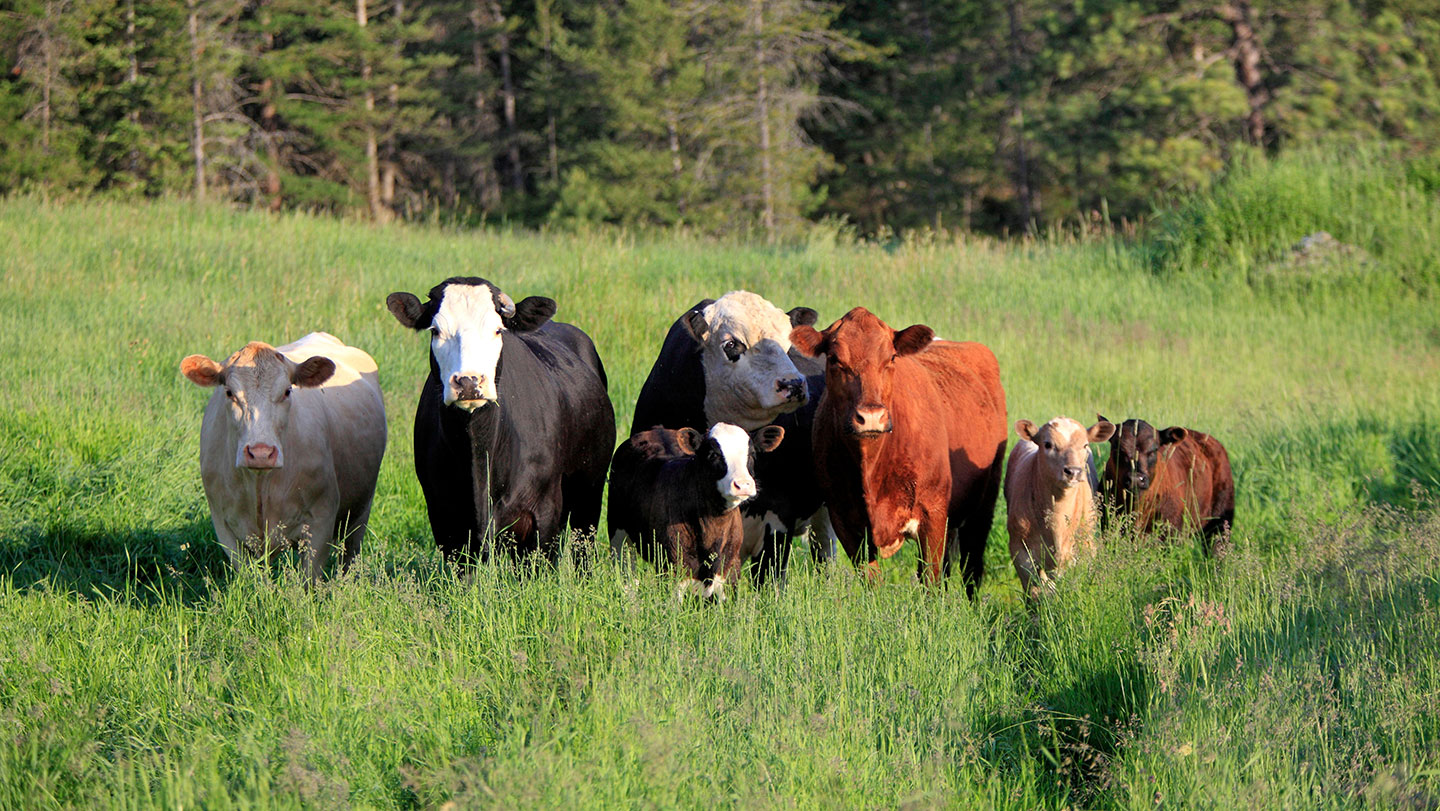
In a world where people eagerly shell out hundreds of dollars to map their own genetic ancestry—or even that of their pampered pets—few think to question the family tree of the steak on their dinner plate. This curiosity is particularly relevant for consumers of Beefalo, a hybrid breed praised for having the best of both worlds. Proponents claim that because of its unique bison genetics, Beefalo is hardier, more disease-resistant, and produces a more tender, high-protein meat than standard cattle. However, a scientific reality check has thrown those claims into question, revealing that the genetic reality of these animals might not match their marketing.
According to a study published in the journal eLife, scientists who conducted the first genome-wide analysis of the Beefalo breed made an unexpected discovery. “It was a surprise to us to discover that most of the Beefalo individuals we sequenced did not have detectable bison ancestry,” says Beth Shapiro, an evolutionary biologist at the University of California, Santa Cruz who coauthored the study. The research team set out to investigate if the classic bison traits had simply faded over decades of breeding, only to find that the connection was largely missing from the very beginning.
To uncover the truth, the research team analyzed preserved semen samples from 47 animals, with most collections dating back to the breed’s formative years in the 1970s and 1980s, including individuals from the very first Beefalo herd. The genetic results were stark: thirty-nine of the analyzed animals showed absolutely no detectable bison DNA. Even the eight animals that did carry some bison genetic markers fell far short of the official mark set by the American Beefalo Association, which mandates a three-eighths (37.5 percent) bison genetic makeup to qualify for the standard.
Understandably, the American Beefalo Association (ABA) has pushed back against these findings. ABA President Dan Stricker defended the breed, stating that all registered “full-blood” Beefalo undergo rigorous DNA testing at certified university and commercial laboratories to officially verify their bison heritage. Stricker expressed serious concerns that the samples used in the study fail to represent modern, selectively bred Beefalo, which have been refined over generations specifically to lock in those prized bison characteristics.
While the researchers conceded that their study focused primarily on historical founding animals rather than current herds, they maintain that their conclusions are robust. Study coauthor Jonas Oppenheimer, an evolutionary biologist at the Centre for Paleogenetics in Stockholm, pointed out that it is highly improbable for modern Beefalo to possess more bison DNA than the original ancestors they were bred from. Instead, the lack of bison genetics in the founders suggests a fundamental biological reality: while cattle and bison can interbreed, doing so to create a stable, genetically balanced hybrid is incredibly difficult and has historically resulted in failure.
This genetic mystery also has broader implications for wildlife conservation. For years, conservationists have worried that the widespread presence of cattle genes in wild bison populations might dilute the species, threatening their unique behaviors, natural disease resistance, and legal status as wild animals. However, this study offers a silver lining. The difficulty of successfully blending these two species suggests that nature maintains strong boundaries, meaning worries over the genetic pollution of wild bison herds may be highly exaggerated.