


When we pack our bags for a journey into the wild, majestic landscapes of our national parks, our minds naturally drift toward the shadows, conjuring up the ancient, primal fear of the apex predator. We double-check our bear spray, practice our loudest call-and-response shouts for the trail, and keep a nervous eye on the tree line, fully expecting a grizzly or a black bear to step out of the pine trees. Yet, a fascinating and eye-opening new study suggests that our survival instincts might be pointed in the wrong direction. According to research published in the journal Frontiers in Conservation Science by conservation biologist Shashank Balakrishna and researcher Holly Landles from the University of York, the creature we should actually be most cautious around is not the sharp-clawed carnivore of our nightmares, but the elegant, antlered herbivore we so often stop to photograph: the elk. By shifts in human behavior and a misunderstanding of animal biology, peaceful family vacations in the great outdoors can quickly turn into stressful, high-stakes standoffs with these massive herd animals.
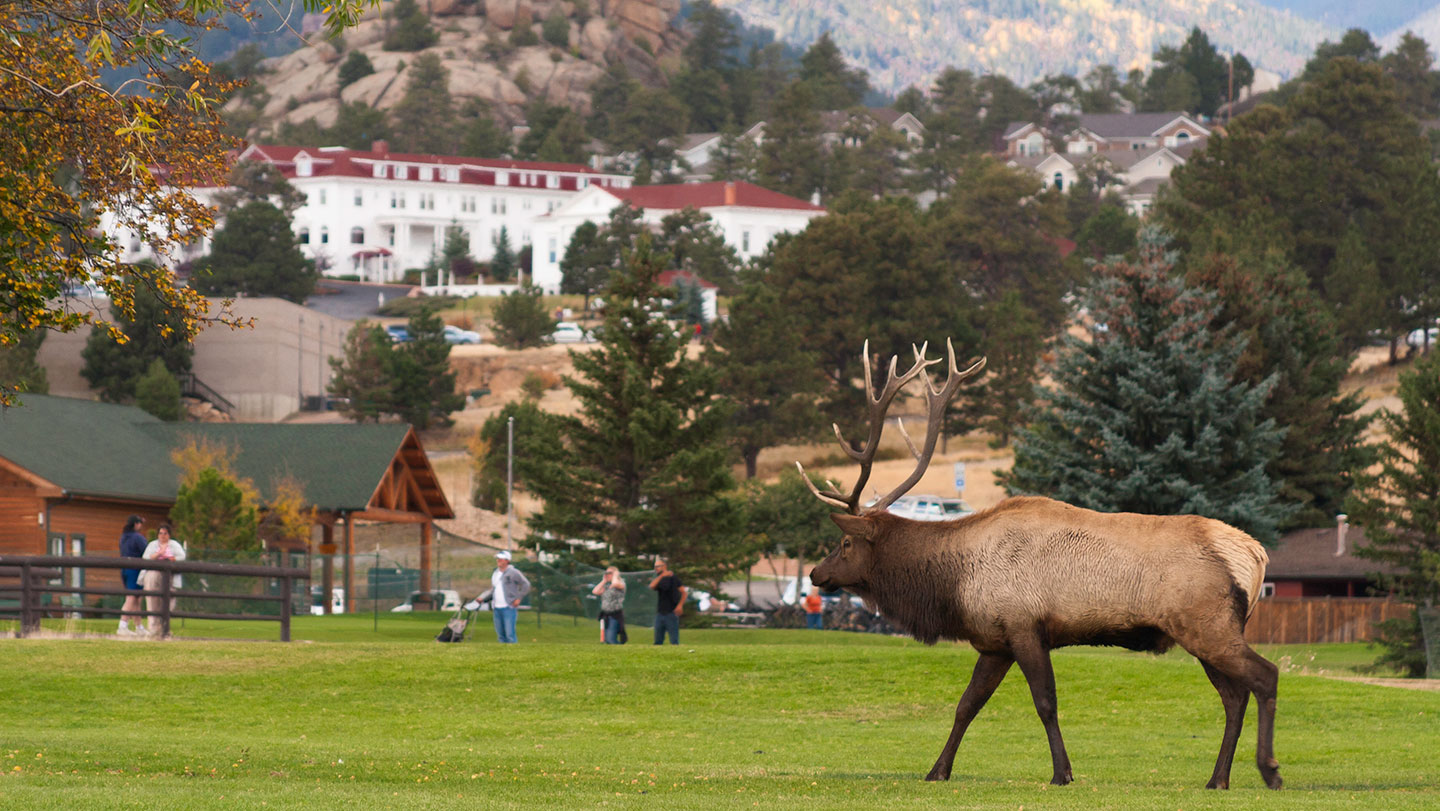
To uncover the true dynamics of human-wildlife conflict, Landles and Balakrishna meticulously analyzed nearly three thousand aggressive wildlife incidents that occurred in Canadian national parks between 2010 and 2023. They focused their efforts on five prominent species that frequently share space with tourists: grizzly bears, black bears, coyotes, mule deer, and elk. The term “aggressive incident” did not just mean physical contact; it encompassed a wide range of defensive and territorial behaviors, including chasing, bluffing charges, and active posturing meant to intimidate humans. When the researchers tallied the numbers, the results were staggering. Far from being rare background characters in the ecosystem, elk were responsible for a whopping sixty-two percent of all documented aggressive encounters. This stark statistic reveals a profound disconnect in how we perceive risk. While we treat bears with immense reverence and caution, we tend to suffer from a dangerous psychological blind spot when it comes to herbivores, viewing them as gentle, passive giants rather than the powerful, defensive wild animals they actually are.
This illusion of safety becomes particularly hazardous in the very places we go to relax: park campgrounds. The study revealed that a jaw-dropping eighty-four percent of all aggressive incidents inside campgrounds involved elk. To understand why campgrounds become such volatile hotspots, we have to look at the intersection of human holiday calendars and the biological rhythms of the elk. The peak of Canadian camping season aligns almost perfectly with the most sensitive times of the elk’s yearly cycle—specifically, the spring calving season when fiercely protective mothers will stop at nothing to defend their vulnerable newborns, and the autumn rutting season when hormone-addled bulls lose all caution in their quest to establish dominance and secure mates. During these times, a manicured park campsite, which seems like a safe haven to a human family, is viewed by an elk as a prime territory worth fighting for. Tourists cooking dinner or pitching tents often find themselves unwittingly encroaching on a defensive mother’s nursery or a bull’s mating ground, turning a serene outdoor domestic scene into a stage for a highly dangerous territorial dispute.
In contrast, our relationship with bears in the wild reveals a very different kind of psychological and behavioral pattern. While bears are undoubtedly capable of devastating violence, they accounted for a much smaller slice of the conflict pie, with grizzly bears making up fourteen percent and black bears representing thirteen percent of the aggressive encounters. Interestingly, the study found that bear confrontations rarely happen in crowded campgrounds; instead, they are most common during quiet, low-impact activities like solo hiking, trail running, or wildlife photography. This points to a fascinating paradox of wilderness recreation: the quieter and more respectful a hiker tries to be, the more likely they are to startle a bear. While an elk might charge to aggressively defend its territory, a bear’s aggression is almost always a panicked, defensive reaction to being suddenly surprised. When a quiet hiker rounds a bend and abruptly comes face-to-face with a foraging bear, the animal’s fight-or-flight response kicks in instantly, proving that our attempts to slip silently through nature can sometimes be the very trigger that causes a peaceful situation to go sideways.
Adding another layer of complexity to our interactions with wild animals is the presence of our beloved domestic pets. The researchers noted that while coyotes and mule deer were involved in far fewer incidents overall, mule deer aggression was overwhelmingly triggered by the presence of dogs. To a human, a family dog is a gentle companion, but to a wild mule deer, that same dog looks, smells, and moves exactly like a coyote or a wolf—the natural predators that have hunted their species for thousands of generations. When a dog, even one on a leash, gets too close, the deer’s ancient evolutionary programming takes over, prompting it to launch a preemptive defensive strike to neutralize the threat. This reaction highlights the fact that we do not enter the wilderness as isolated individuals; we bring our own domestic ecosystems with us, and the wild residents of the park interpret our pets through the harsh, uncompromising lens of natural survival rather than human domesticity.
Ultimately, the goal of this illuminating research is not to make us fearful of stepping outside or to demonize any particular species, but to arm us with the empathy and understanding needed to cohabitate safely with wildlife. By understanding that an elk in autumn is undergoing a biological tempest, or that a bear in a berry patch simply wants to be warned of our arrival, we can adapt our own behaviors to prevent these frightening encounters before they even start. The researchers emphasize a few remarkably simple, human-scale changes that can save lives: making plenty of noise while hiking to give bears a polite heads-up, keeping our dogs on tight, short leashes to avoid triggering defensive prey animals, and giving elk a very wide berth, especially when we are occupying the same campgrounds. By replacing our sensationalized fears of forest monsters with a respectful, science-backed understanding of animal behavior, we can ensure that our national parks remain safe sanctuaries for both the humans who visit them and the magnificent wild spirits who call them home.