


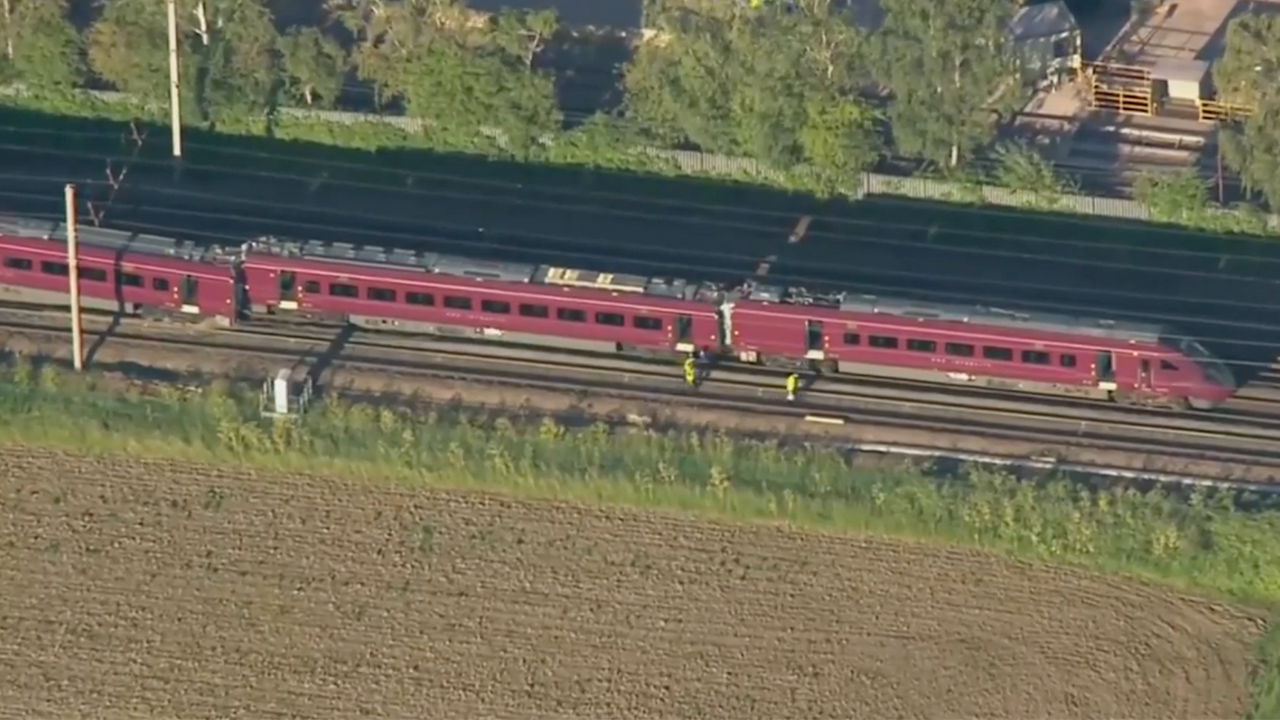
The clock neared 5:15 p.m. on a crisp Friday afternoon, a time when hundreds of weary commuters were eagerly anticipating the warmth of home and the comforting promise of the weekend ahead. Inside the carriages of two passenger trains traveling near the quiet, historic village of Elstow, just south of Bedford, the atmosphere was filled with the familiar, mundane soundtrack of daily life: the soft murmur of conversations, the rhythmic tapping of laptop keys, and the gentle hum of the train gliding along the iron tracks. No one onboard could have anticipated that in a fraction of a second, this peaceful, predictable routine would violently shatter into a scene of absolute devastation. The sudden, terrifying impact of the two trains colliding sent shockwaves of twisted steel, shattered glass, and flying debris through the tranquil Bedfordshire countryside, instantly transforming a routine commute into an apocalyptic nightmare. Within moments, the quiet beauty of the rural landscape was replaced by a deafening cacophony of screeching metal, structural tearing, and the desperate, panicked cries of trapped passengers. The local community of Bedford, situated roughly 60 miles north of London, became the epicenter of a heart-wrenching tragedy that claimed the life of one individual at the scene and left nearly ninety others physically and emotionally scarred. This catastrophic event immediately cast a dark shadow over the entire region, serving as a grim and painful reminder of how quickly the predictable, safe rhythms of our modern lives can be violently upended by forces beyond our control. As the dust slowly settled over the wreckage in the fading evening light, the true scale of the human tragedy began to emerge, leaving families shattered, emergency services overwhelmed, and a nation demanding answers to a disaster that should never have happened.
In the immediate aftermath of the violent collision, the East of England Ambulance Service and partner rescue agencies were thrust into a frantic race against time, promptly declaring a “major incident” to mobilize an unprecedented level of emergency support to the rural site. The physical landscape of the crash was nothing short of overwhelming, requiring a monumental coordination of emergency resources to navigate the mangled, overlapping debris of the passenger carriages which blocked access to the injured. Over twenty traditional ambulances rushed to the scene from surrounding counties, navigating narrow country lanes alongside specialized hazardous area response teams trained to extract victims from highly unstable and dangerous environments. Overhead, the sky buzzing with activity as six air ambulances descended upon the nearby fields, their rotors kicking up dust as medical crews prepared to airlift the most critically injured survivors to regional trauma centers. For the first responders who arrived on the scene, the sight was deeply haunting—a chaotic mix of smoke, twisted metal, and terrified, bloodied survivors stumbling out of the wreckage into the cold evening air, many in a profound state of shock. Emergency workers displayed extraordinary bravery and poise as they set up makeshift triage centers on the damp ground, systematically assessing the sheer volume of casualties under the glare of emergency floodlights. Among the victims, eleven individuals had sustained life-threatening, catastrophic injuries requiring immediate, complex surgical intervention, while an additional twenty-two people were classified as seriously injured with broken bones and severe lacerations. Another fifty-six passengers suffered minor injuries, though the emotional trauma etched onto their pale faces told a far more complex and enduring story of survival. First responders worked tirelessly through the night, balancing the urgent need to transport the critically wounded to local hospitals with the meticulous, dangerous search of the dark, ruined carriages to ensure no one was left behind in the wreckage.
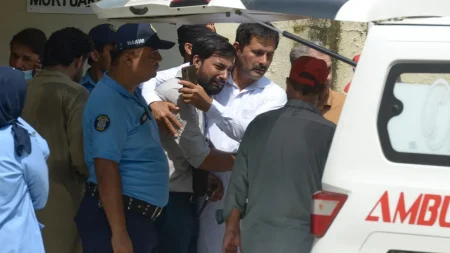
Beyond the sterile statistics of casualties, transport logistics, and emergency dispatch counts lies a deeply moving and tragic tapestry of human stories and the agonizing vulnerability of those caught in the crosshairs of the disaster. For hours after the initial impact, families across the region and beyond endured a torturous, agonizing wait, desperately clinging to their phones, praying for a reassuring text message or call that would confirm their loved ones were safe. In the immediate vicinity of the tracks, survivors described a sudden, violent jolt that threw passengers from their seats and tossed heavy luggage through the air, leaving them disoriented in darkened, smoke-filled corridors as they tried to comprehend the unfolding horror around them. Neighbors and local residents near Elstow displayed the very best of humanity, rushing toward the sound of the crash with ladders, flashlights, blankets, warm drinks, and words of comfort for the shocked passengers who had managed to escape the mangled carriages. This collective, instinctive desire to protect and comfort one another in the face of sudden catastrophe highlighted the profound strength of human empathy and community solidarity amidst unmitigated chaos. The psychological toll on those who survived, even those categorized as having only minor physical injuries, is an invisible, deep wound that will require months, if not generations, to fully heal. The sheer terror of being trapped in a metal tube, surrounded by the screams of injured passengers, the smell of burning mechanical fluids, and the sudden threat of fire, leaves an indelible imprint on the human psyche. As the injured lay in hospital beds across the region, their families huddled in waiting rooms, navigating a complex storm of grief, relief, and anger, united by a shared, painful experience that redefined their lives in a single, tragic afternoon.
As investigators began the painstaking process of uncovering how two passenger trains could occupy the same section of track with such disastrous consequences, a chilling and complex detail emerged that added a layer of tragic irony to the investigation. Sources close to the inquiry revealed that at the exact time of the catastrophic collision, one of the train drivers was actively on the telephone with maintenance staff, urgently discussing an ongoing safety issue with the train. This haunting revelation paints a picture of a crew trying desperately to resolve a malfunctioning system, entirely unaware that they were hurtling toward a devastating impact with another passenger train. The image of a driver engaged in a tense, technical conversation about safety protocols in the moments leading up to a fatal crash underscores the fragile nature of modern transportation networks, where safety is often a delicate, precarious balance of human vigilance and automated safeguards. Investigators from the Rail Accident Investigation Branch are now tasked with unraveling the precise timeline of communication, seeking to understand whether distracted focus, systemic mechanical failure, or a breakdown in signal coordination ultimately triggered the disaster. The investigation will undoubtedly scrutinize not only the actions of the crew on that fateful evening but also the broader operational culture, safety margins, and technological safeguards implemented across the railway network. This specific detail of the phone call serves as a sobering reminder of the high stakes involved in rail safety, where a split-second delay in communication or a single overlooked protocol can mean the difference between a routine journey and a catastrophic loss of human life.
The tragedy near Bedford has sent profound shockwaves through the entire United Kingdom, deeply shaking public confidence in a mass transit system that millions of citizens rely upon every single day of their lives. While rail travel remains statistically one of the safest modes of transportation, incidents of this magnitude inevitably pierce the veil of security that passengers take for granted when they step onto a platform. The collective mourning of the Bedfordshire community is mirrored by a national conversation about the aging state of railway infrastructure and the relentless pressure placed on transit staff to maintain strict schedules even when safety concerns arise. Commuters who regularly travel the lines near London and the East of England are looking at their daily journeys with a newfound sense of anxiety, realizing how easily the mundane act of traveling to work can become a lottery of survival. This disaster forces society to confront the uncomfortable reality that beneath the sleek, high-tech facade of modern locomotives lies a complex web of vulnerability that requires constant, meticulous maintenance and leaves absolutely zero margin for error. The grieving community of Bedford has begun holding vigils for the deceased and offering prayers for the swift recovery of those fighting for their lives in intensive care units. In local pubs, schools, and town halls, the conversation remains centered on the tragedy, reflecting a communal solidarity that seeks to share the heavy burden of grief while demanding absolute transparency and accountability from the rail operators and regulatory authorities responsible for keeping the tracks safe.
Moving forward from the physical and emotional wreckage of the Elstow collision will require a long, difficult, and painful journey of healing, guided by an unwavering commitment to ensure such a tragedy never happens again. The profound resilience of the survivors and the quiet heroism of the ordinary citizens and first responders who leaped into action will serve as the foundation upon which this healing process is slowly built. While the physical debris of the shattered train carriages will eventually be cleared from the Bedford tracks and the train lines reopened to the public, the lessons learned from this disaster must be permanently etched into the safety protocols of the global railway industry. Sweeping reforms in communication systems, more robust automated braking technologies, and stricter guidelines regarding how safety issues are addressed in real-time are urgently needed to restore the public’s shattered trust. Leaders and safety advocates must ensure that the memory of the individual who lost their life, and the suffering of the nearly ninety injured passengers, is honored through concrete, meaningful actions rather than empty political promises. As the investigation progresses and the full truth of that tragic Friday afternoon is brought to light, the ultimate goal must be the creation of an unshakeable culture of safety that prioritizes human life above all else. Only by confronting these painful failures with absolute honesty and implementing rigorous, systemic changes can we ensure that every commuter who boards a train in the future arrives safely at their journey’s end, back into the arms of the families waiting for them at home.