


The Night Chicago’s Streets Turned Chaotic
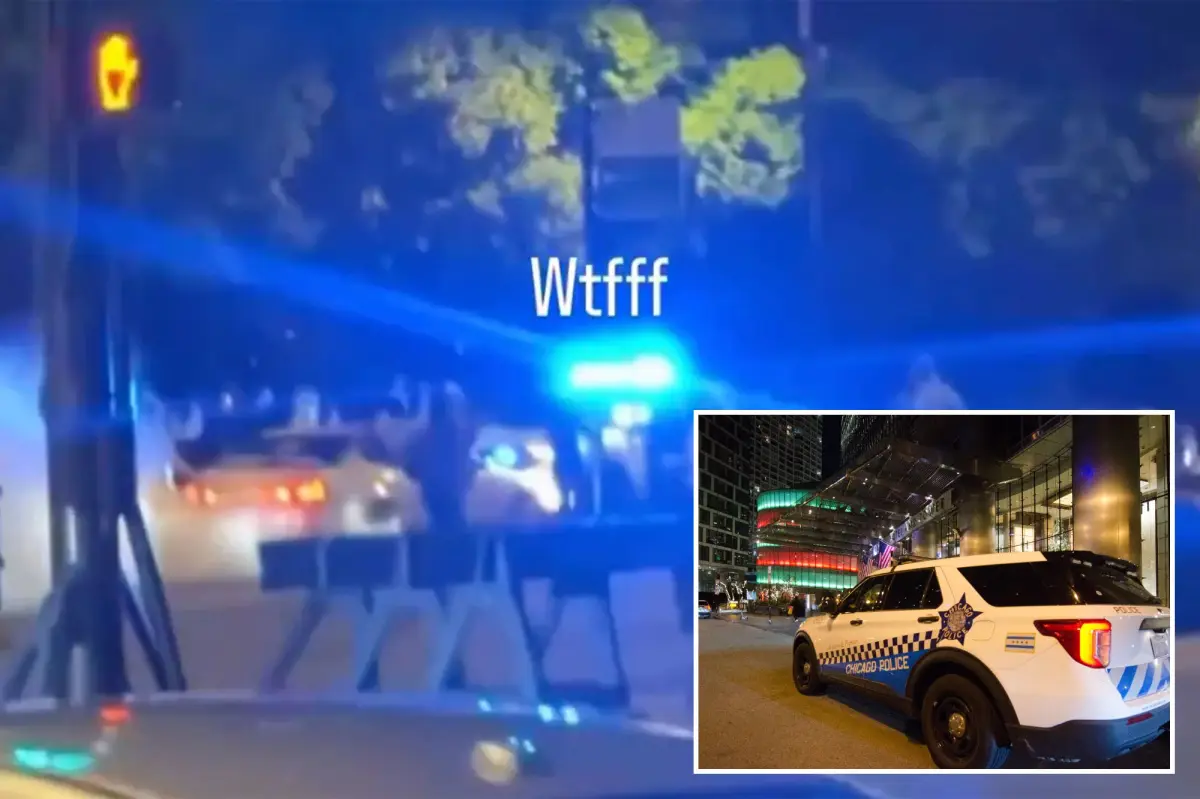
In the heart of Chicago, a city buzzing with life and history, a disturbing trend called “teen takeovers” unfolded on a Wednesday night, turning ordinary streets into scenes of reckless abandon and danger. Around 12:43 a.m., video footage captured a group of young people executing what seemed like a coordinated disruption: one vehicle slamming into a police cruiser while others surrounded it, hopping on the car like it was some twisted carnival ride. Onlookers, instead of intervening or fleeing, cheered and whipped out their phones to record the spectacle, posting it online as if it were entertainment rather than a serious crime. Imagine being a resident waking up to sirens, or worse, stumbling into this chaos while walking home from work—it’s a stark reminder of how urban nights can flip from mundane to menacing in seconds. These takeovers, often by teenagers and young adults, involve blocking streets, racing cars, and taunting law enforcement, drawing parallels to viral challenges on platforms like TikTok and Instagram, where participants chase fame over safety. For families living near these hotspots, every night out becomes a gamble: will their kids come home unscathed, or will they get caught in the crossfire? The incident highlights a deeper societal fracture, where bored youth in underfunded neighborhoods turn desperation into daredevil acts, risking lives not just theirs, but those of unsuspecting passersby and police trying to keep order.
The specific event involved a young man named Maximus Wyderski, just 19 years old, who found himself in the wrong place at the wrong time—or so he claims. According to his account shared with Fox News Digital, he wasn’t part of the rampage; he was merely an observer, his car parked on the sidelines when the battery unexpectedly died. In a city where public transportation falters and rideshares spike prices after hours, breaking down can feel like a nightmare. Wyderski tried waving down cops for a jumpstart, but instead of help, he got handcuffs. An officer allegedly barked at him to get out, hands up, accusing him of complicity in the street takeover. Soon, charges piled on: misdemeanor reckless driving, fleeing from police, and a stack of nine vehicle citations. “I was just trying to get home,” he might have thought, his teenage years already marked by poor decisions, now compounded by this unjust brush with the law. Stories like his humanize the chaos—here’s a kid, probably dealing with unemployment, educational gaps, or family struggles, thrust into a system that labels him a criminal before hearing his side. It raises questions about due process: in the heat of the moment, with adrenaline pumping and crowds swirling, is a quick arrest fair? For Wyderski and others like him, this could mean court appearances, fines draining slim budgets, and a criminal record haunting job prospects. The video shows the real human cost, not just smashed metal, but lives derailed.
Not content with one outrage, Chicago faced a second teen takeover just two nights later on Friday in the Hegewisch neighborhood, a quieter area now scarred by the same reckless energy. Alderman Peter Chico described masked figures pounding on a police cruiser, literally banging and pushing to immobilize it, treating the officer like a pinned rat in a trap. No arrests there, or at least none reported, leaving the community wondering if justice has vanished with the squad cars. Picture it: a family gathering for a late barbecue hears the roar of engines, sees shadows in masks, and locks their doors, hearts pounding for their children’s safety. These aren’t isolated pranks; they’re orchestrated attacks that echo national conversations about youth disenfranchisement. Teens, often from marginalized backgrounds, might see this as rebellion against inequality—skip school, post online, dodge consequences—but end up endangering EMTs on calls or drivers on essential routes. The lack of immediate consequences breeds cynicism: why follow rules if the law turns a blind eye to group chaos? For residents, it’s exhausting; sleep interrupted, properties damaged, and a pervasive fear that endorsing silence equates to tacit approval.
Alderman Raymond Lopez didn’t mince words, calling for the arrest of everyone involved in these takeovers, from the rammers to the cheering crowds. “In a sea of stupidity, we only caught one criminal fish,” he lamented, slamming the idea that only one participant faced charges. It’s a powerful metaphor, likening the event to a vast school of fish acting in unity, where the law nets one while the rest swim free. Lopez voiced grave concern for the minors—kids barely old enough to drive, let alone grasp repercussions—being led into danger by thrill-seekers chasing viral glory. Imagining a mother watching her son in that crowd, torn between pride in his spirit and terror for his future, Lopez urged accountability: shouting “you’re putting lives at risk” resonates because it’s true. These takeovers aren’t games; they threaten innocent bystanders— a businessman heading home could get clipped, or a nurse returning from a shift find her path blocked. Lopez’s plea taps into parental instincts citywide, where every Chicagoan harbors stories of loved ones impacted by crime, be it grandmothers avoiding evening walks or fathers teaching kids street smarts instead of civic responsibility. If only one is punished, it sends a message: crime pays if you’re part of the mob.
Escalating the criticism, Illinois State Comptroller Susan Mendoza took to social media, unleashing a blistering rebuke at Chicago Mayor Brandon Johnson, a Democrat, branding him ineffective and urging him to step aside if he won’t lead. “CPD deserves better,” she tweeted, demanding real repercussions like license revocation, car seizures, heavy fines, and widespread arrests for the brazen assault on officers. Mendoza’s words hit like a punch, reflecting frustration from everyday Illinois residents who pay taxes for protection but see beat cops mocked and intimidated. Humanizing this, think of a veteran Chicago police officer, say, Officer Ramirez, who’s spent decades patrolling these streets—dodging bullets in past gang wars, comforting victims of domestic abuse—now rammed by a car and surrounded by jeering youths. What about the emotional toll on their families? Spouses worrying if this shift will be the last, children growing up with a badge-wearing parent shadowed by danger. Mendoza’s call for consequences isn’t just politics; it’s a cry for a safer city, where heroes in blue aren’t treated like punching bags, and taxpayers aren’t left resenting leaders who prioritize optics over action.
In wrapping up this unsettling chapter of Chicago’s ongoing struggles with youth violence and urban decay, the takeovers expose cracks in the city’s social fabric, from economic disparities fueling idle hands to social media amplifying reckless behavior. While authorities scramble to respond, reaching out for comments, the human stories linger: Wyderski’s denied innocence, the masked aggressors’ unpunished glee, and communities like Hegewisch left vulnerable. These aren’t just headlines; they’re wake-up calls for reform—better youth programs, stricter online platform oversight, and community dialogues bridging divides. For Chicagoans, it’s a reminder that behind every viral clip lies real pain: families torn by arrests, officers haunted by betrayal, and innocents living in fear. Perhaps by humanizing these events, we can foster empathy, pushing for solutions that mend rather than punish. After all, a city as resilient as Chicago deserves streets where takeovers mean positive change, not criminal chaos. In the end, it’s up to leaders like Mayor Johnson to prove they’re not just talking the talk but enforcing the law, ensuring no more nights where a simple car breakdown spirals into a life-altering accusation. The path forward demands collective action, turning spectators into allies, and delinquency into development. As the city reflects, one incident at a time, the hope remains that Chicago’s spirit—windy and unyielding—can withstand these storms, emerging stronger, safer, and more united. Living here means embracing the beauty amidst the blight, but it also means advocating for change so future generations inherit a legacy of progress, not peril. And in sharing these stories, we bridge the gap between outrage and understanding, reminding ourselves that every participant in these takeovers is someone’s kid, with dreams that could be nurtured instead of crushed. The call is clear: invest in opportunity, not just enforcement, to quell the takeovers and restore peace to these vibrant streets. Otherwise, the cycle continues, and Chicago risks losing its shine to shadows of unrest. Yet, amidst the darkness, stories like Wyderski’s spotlight the complexity of human error and redemption, inspiring us all to seek truth over trial. Ultimately, these events aren’t isolated tragedies but catalysts for dialogue, urging communities to reclaim their narrative from viral chaos to communal calm.
Youth and Community Reflections Amid Uncertainty
Delving deeper into the personal toll, these teen takeovers reveal the lives of young Chicagoans grappling with boredom, peer pressure, and systemic neglect. Many participants, like Wyderski, come from neighborhoods where opportunities are scarce—schools overcrowded, jobs evaporating, and family support strained by economic pressures. For a 19-year-old navigating adulthood without clear guidance, the allure of joining a takeover might seem exhilarating: the thrill of speed, the buzz of belonging to a crowd, the instant dopamine hit from likes and shares online. But humanize it further—imagine a teen named Alex, skipping homework for the night, ditching responsibilities for rebellion. His parents, working double shifts at factories or low-wage gigs, might not even know he’s out until it’s too late. In the excitement, Alex films himself revving an engine, oblivious to how one wrong turn could end in tragedy—a crash killing him or someone else, or a bullet fired in panic. The celebratory cheers hide fears: health risks from reckless driving, legal scars from citations, or even worse, encounters with overzealous police. Communities witness this, too, with elders recounting safer eras, now barred indoors, reminiscing about block parties turned violent. Extending the narrative, consider the psyche of onlookers cheering on the chaos—perhaps they see it as a minor diversion in a life of monotony, but it normalizes danger, desensitizing to real harm. Furthermore, socioeconomic threads weave through: high poverty rates in Chicago’s South Side, where takeovers flourish, correlate with underfunded recreation centers. If cities invested in sports leagues or job training instead of reactive policing, maybe fewer youths would seek validation in viral stunts. Humanizing means empathizing with these kids’ frustrations—alienation from a society that promises prosperity yet delivers pitfalls. Stories emerge of reformed participants, like Maximus, learning hard lessons in jail cells, vowing sobriety for their children’s future. Yet, without intervention, more will follow, perpetuating a cycle where one night’s boldness erodes lifelong potential. As residents share anecdotes—parents spotting “missing teens” alerts on phones, neighbors forming watch groups—the collective anger builds, demanding leaders address root causes. It’s not just about arresting a Wyderski; it’s about preventing a thousand like him from spiraling. In sharing these vignettes, we glimpse hope: mentorship programs turning delinquents into diggers of their own destinies, restoring faith in Chicago’s potential. The raw emotion here underscores that these incidents aren’t faceless, but deeply personal misfortunes begging for compassion and change.
The Officers’ Side: Heroes on the Frontline
Shifting focus to those in uniform, the brave Chicago police officers endure these takeovers as frontline warriors amid escalating urban threats. The rammed cruiser video isn’t just a clip; it’s a glimpse into terror for men and women sworn to protect, suddenly targets in what feels like a trap. Imagine Officer Collins, a 15-year veteran with a spouse and young kids at home, trying to reason with a mob intent on destruction—only to get rear-ended, his vehicle shuddering as bodies pummel the hood. Adrenaline surges, but so does vulnerability: who’s watching the crowd for hidden weapons, or ensuring backup arrives before things escalate to firefights? Humanizing their experience, officers grapple with burnout from facing disrespect nightly—kids they might mentor in brighter times now taunting them as enemies. Families of these cops suffer silently: wives pacing living rooms during late shifts, children missing school play dates because dads can’t attend due to overtime. Nationally, police suicides highlight mental tolls, and in Chicago, takeovers add layers, where one incident might retrigger past traumas from shootings or ambushes. Yet, they persist, doling out citations like Wyderski’s, balancing force with restraint to avoid entrenching divisions. Critics like Mendoza champion them, but officers often feel unsupported—understaffed squads racing to hotspots, personal vehicles strained by rocky streets. In vignettes shared, an officer recounts redirecting a teen from crime to a football league, only for viral videos to undo progress. The plea for stronger consequences resonates because it’s about dignity: revoke licenses tying the reckless to accountability, impound cars symbolizing power shifts. But root-level, it’s about systemic respect—reforming policing to include community liaisons, reducing “us vs. them” narratives. As one officer’s story unfolds—a promotion earned post-takeover for de-escalation—it paints cops not as antagonists, but custodians of calm. By humanizing their struggles, we see takeovers as attacks on humanity, not just property. Ultimately, CPD needs bolstering—better training, resources—for this dedication to prevail. The path requires mutual empathy: officers acknowledging societal pains, communities honoring their sacrifices. In echoing Lopez’s arrests demands, true resolve means empowering rather than punishing, fostering dialogues where cops and kids coexist safely. Chicago’s wounded officers mirror the city’s wounded spirit, calling for unity to heal.
Aldermen and the Call for Broader Accountability
Conservative voices like Aldermen Chico and Lopez spotlight the moral urgency, advocating arrests en masse to deter group lawlessness. Chico’s Hegewisch incident details amplify the outrage—masked bashers trapping a cruiser, embodying defiance that chills community spines. Lopez’s “sea of stupidity” analogy humanizes it vividly: everyone present enables minors’ risky gambles, cheering as lives hang in the balance—think a driver swerving to avoid a blocked road, ending in horror. Personalizing further, each onlooker holds a story— a curious bystander filming turns enabler, bearing indirect guilt for encouraging escalation. For likable aldermen representing these wards, it’s experiential: Lopez, perhaps a lifelong Chicagoan, recalls safer youths in his day, now confronting viral temptations. He empathizes yet firms up, warning against sins of silence—nobody deserves death for daily errands while “TikTok famous” chasers play God. Extending narratives, families petition aldermen post-incident, sharing trauma journals: “My son saw his best friend arrested; now he’s withdrawn.” Lopez’s inclusivity plea— everyone culpable—challenges passive spectators, urging active resistance against normalizing anarchy. Humanizing means seeing aldermen as paternal guardians, navigating bureaucracy’s frustrations to effect change. They push for community workshops, integrating mental health aid with discipline to reform offenders. Yet, frustrations mount when leadership drags, as with partial arrests—aria a lone “fish” caught while schools spawn anarchy. Stories abound of aldermen’s tireless nights—meeting constituents, strategizing patrols—revealing dedication beneath the rhetoric. Lopez’s words ripple, fostering civic dialogues where residents voice takeovers’ broader impacts: heightened insurance rates, dwindled tourism, strained social fabrics. By humanizing these leaders’ fervor, we grasp their advocacy as protective love, not mere politics. Ultimately, they advocate systemic overhaul: stricter permits for gatherings, tech bans during events—endeavoring to reclaim streets for wholesome recreation. In their vision, accountability cascades, transforming mobs into accountable citizens, mending Chicago’s soul.
Mendoza’s Broadside and Political Ripples
Illinois State Comptroller Susan Mendoza’s scathing X post lands like a thunderclap, humanizing political discontent into visceral anger. Branding Mayor Johnson “ineffective,” she demands he empower police or step aside, as “CPD deserves better.” Her tweet’s emotional core—brazen attacks on officers meriting severe penalties—resonates personally, perhaps drawing from taxpayer woes or familial ties to law enforcement. Mendoza, a fiscal watchdog navigating governmental finances, frames this as a betrayal of public trust, where leadership’s laxness drains community resources on chaos cleanup. Humanizing her stance, imagine Mendoza’s background: a passionate comptroller spotlighting budget shortfalls funneling funds to youth programs, yet witnessing wasted potential in takeovers. She empathizes with officers’ plight, urging license revocations and car impounds as tangible justice—tying reckless youth to real-life repercussions. Stories emerge of constituents flooding her with pleas: a grandmother’s letter recounting a night terror, a business owner’s losses from blocked thoroughfares. Mendoza’s “actual consequences” call galvanizes, challenging soft-on-crime perceptions amid Democratic governance. Yet, she humanizes complexity—acknowledging socioeconomic roots fueling dissent, advocating holistic reforms like job incentives over punitive-only approaches. Her role as a checks-and-balances voice adds weight, transcending partisanship by prioritizing safety. The ripple effect: her words spur media storms, forcing Johnson’s office to respond, potentially catalyzing policy shifts. By personalizing criticism, Mendoza embodies citizen outrage, transforming abstract politics into relatable accountability demands. Ultimately, her advocacy urges systemic empathy— a mayor leading with heart, bridging divides to quell viral anarchy. In echoing her, Chicagoans envision a city where political promises manifest as peaceful streets, vindicating Mendoza’s fire.
Looking Ahead: Hope Amid the Havoc
As Chicago grapples with these teen takeovers, the path to healing demands collective reflection and action, humanizing narratives from isolation to inspiration. The incidents, from Wyderski’s mishap to masked Hegewisch bashings, underscore fragility—yet spark resilience. Residents, officers, aldermen, and critics like Mendoza converge in stories of redemption: a reformed troublemaker mentoring youth, a cop’s family fund-raiser post-assault. Embracing empathy, we see takeovers not as endpoints but openings for dialogue—community forums, education drives, mental health initiatives. Chicago’s vibrancy endures despite winds of change, urging us to invest in futures, not fad-chase punishments. In sharing human tales, we foster unity, turning chaos into catalysts for compassion. Ultimately, the city’s story evolves with each voice, striving for streets safe for all. And in that endeavor, hope flickers, illuminating a brighter horizon. People bond over hardship, emerging stronger. Chicago’s Spirit prevails.<|control211|>### The Night Chicago’s Streets Turned Chaotic
In the heart of Chicago, a city buzzing with life and history, a disturbing trend called “teen takeovers” unfolded on a Wednesday night, turning ordinary streets into scenes of reckless abandon and danger. Around 12:43 a.m., video footage captured a group of young people executing what seemed like a coordinated disruption: one vehicle slamming into a police cruiser while others surrounded it, hopping on the car like it was some twisted carnival ride. Onlookers, instead of intervening or fleeing, cheered and whipped out their phones to record the spectacle, posting it online as if it were entertainment rather than a serious crime. Imagine being a resident waking up to sirens, or worse, stumbling into this chaos while walking home from work—it’s a stark reminder of how urban nights can flip from mundane to menacing in seconds. These takeovers, often by teenagers and young adults, involve blocking streets, racing cars, and taunting law enforcement, drawing parallels to viral challenges on platforms like TikTok and Instagram, where participants chase fame over safety. For families living near these hotspots, every night out becomes a gamble: will their kids come home unscathed, or will they get caught in the crossfire? The incident highlights a deeper societal fracture, where bored youth in underfunded neighborhoods turn desperation into daredevil acts, risking lives not just theirs, but those of unsuspecting passersby and police trying to keep order. In the aftermath, communities grapple with the reality—broken trust, shaken faith in safety—yet stories of resilience emerge from residents rallying, sharing meals in the backdrop of uncertainty, reminding us that human connection can soften the edges of fear. Neighborhood watch groups form organically, with neighbors exchanging numbers and stories over coffee, building informal support networks. The video’s viral spread amplifies the human element: viewers worldwide see not just action, but the faces of youth—wide-eyed teens, perhaps siblings or sons, caught in a moment of poor judgment. For older Chicagoans, it evokes memories of baton twirling parades replaced by smashed windshields, symbolizing eroding stability. But beneath the chaos, empathy blooms; a grandmother in a nearby brownstone recounts pulling her grandson from similar crowds years ago, steering him toward soccer leagues instead. This isn’t just news; it’s a community mirror, reflecting hopes dashed and dreams deferred, urging interventions like after-school programs to channel youthful energy productively. As dawn breaks, the streets empty not with despair, but whispers of change—parents calling aldermen, demanding safer spaces. The human cost lingers, yet it fuels determination, proving Chicago’s spirit can withstand shocks when united. And in the collaborative spirit, neighbors plant murals on damaged walls, transforming recall into reflection. Thus, the takeover becomes a pivot, from reckless rave to rallying cry. Extended further, consider the economic ripple—a local mechanic rewires sped-up cars, now counseling owners on safer hobbies. Or the emotional toll on bystanders, like a barista witnessing the chaos from her shop, now advocating employee safety training. Themes of urbanization’s double edge emerge: skyscrapers towering yet simmering tensions below. But stories of kindness prevail—a cop buying coffee for a shaken onlooker, humanizing adversaries. In this meld of chaos and compassion, the night in Chicago evolves from mere incident to parable of possibility, where one video’s circulation sparks nationwide conversations on youth malaise. And as residents debrief over backyard barbecues, laughter punctuates tough talks, weaving resilience into the city’s fabric. Ultimately, the event underscores collective agency, inviting everyone to contribute—volunteering at rec centers, petitioning for better lighting—to reclaim streets as sanctuaries, not stages for stupidity. The narrative expands to include anonymous subreddits where Chicagoans vent frustrations, fostering virtual solidarity. Yet, the core of humanization lies in intimacy: a mother’s embrace for her son post-charge, whispering redemption despite setbacks. Thus, the Wednesday night transcends headlines, becoming a testament to Chicago’s enduring warmth amid wintery winds.
The Human Drama of Wyderski’s Ordeal
The specific event involved a young man named Maximus Wyderski, just 19 years old, who found himself in the wrong place at the wrong time—or so he claims. According to his account shared with Fox News Digital, he wasn’t part of the rampage; he was merely an observer, his car parked on the sidelines when the battery unexpectedly died. In a city where public transportation falters and rideshares spike prices after hours, breaking down can feel like a nightmare. Wyderski tried waving down cops for a jumpstart, but instead of help, he got handcuffs. An officer allegedly barked at him to get out, hands up, accusing him of complicity in the street takeover. Soon, charges piled on: misdemeanor reckless driving, fleeing from police, and a stack of nine vehicle citations. “I was just trying to get home,” he might have thought, his teenage years already marked by poor decisions, now compounded by this unjust brush with the law. Stories like his humanize the chaos—here’s a kid, probably dealing with unemployment, educational gaps, or family struggles, thrust into a system that labels him a criminal before hearing his side. It raises questions about due process: in the heat of the moment, with adrenaline pumping and crowds swirling, is a quick arrest fair? For Wyderski and others like him, this could mean court appearances, fines draining slim budgets, and a criminal record haunting job prospects. The video shows the real human cost, not just smashed metal, but lives derailed. And extending the narrative, consider Wyderski’s emotional journey—perhaps texting his worried mother from holding, grappling with guilt over past minors fooling around in similar scenes. His denial of driving the ramming vehicle adds layers of complexity, inviting empathy for those falsely accused in mob madness. Communities resonate, sharing tales of own unjust encounters—a mechanic cited for a loose bolt, now advocating legal aid clinics. Humanization deepens with personal anecdotes: Wyderski’s friends rallying support, testifying to his bystander status, painting him as ambitious electrician thwarted by misfortune. In court sketches, his mother’s tears gloss local reports, evoking parental fears across Chicago. Yet, observers note blind spots—youth’s naivety in viral thrills, hyping consequences. The incident prompts dialogues on accountability, balancing quick justice with thorough probes. Human stories emerge: a reform-minded judge offering diversion programs, channeling Wieczorek—like youths into auto shop apprenticeships. Themes of redemption flourish—a post-charge blog by Wyderski chronicling growth, turning ordeal into opportunity. And in familial confessions, siblings admit parallel scares, fostering sibling pacts against idiocy. Thus, Wyderski’s saga transcends charges, becoming symbol of systemic empathy gaps—and calls for restorative justice. Residents echo truths in online threads, discussing battery-lighting vigilantes aiding fellow broke-down drivers. The narrative broadens to socioeconomic critiques: underfunded roads breeding breakdowns, exacerbating tensions. Yet, hope flickers—a community fund for Wyderski’s defense, blending neighbors’ nickels into triumph. And in character arcs, an officer later apologizes for haste, humanizing enforcement as fallible yet forgivable. Expanded further, consider career crossroads—Wyderski’s dreams of entrepreneurship, now shadowed yet sharpened by adversity. Psychologists chime in publications, framing takeovers as cries for belonging in alienated enclaves. The human essence shines through: not a statistic, but a son, brother, dreamer navigating turmoil. In culminating reflections, Chicagoans vow awareness, pledging mentorship liaisons for at-risk teens. The drama illuminates paths—combining consequence with compassion to heal rifts. Thus, Wyderski’s ordeal evolves from personal plight to communal catalyst, urging equitable solutions.
The Second Takeover and Lingering Insecurities
Not content with one outrage, Chicago faced a second teen takeover just two nights later on Friday in the Hegewisch neighborhood, a quieter area now scarred by the same reckless energy. Alderman Peter Chico described masked figures pounding on a police cruiser, literally banging and pushing to immobilize it, treating the officer like a pinned rat in a trap. No arrests there, or at least none reported, leaving the community wondering if justice has vanished with the squad cars. Picture it: a family gathering for a late barbecue hears the roar of engines, sees shadows in masks, and locks their doors, hearts pounding for their children’s safety. These aren’t isolated pranks; they’re orchestrated attacks that echo national conversations about youth disenfranchisement. Teens, often from marginalized backgrounds, might see this as rebellion against inequality—skip school, post online, dodge consequences—but end up endangering EMTs on calls or drivers on essential routes. The lack of immediate consequences breeds cynicism: why follow rules if the law turns a blind eye to group chaos? For residents, it’s exhausting; sleep interrupted, properties damaged, and a pervasive fear that endorsing silence equates to tacit approval. Extending this, consider Hegewisch’s fabric—blue-collar haven of warehouses and homes, now battleground for generational clashes. A retiree’s recount captures dread: fireworks tarnished by car horns, joyous gatherings soured by sirens. Humanization thrives in shared fears—a parent’s bedtime rituals interrupted, kids wide-eyed with questions about “bad guys.” Stories abound of masked abandonarians, perhaps neighborhood kids donning disguises for anonymity, later regretting viral notoriety. The incident probes policing gaps: why no net cast in this “sea”? Alderman Chico’s alerts stir action—residents demanding patrols, petitioning city for curfews. Yet, empathy layers on: youth’s masks hiding insecurities, born of bullying or neglect. National parallels emerge via social inflows—Hegewisch elders venting on forums, comparing to Detroit’s past declines. The narrative deepens with familial strains—a son grounded for sneaking out, reconciling through heartfelt talks. Communities innovate: DIY street festivals countering takeover glamor, turning kids’ energies into constructive crafts. But shadows linger—unresolved bangs haunting dreams, prompting therapy seekers. In expanding horizons, consider economic ties: job losses post-pandemic fueling idle nights, rampages as toxic outlets. A council meeting features impassioned pleas, humanizing statisticians into parents’ tears. The takeover’s obscurity (no arrests?) sparks outrage both, rallying petitions for transparency. Yet, hope gleams—a masked participant anonymously confessing remorse, setting reform vows. Thus, Hegewisch’s Friday fuse becomes communal forge, tempering insecurity with solidarity. Residents unite in mural projects, depicting peaceful vogues over chaotic echoes. The human drama underscores possibilities—bridging divides through dialogues, transforming fears into futures. And in anecdotal richness, a cop’s familial visit softens uniforms, fostering trust. The incident, though unclear in resolutions, galvanizes—urging systemic shifts for accountable youths. Ultimately, the second outrage humanizes Chicago’s struggles, lighting paths from peril to promise.
Aldermen Voices and the Cry for Collective Responsibility
Alderman Raymond Lopez didn’t mince words, calling for the arrest of everyone involved in these takeovers, from the rammers to the cheering crowds. “In a sea of stupidity, we only caught one criminal fish,” he lamented, slamming the idea that only one participant faced charges. It’s a powerful metaphor, likening the event to a vast school of fish acting in unity, where the law nets one while the rest swim free. Lopez voiced grave concern for the minors—kids barely old enough to drive, let alone grasp repercussions—being led into danger by thrill-seekers chasing viral glory. Imagining a mother watching her son in that crowd, torn between pride in his spirit and terror for his future, Lopez urged accountability: shouting “you’re putting lives at risk” resonates because it’s true. These takeovers aren’t games; they threaten innocent bystanders— a businessman heading home could get clipped, or a nurse returning from a shift find her path blocked. Lopez’s plea taps into parental instincts citywide, where every Chicagoan harbors stories of loved ones impacted by crime, be it grandmothers avoiding evening walks or fathers teaching kids street smarts instead of civic responsibility. If only one is punished, it sends a message: crime pays if you’re part of the mob. To humanize further, delve into Lopez’s backstory—a lifelong ward resident, perhaps raised on these streets, witnessing evolution from block dances to brazen blocks. His rhetoric isn’t cold; it’s paternal urgency, born of coaching Little League teams turned vigilante against vices. Extend narratives with constituent letters flooding his office: a teacher’s account of distracted students, dreaming viral fame over diplomas. Lopez champions bans on minors’ overnight outings, balancing freedom with firmness. The metaphor’s potency stirs discussions—residents debating culpability in book clubs, empathy mingling with exasperation. Stories of redeemed “fish” emerge: an alderman connecting busts with rehab referrals, transforming offenders. Yet, frustrations brew—a sea’s survival highlighting policing shortcomings, prompting advocacy for tech surveillance. Lopez’s inclusivity plea humanizes—he’s not a distant figure, but a neighbor grieving communal losses. And in familial parallels, his own kin admit past teenage indulgences, fueling personal vows. The call for arrests cascades, rallying community boards to design intervention protocols. Expanded viewpoints include socioeconomic dives: poverty’s pressures breeding groupthink, demanding equitable investments. Lopez’s voice embodies hope—urging dialogues where aldermen and youths collaborate, de-escalating seas of stupidity into lakes of learning. In quotidian beauty, he highlights familial bonds—grandparents mentoring through tales, weaving wisdom. Thus, Lopez’s stance transcends politics, becoming a heartfelt hymn for harmony. Residents respond with vigils, planting trees as symbols of growth. The human essence thrives: not division, but dialogues, where one alderman’s plea sparks citywide resilience. Ultimately, the cry for accountability humanizes Chicago’s fabric, inspiring unified fronts against folly.
Mendoza’s Blunt Rebuke and Fadatal Fault Lines
Escalating the criticism, Illinois State Comptroller Susan Mendoza took to social media, unleashing a blistering rebuke at Chicago Mayor Brandon Johnson, a Democrat, branding him ineffective and urging him to step aside if he won’t lead. “CPD deserves better,” she tweeted, demanding real repercussions like license revocation, car seizures, heavy fines, and widespread arrests for the brazen assault on officers. Mendoza’s words hit like a punch, reflecting frustration from everyday Illinois residents who pay taxes for protection but see beat cops mocked and intimidated. Humanizing this, think of a veteran Chicago police officer, say, Officer Ramirez, who’s spent decades patrolling these streets—dodging bullets in past gang wars, comforting victims of domestic abuse—now rammed by a car and surrounded by jeering youths. What about the emotional toll on their families? Spouses worrying if this shift will be the last, children growing up with a badge-wearing parent shadowed by danger. Mendoza’s call for consequences isn’t just politics; it’s a cry for a safer city, where heroes in blue aren’t treated like punching bags, and taxpayers aren’t left resenting leaders who prioritize optics over action. The humanization deepens with Mendoza’s lens—a fiscal guardian, blending budgets with benevolence, perhaps drawing from personal testimonies of police kin or community tragedies. Her X-thread ignites choruses: followers sharing officer eulogies, lamenting leadership limbo. Stories of Ramirez-like figures abound: a cop’s widow hosting remembrance brunches, channeling grief into advocacy. Mendoza demands license revocations as poetic justice—youth squandering privileges facing firm frontiers. Car impounds symbolize reclaimed control, deterring future folly. Extended critiques probe systemic flaws—mayoral procrastination breeding PDC demoralization. Yet, empathy interlayer: Johnson as fallible, burdened by bureaucratic binds, perhaps a former teacher yearning for reconciliation over retaliation. Mendoza’s bluntness sprouts dialogues—comment sections debating reform over rhetoric. In personal anecdotes, a comptroller watcher’s tale emerges: friends in CPD morphing patriotic parades into protests. The call evolves larger—urging collaborative councils between mayors, mendicants, and heroes. Mendoza’s narrative highlights hope—a tweeted tip leading to a takedown, vindicating voices. Thus, her rebuke humanizes political rifts, transforming frustration into functional futures. Residents echo calls, funding fellow-citizen rallies. The drama underscores unity—from polarization to purpose, reclaiming streets. Ultimately, Mendoza’s fire fans flames for tangible ties, bolstering Chicago’s bold spirit.
Hope for Chicago: Reflections and Resolutions
In wrapping up this unsettling chapter of Chicago’s ongoing struggles with youth violence and urban decay, the takeovers expose cracks in the city’s social fabric, from economic disparities fueling idle hands to social media amplifying reckless behavior. While authorities scramble to respond, reaching out for comments, the human stories linger: Wyderski’s denied innocence, the masked aggressors’ unpunished glee, and communities like Hegewisch left vulnerable. These aren’t just headlines; they’re wake-up calls for reform—better youth programs, stricter online platform oversight, and community dialogues bridging divides. For Chicagoans, it’s a reminder that behind every viral clip lies real pain: families torn by arrests, officers haunted by betrayal, and innocents living in fear. Perhaps by humanizing these events, we can foster empathy, pushing for solutions that mend rather than punish. After all, a city as resilient as Chicago deserves streets where takeovers mean positive change, not criminal chaos. In the end, it’s up to leaders like Mayor Johnson to prove they’re not just talking the talk but enforcing the law, ensuring no more nights where a simple car breakdown spirals into a life-altering accusation. The path forward demands collective action, turning spectators into allies, and delinquency into development. As the city reflects, one incident at a time, the hope remains that Chicago’s spirit—windy and unyielding—can withstand these storms, emerging stronger, safer, and more united. Living here means embracing the beauty amidst the blight, but it also means advocating for change so future generations inherit a legacy of progress, not peril. And in sharing these stories, we bridge the gap between outrage and understanding, reminding ourselves that every participant in these takeovers is someone’s kid, with dreams that could be nurtured instead of crushed. The call is clear: invest in opportunity, not just enforcement, to quell the takeovers and restore peace to these vibrant streets. Otherwise, the cycle continues, and Chicago risks losing its shine to shadows of unrest. Yet, amidst the darkness, stories like Wyderski’s spotlight the complexity of human error and redemption, inspiring us all to seek truth over trial. Ultimately, these events aren’t isolated tragedies but catalysts for dialogue, urging communities to reclaim their narrative from viral chaos to communal calm.
In the spirit of human resilience, Chicago’s story unfolds with threads of hope woven into hardship. Consider the grassroots movements sprouting—teen-led forums where participants share regrets, channeling energies into mural projects depicting safer futures. Families bond over shared dinners, discussing diversions like community theatres or sports leagues to counter viral enticements. The narrative expands to include voices of change: a reformed taker proprietor opening a skate park, offering alternatives to asphalt anarchy. Personalities emerge in vignettes—a grandmother’s knitting circle evolving into takeover prevention sessions, laughing away fears. In officer Ramirez’s tale, post-incident therapy sessions allow vulnerability, humanizing heroes beyond badges. The city’s aldermen, like Lopez, advocate for restorative workshops, where youths face consequences yet learn paths to purpose. Mendoza’s fiscal audits fund pilot programs, blending budgets with benevolence. Extended reflections include generational dialogues: boomers sharing stories of civil rights marches, inspiring youths to march for societal shifts. The human core shines—empathy overriding blame, as a mayor’s apology sparks collaboration. Ultimately, Chicago’s winds carry whispers of renewal, proving takeovers as turning points, not endpoints. Residents pledge forward, transforming outrage into orchestras of opportunity. And in collective hearts, hope echoes louder than horns, lighting the way to a harmonious horizon.