


The Buzz in DC: AI Companies Push for Influence with a New Office and Lobbying Blitz
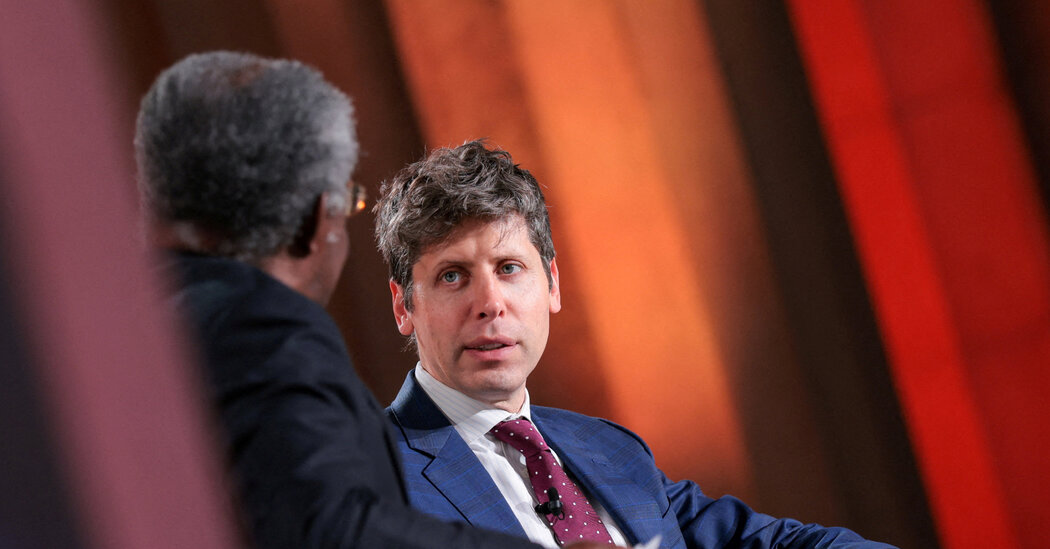
It’s no secret that tech giants are pouring resources into Washington like never before, and OpenAI is leading the charge with pomp and circumstance. On Wednesday, they’re throwing open the doors to their very first lobbying office in the heart of the nation’s capital, dubbed “the Workshop.” Picture this: a sleek space that’s equal parts lab for tinkering and showroom for dazzling visitors, all tucked away just a stone’s throw from the White House. OpenAI’s big idea here is to bridge the gap between cutting-edge AI innovation and the folks making policies that could shape the industry’s future. They’re positioning themselves as collaborators, not just creators, hosting events where lawmakers can geek out on AI demos and chat about real-world applications. This move isn’t just about showmanship; it’s a strategic play to ensure their voice is heard loud and clear in the corridors of power. As Chris Lehane, OpenAI’s chief global affairs officer, puts it, they’re treating AI like a game-changer on par with the wheel or electricity, pushing for policies that match that transformative scale. By dropping $1 million on federal lobbying in just the first quarter of this year—twice what they spent a year ago—they’re showing they’re dead serious about influencing discussions on everything from data centers to copyright use. It’s all part of their broader strategy to keep the tech evolving without too much red tape, especially in what feels like a global AI arms race.
Meanwhile, the competition isn’t sitting idle. Just down the street, rival Anthropic flipped the switch on its own DC outpost back in April, right amid a heated showdown with the Pentagon over deploying their AI tech for military purposes. Anthropic hasn’t been shy about ramping up its presence either—hiring a lineup of six lobbying firms and ballooning their federal lobbying spend to $3 million last year, a tenfold jump from the prior period. This isn’t just about cash; it’s about boots on the ground. They’ve expanded their policy team threefold in the past year and announced plans to triple it again this year, bringing in heavy hitters like Anthony Cimino as their first official head of lobbying. In a move straight out of a political thriller, they even enlisted a Trump-connected firm, Ballard Partners, in March to muster support from the White House after getting slapped with a “supply-chain risk” designation by the Defense Department. Their new office isn’t just a desk farm; it’s designed for grand gestures, with expansive event spaces where they can demo their tech to regulators and hash out the nitty-gritty of national security, economic impacts, and safety. Lately, they’ve been stirring the pot with releases like their Mythos model, which they claim can sniff out software vulnerabilities so effectively it might trigger a “cybersecurity reckoning.” It’s sparked real talks in the Oval Office about potential executive orders mandating model testing, with Anthropic’s Sarah Heck emphasizing a need for industry-government teamwork to keep America at the forefront.
The whole scene in Washington’s tech circles feels like a fever pitch, with AI taking center stage more than ever. Public advocacy tools like the Alliance for Secure A.I., backed by Facebook co-founder Dustin Moskovitz’s philanthropy, are adding voices to the chorus. This new group, led by Tea Party vet Brad Steinhauser, is advocating for stronger guardrails on chatbots to shield kids from harms they’ve seen firsthand—like tragic cases where teens interacted with AI and faced dire consequences. They’re not alone; broader coalitions including Meta, Nvidia, and Alphabet (Google’s parent) shelled out a combined $47.8 million on lobbying last year, a 22% spike from 2024, making them top dogs in corporate spending. According to watchdog groups like Public Citizen, a quarter of the 13,000 federal lobbyists in DC now dabble in AI issues, up from just 11% in 2023. It paints a picture of a lobbying meltdown, where the big players are scrambling to protect their interests amid growing public unease. Isabel Sunderland from Issue One calls it an “unprecedented deluge of money,” aimed at shielding company reputations while Americans grapple with AI anxieties—from skyrocketing energy bills fueled by power-hungry data centers to job displacement fears. Think tanks and trade associations are chiming in too, filling the airwaves and hill hearings with their takes, creating a vibrant, if chaotic, tapestry of influence.
But why the rush? The stakes couldn’t be higher as Congress watches states roll out dozens of AI bill proposals this year, all aiming to erect safety nets and oversight that federal regulators might preempt. Even President Trump’s administration, which once championed letting American innovators run wild with minimal interference, is now eyeballing government checks on new AI models. It’s a pivot driven by the tech’s dual nature: a boon for productivity and progress, yet a wild card for misuse. Companies like OpenAI, Meta, and Google are arguing for light-touch regulation, warning that heavy-handed rules could handicap the U.S. in its tech rivalry with China. On the flip side, outfits like Anthropic are championing more robust laws, pointing to existential risks that demand proactive safeguards. It’s a classic tug-of-war, with each side deploying data, demos, and dollars to sway lawmakers.
Public opinion is creeping into the mix, especially with midterms looming, amplifying worries that could sway voters and politicians alike. A recent NBC News poll revealed that 57% of registered voters see AI’s risks outweighing its perks, compared to 34% who feel the opposite. Folks are fretting over the environmental toll of those massive data centers gobbling electricity, the potential for AI to upend jobs and disrupt economies, and heartbreaking stories from parents’ groups about AI chatbots linked to teen suicides. These aren’t abstract fears—they’re personal, fueled by real-world incidents that make AI sound less like the future and more like an unpredictable force. Amid this backdrop, most AI firms are nodding toward balanced legislation that fosters innovation while acknowledging dangers. Google’s Julie McAlister sums it up: they’re rooting for federal frameworks that solidify American AI leadership. It’s a delicate dance, balancing ambition with accountability, as society weighs what this powerful tech means for everyday lives.
OpenAI’s kicking off their Workshop with fanfare, including workshops for high school kids and seniors to learn AI basics, building goodwill and educating the next generation. Future events will bring lawmakers and officials into the fold for deep-dive policy chats, turning the space into a hub for dialogue—echoing that famous line from Hamilton about “the room where it happens.” As for Anthropic, their Union Station shindig last September drew the crowds, with founders Dario Amodei and Jack Clark unveiling their tech to policymakers, hammering home transparency needs for models to dodge looming risks. The company’s doubled down with regular White House huddles on potential executive orders. From OpenAI’s litigation battles (like the NYT lawsuit over copyrighted news content in AI training) to Anthropic’s tech-for-warfare legal kerfuffle, these firms are navigating a minefield of ethical, legal, and political challenges. They’re humanizing their pitches—emphasizing safe development, American dominance, and societal benefits—while acknowledging the real concerns. In this whirlwind of lobbying and legislation, one thing’s clear: AI’s future will be shaped not just by code, but by conversations in cozy DC offices, where innovation meets pragmatism, and big money meets even bigger ideas.
Reflecting on this AI lobbying frenzy, it’s clear the industry is at a crossroads, blending high-stakes strategy with a dash of optimism for collective progress. OpenAI’s Workshop inauguration symbolizes this pivot, inviting scrutiny and collaboration in equal measure. As competitors like Anthropic sharpen their policy swords, and voices from groups like the Alliance for Secure AI amplify safety calls, the narrative is evolving from unchecked innovation to responsible stewardship. Public poll numbers hint at a groundswell of caution, pushing policymakers to listen to voters fearing economic shifts and personal perils. Yet, there’s hope in the shared push for frameworks that drive American leadership without stifling genius. AI isn’t just a buzzword anymore—it’s a societal mirror, reflecting our hopes, fears, and the fine line between progress and peril. In Washington’s evolving tech theater, these companies are scripting the next chapter, one policy discussion at a time.