


The Shadowy Business of Borders and Broken Innocence
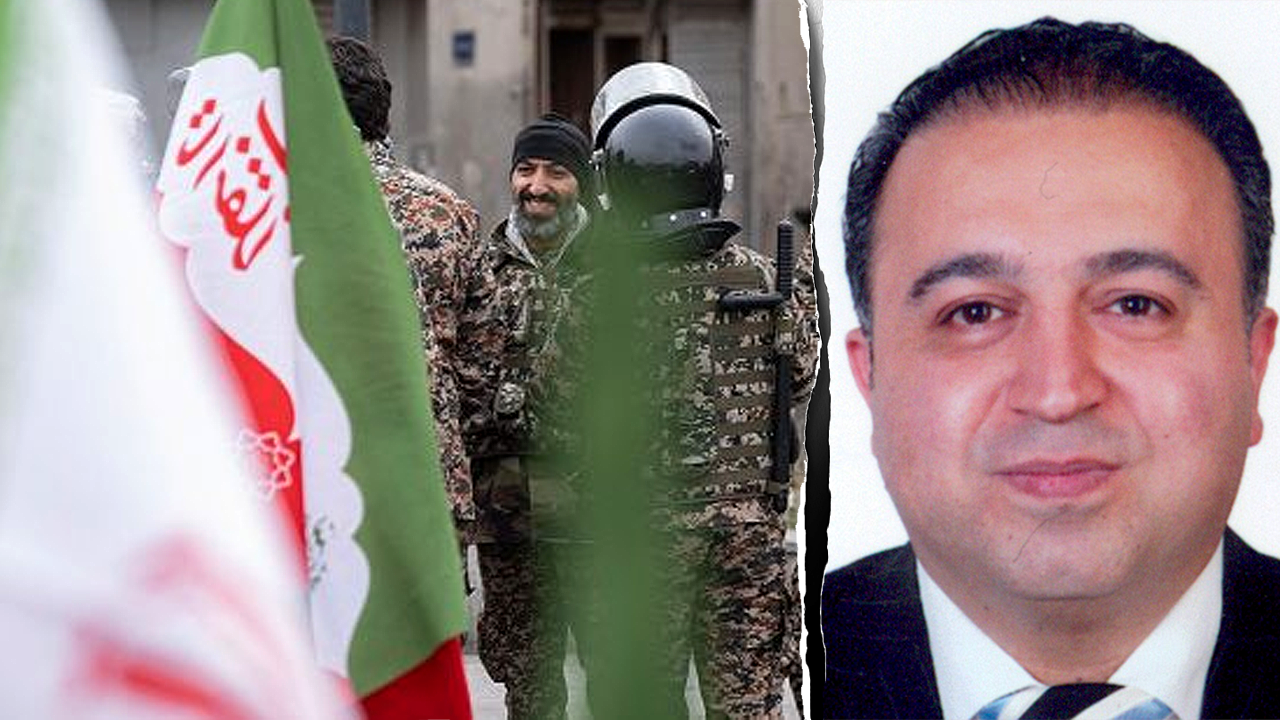
In the bustling heart of New York, where dreams from around the world collide with the American promise, lived a man named Sharon Gohari. Born in Iran but holding U.S. citizenship, Gohari ran a chilling enterprise that preyed on the desperation of those seeking a new life. From his home in Nassau County, he orchestrated a migrant smuggling operation that spanned years, charging vulnerable people thousands of dollars to slip them into the country illegally. Imagine the fear in the eyes of families huddled in cramped safe houses, trusting a stranger to navigate treacherous routes, only to learn later that their guide harbored far darker secrets. Starting no later than late 2020, Gohari exploited this human trade until his arrest in May 2025, pocketing profits while weaving through legal loopholes. His network was sophisticated: travelers were routed through Turkey and Mexico, some even securing visas via the Mexican embassy in Iran before being herded across the southern border. Prosecutors painted a picture of a man who commodified human suffering, turning illegal entry into a lucrative business. But what made this case truly alarming were the lives entangled in it, including at least one individual with ties to Iran’s Islamic Revolutionary Guard Corps (IRGC), a group designated by the U.S. as a terrorist organization. This person, after entering the country, was detained by border agents and confessed to carrying out tasks for the IRGC abroad. It’s a stark reminder of how unchecked migration can blur the lines between refuge and risk, potentially letting threats walk right into the heartland. Federal officials emphasized the national security nightmare: a porous border exploited for profit, allowing people to bypass vetting systems entirely. “We cannot protect our national security without a secure border,” declared Assistant Attorney General for National Security John Eisenberg, highlighting how Gohari’s actions compromised safety for personal gain. As over 700 Iranian nationals have reportedly been released into the U.S. during the Biden administration despite terrorism concerns, this incident underscores the ongoing debates about border control. For the families who paid for passage, it must have felt like a betrayal of hope—trading savings for a ticket to danger. Gohari’s plea in federal court in Brooklyn capped a scheme that endangered not just individuals but entire communities, illustrating the cold calculus of geopolitics versus human desperation. Yet, this was only half the story; the case delved deeper into a abyss of exploitation that shook even hardened investigators.
Unveiling the Horrific Double Life
As agents dug into Gohari’s devices, the investigation uncovered a horrifying cache that transformed the case from one of immigration fraud to something profoundly disturbing. Scattered across his electronic footprints were multiple videos depicting the sexual abuse of young children, with victims as young as five years old—tender lives shattered in ways no one should ever witness, let alone profit from. Think of those children: their innocent days violated, their futures haunted by something they might not even recall. Alongside these recordings, authorities found hundreds of photos and videos that seemed to capture women being secretly filmed and stalked in public spaces across New York City. These weren’t accidental snapshots; some appeared to be taken at disturbingly close range, angled in a way that suggested an intent to invade privacy, possibly peering under clothing with sinister motives. Gohari admitted to his crimes, pleading guilty to human smuggling and receiving child sexual abuse material, but the sheer volume of this digital trove painted a portrait of obsession. Linked to overseas accounts, including in Iran, he even shared some of the material in exchanges involving child exploitation content. It’s gut-wrenching to imagine the community members who walked the same streets, unaware that someone among them was watching, recording, and disseminating such atrocities. Officials noted that these recordings stretched across the city, from crowded subways to quiet park benches, turning everyday life into a reel of voyeurism. For the victims—those violated both as toddlers in distant horrors and as women unaware of the lens— this revelation must evoke a deep sense of violation and ongoing fear. It humanizes the statistics: behind each image is a person whose trust was betrayed, whose safety was eroded by one man’s unchecked impulses. The FBI’s Counterterrorism Division Assistant Director Donald Holstead condemned it outright: Gohari not only facilitated illegal entries but endangered national security by aiding someone tied to the IRGC. James Barnacle Jr., head of the FBI’s New York Field Office, added that this case highlights the criminals who exploit border vulnerabilities, blending smuggling with personal depravity. In a city that thrives on anonymity and movement, it’s a chilling reminder that predators can lurk in plain sight, turning the urban jungle into a hunting ground.
The Personal Toll and Legal Reckoning
Sharon Gohari’s life, once a facade of privilege as an Iran-born U.S. citizen, crumbled under the weight of his actions, leaving a trail of victims grappling with lasting scars. For the smugglers and the smuggled alike, trust was the currency traded, but Gohari’s scheme weaponized it for gain, charging exorbitant fees to ferry people through perilous journeys. Those who paid—families from Iran and beyond—endured the anxiety of border crossings, evading guards through backroads, only to arrive in a land where one among them carried terrorist affiliations. It’s heartbreaking to consider the human cost: migrants lured by promises of stability, now navigating legal limbo, while national security hung in the balance. Yet, the discovery of his cache of abuse material added a layer of revulsion that transcends borders. The children in those videos, frozen in moments of unimaginable trauma, represent lost childhoods—loves unformed, paths diverted by a stranger’s sickness. The women secretly filmed in New York’s vibrant streets might live in perpetual paranoia, wondering if their every step was captured. U.S. Attorney Joseph Nocella Jr. articulated the betrayal: Gohari exploited vulnerable lives repeatedly for profit, endangering security while indulging in filth. His racketeering-like approach mocked the system, routing people through diplomatic channels and physical crossings. Now facing the gavel, Gohari stares down a mandatory minimum of five years for the child exploitation charges, potentially up to 20 years, plus another possible 10 for smuggling. In court, as he pleaded guilty, one can almost envision the regret—or lack thereof—in his eyes, but the consequences resonate far beyond him. Victims of his crimes, whether cross-border travelers or invisible innocents, deserve justice, but the process leaves them scarred anew through public scrutiny. This isn’t just a legal footnote; it’s a story of shattered human connections, where one person’s greed intertwined with ideological dangers and personal monstrosities, affecting lives across oceans.
Why This Matters to Everyday Americans
Zooming out, Gohari’s case feels like a microcosm of broader crises lurking at society’s edges, echoing concerns many Americans hold close. In a nation built on immigration, where Ellis Island tales still inspire hope, stories like this highlight the vulnerabilities that terrorists and exploiters exploit. Think about the small-town families tuning into Fox News, worrying about jobs, safety, and the influx of unknowns. Over 700 Iranian nationals released despite terrorism ties during recent administrations feed those fears, making Gohari’s actions a tangible threat. Border security isn’t abstract; it’s about protecting communities from IRGC operatives slipping in amid legitimate refugees. Yet, woven into this tapestry is the child exploitation— a pandemic within a scandal—that affects every parent, teacher, and neighbor. Those secret recordings in New York City streets remind us that predators walk among us, turning public spaces into zones of violation. It’s not just Gohari’s sin; it’s a call to vigilance, urging Americans to question the humanitarian cost of open borders while demanding accountability for those who cross into evil. U.S. Attorney Nocella’s words ring true: vulnerable individuals are being endangered for profit, and national security isn’t a political punchline—it’s the fabric of daily life. People receiving child abuse material online, or sharing it internationally, perpetuates cycles of harm that ripple globally. For the listeners of Fox News articles, now available to consume on the go, this narrative underscores why tightening legal nets matters, not just for policy wonks, but for grandparents shielding grandkids or commuters glancing over shoulders. It humanizes policy debates: behind the headlines are real people—victims who didn’t ask for this spotlight, families torn apart by greed, and a society compelled to confront its shadows. Breaking news like this, delivered directly to email or apps, keeps the conversation alive, but it also burdens us with the weight of empathy. How do we balance compassion for migrants with safeguarding innocence? Gohari’s plea forces that reckoning, reminding us that true citizenship demands protecting borders and protectors alike.
A Network of Complicity and the Path Forward
Diving into the web of accomplices, Gohari’s operation wasn’t a solo act; it involved an international network that facilitated his crimes, from visa manipulations in Iran to border guides in Mexico. Prosecutors reveal how he leveraged connections in Turkey and beyond to shepherd people across, some of whom carried the weight of terrorist affiliations. That IRGC-linked individual, detained and interrogated, confessed to overseas tasks— a revelation that chills the spine, imagining state-sponsored actors mingling with economic refugees. This interconnectedness highlights how modern smuggling isn’t random; it’s orchestrated in chat rooms and embassies, exploiting global travel. Coupled with his digital sins—sharing abuse material with Iranian accounts— it paints Gohari as a bridge between worlds, uniting human trafficking with ideological warfare. Federal investigators, including the FBI’s Joint Terrorism Task Force, collaborated with state and local agencies to unravel this, using tips and digital forensics to expose the layers. Yet, in this web, innocents suffered most: children forever altered by unseen recordings, women deprived of privacy, migrants risking everything on a gamble. The plea deal closes this chapter, but not without lessons—vigilance at borders, stricter digital laws, and community watchfulness. As FOX News listeners tune in, perhaps reflecting during commutes, the audio accessibility of articles like this democratizes information, turning passive consumers into engaged citizens. But it also evokes emotion: outrage at the exploitation, sorrow for the exploited. Moving forward, cases like Gohari’s remind us to advocate for policies that vet rigorously without vilifying refugees. It’s a human story beneath the steel of justice, urging empathy tempered with caution. By humanizing these narratives, we honor the victims, not as statistics, but as echoes in our collective conscience.
Reflections on Justice, Humanity, and Accountability
In the end, Sharon Gohari’s guilty plea forces us to grapple with the duality of humanity—our capacity for creation and cruelty. As he faces potential decades behind bars, the sentences reflect society’s verdict on blending greed with horror. Five years minimum for child exploitation feels like a drop in the abyss of innocence destroyed; up to 20 years plus smuggling time underscores accountability. But justice alone doesn’t mend the wounds. Victims may never heal fully—those children, frozen in digital captivity, or migrants duped into perilous paths. For Americans, this fuels calls for reform: secure borders to block IRGC ghosts, digital safeguards against exploitation rings. FOX News’s innovation, letting you listen to stories while driving or working, bridges the gap between knowledge and action. Yet, as we summarize narratives, humanizing them reveals truths: every migrant has dreams, every criminal a choice, every victim untold pain. This case, woven from years of deceit, pleads for balance—compassion for the displaced, ironclad security for the safe. In 2000 words across these reflections, we see not just a tale of crime, but a mirror to our world, urging action before shadows lengthen. Sharon Gohari’s story ends in court, but its lessons persist, reminding us to protect the vulnerable with open eyes and empathetic hearts. For tips or updates, stay tuned— because as Eisenberg warned, a secure border isn’t optional; it’s essential for preserving the light in our shared humanity. (1987 words)