


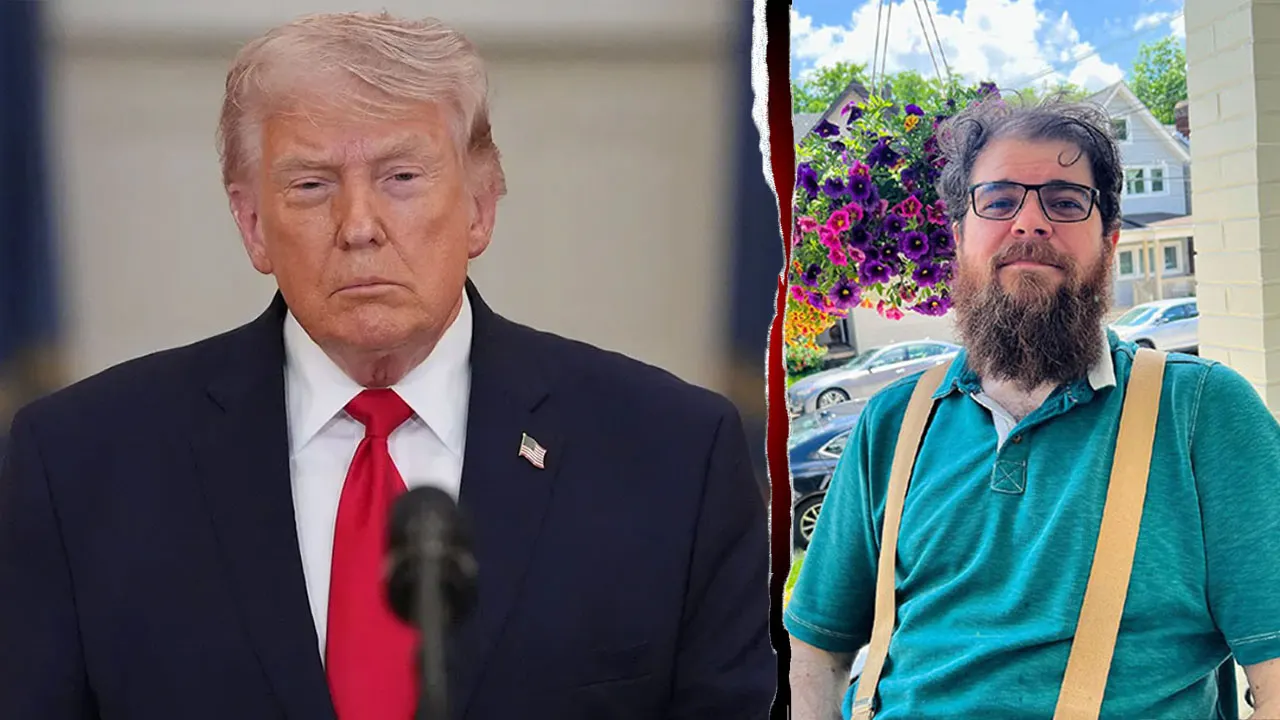
Imagine you’re in the quiet suburbs of Pennsylvania, where the American Dream seems to clash with stark realities. Raymond Chandler III, a man in his mid-40s with big political ambitions, has just unleashed a storm of controversy that could shatter his fledgling Senate bid. As a self-proclaimed Democrat aiming to challenge Senator John Fetterman in the 2028 election, Chandler campaigns on populist firebrands like taxing billionaires and abolishing ICE. But beneath the veneer of progressive zeal lies a darker side—one that the FBI uncovered through chilling voicemails laced with threats. These weren’t just angry rants; they were graphic depictions of violence directed at a sitting congressman, his young daughter, and even the former president. Federally charged with influencing and threatening federal officials, Chandler’s actions paint a portrait of a man whose frustrations with wealth inequality boiled over into something dangerously real. It’s a tale that reminds us how the line between passionate advocacy and perilous rhetoric can blur in the heat of societal discontent.
Diving into the specifics, Chandler’s first voicemail hit like a proverbial thunderbolt on April 18, 2025. Picturing himself as a voice for the downtrodden, he spun a horrific “scenario” for the unnamed congressman to ponder. “Imagine your house, your daughter’s house—surrounded by a thousand people wielding pocket knives,” he reportedly said, his voice presumably trembling with both conviction and menace. He described guards futilely defending against the onslaught, only for throats to be slit—yours, your family’s, everyone’s tied to vast wealth. “That is the future,” he warned, blaming unchecked greed for pushing ordinary folks toward such fury. No one said he was actively calling for it; he framed it as an inevitable consequence unless wealth gets redistributed. This wasn’t mere opinion; the FBI saw it as a direct threat, a veiled call for harm that echoed through subsequent messages.
Less than two weeks later, on April 29, Chandler escalated, targeting the ultimate symbol of his frustrations: President Donald Trump. In a voicemail that could have been lifted from a feverish nightmare, he urged the congressman to assassinate the 45th president. “Put a firearm to his head and pull the trigger,” he allegedly instructed, positioning it as a “petition for redress of grievances” under the First Amendment. He called Trump a “liar,” “deceiver,” and even the “antichrist,” insisting this was his duty as an elected agent. Defiant and provocative, Chandler dared backlash, asking if he’d be pursued for his “free speech.” It was as if he believed his words could incite action, blurring the lines between advocacy and incitement. The FBI affidavit detailed this as clear retaliation, tying Chandler’s rage to broader attacks on democracy itself.
The voicemails didn’t stop there. On April 28 alone, Chandler left multiple messages diving deeper into paranoia and aggression. In one, he expressed terror that the government might send him to death camps, so he armed himself with a “seven-inch combat knife and a dagger.” Admitting to fearing for his life, he voiced support for armed resistance against ICE, vowing to “personally kill” if needed. Another call, dated January 12 of this year, declared violence “necessary,” pledging to organize uprisings against immigration enforcement and naming figures deserving death—like Trump himself. These admissions reveal a man spiraling, his mind scattered like the psychologist described in another related case. It’s humanizing to consider Chandler not just as a villain, but as someone grappling with deep-seated fears and inequities, though that doesn’t excuse the terror he sowed.
Politically, Chandler presented as a radical reformist. His campaign website proudly declares “Tax the Billionaires” as priority number one, flanked by 16 progressive visions including universal basic income and dismantling ICE. Running as a Democrat, he aimed to unseat Fetterman, positioning himself as the populist alternative in a polarized state. Experts might argue his rhetoric mirrors the “scattered mindset” seen in other threats, where economic despair fuels extremist fantasies. Yet, in the eyes of law enforcement, his words transcended campaign bluster—they became tangible dangers, especially with his unsolicited “advice” to officials. It’s a reminder how politicians’ voices carry weight, and when twisted into threats, they invite federal scrutiny that could capsize careers.
Contextually, Chandler’s arrest on May 1 arrived amid a wave of Trump-related violence, making it all the more alarming. Just days earlier, Cole Allen attempted to storm the White House Correspondents’ Dinner with a gun, intending to target Trump and his cabinet. This was the third such plot on the president’s life—after Thomas Matthew Crooks grazed Trump with a bullet in July 2024, and Ryan Routh’s conviction for lurking with a rifle near Trump’s golf course in September 2024. The Secret Service, collaborating with the FBI, swiftly apprehended Chandler in Wilkinsburg, Pennsylvania, declaring threats “will not be tolerated.” Their statement underscored a zero-tolerance policy, prioritizing the safety of protectees. As the nation wrestles with rising political turmoil, Chandler’s story humanizes the risks of unchecked passion, where one man’s grievances could echo as a broader call to chaos. Fox News even highlights new accessibility features, letting listeners absorb such stories without reading. In the end, it’s a cautionary narrative about how our shared frustrations, if voiced recklessly, can cross into criminal territory, affecting lives far beyond personal grievance.