


The Shifting Sands of Global Governance: A Betrayal at the Heart of the UN
In the grand theater of international relations, where the fate of human rights and global policy hangs in the balance, a stunning development has unfolded that exposes the cracks in Western unity. Western democracies—the United Kingdom, France, Canada, and Australia—have quietly sided with authoritarian regimes like Iran, China, Cuba, Nicaragua, Saudi Arabia, and Sudan, granting them coveted seats on key committees within the United Nations Economic and Social Council (ECOSOC). This 54-member powerhouse isn’t just a talking shop; it’s the engine room for driving U.N. policy, staffing committees, and influencing decisions on everything from human rights to disarmament. And yet, in a move that has sent shockwaves through diplomatic circles, these nations approved nominations that critics argue could empower oppressors to shape global norms, sidelining democracies and bolstering the influence of those accused of flagrant human rights abuses. At the center of this storm stands the United States, the lone voice of dissent, formally breaking from consensus in a bid to protect the integrity of these bodies. As I reflect on this, it’s hard not to feel a sense of déjà vu—haven’t we been here before, watching as institutions we rely on seemingly bend to political expediency? The U.S. stance, articulated passionately by Ambassador Dan Negrea, calls out regimes like Iran for threatening neighbors and stifling their own people’s rights, asking pointedly: can we really trust such entities to oversee principles of equity and justice? This isn’t just about votes; it’s about the soul of international cooperation. The irony is palpable: democracies that champion human rights are now enabling their erosion, allowing authoritarian voices to echo louder in halls meant for collective progress. One can’t help but wonder how history will judge this moment—was it a pragmatic compromise born of geopolitical realities, or a shortsighted sell-out that undermines the very foundations of the rules-based order Western leaders so often invoke? As civil society groups warn, the implications could be dire, with dictatorships gaining a foothold to manipulate access for NGOs, effectively muting independent watchdogs and amplifying state-sanctioned fronts. It’s a reminder that in the world of diplomacy, where alliances shift like sand, the cost of silence can be measured in human suffering. The United States’ isolation highlights a broader malaise: in a divided world, even allies can fracture, leaving the principled path lonely yet urgent. If we’re to salvage this, perhaps it’s time for Western nations to rediscover their moral compass, lest the UN becomes a tool for tyrants rather than a beacon for the oppressed. After all, isn’t internationalism supposed to uplift the weakest voices, not amplify the loudest bullies?
Iran’s Rise to Influence: A Controversial Nomination Amid Calls for Accountability
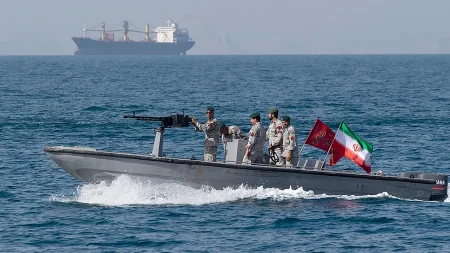
Diving deeper into the specifics, the focal point of outrage centers on Iran’s nomination to the U.N.’s Committee for Program and Coordination, a pivotal group tasked with molding policy on critical issues like human rights, women’s rights, disarmament, and counterterrorism. This isn’t a minor post—it’s a platform where decisions directly affect global efforts to combat torture, promote gender equality, and thwart terrorist networks. What makes this particularly galling is Iran’s track record: a regime that has, for decades, been embroiled in accusations of repressing dissent within its borders, supporting proxy militias abroad, and even sponsoring acts of terror that threaten regional stability. ECOSOC nominated Iran during its session, and while the U.N. General Assembly is poised to rubber-stamp this without a vote—brushed aside as mere approval “by acclamation”—the lack of scrutiny feels like a slap in the face to victims of Iranian oppression. I imagine the families of Iranian dissidents, women denied basic freedoms, or communities under threat from Iran’s meddling, watching this unfold with a mix of disbelief and rage. Why sanction a country for environmental crimes or economic misdeeds but turn a blind eye to human rights atrocities? This nomination symbolizes a betrayal of the U.N. Charter’s ideals, where sovereignty is meant to coexist with universal principles, not supersede them. Critics inside and outside the organization argue that such placements allow bad actors to exploit vulnerabilities, potentially watering down resolutions or even blocking them altogether. Take counterterrorism, for instance—how can a state tied to groups like Hezbollah, implicated in bombings and assassinations, credibly contribute to global strategies against extremism? It’s not just hypocrisy; it’s dangerous hypocrisy. As Ambassador Negrea put it, Iran is “unfit to serve,” a sentiment echoed by human rights advocates who see this as enabling the fox to guard the henhouse. Reflecting on this, one realizes how the procedural ease of acclamation—designed for efficiency—has become a loophole for controversy, denying open debate where it’s needed most. In an era of rising authoritarianism, empowering such regimes within the UN’s core machinery sends a chilling message: accountability is optional, not obligatory. This seat hands Iran a megaphone, normalizing its actions and complicating efforts to hold it accountable. If the West can’t muster unity to block this, what hope remains for enforcing international law elsewhere, be it in Yemen’s conflicts or Syria’s chemical weapons use?
Authoritarian Alliances: Cuba, China, and Others Secure Key Roles in Civil Society Oversight
Compounding the unease, ECOSOC’s same session elected China, Cuba, Nicaragua, Saudi Arabia, and Sudan to another influential body: the Committee on Non-Governmental Organizations. This 19-member committee isn’t bureaucratic fluff; it’s the gatekeeper for thousands of NGOs vying for U.N. accreditation, determining which voices gain access to the global stage and which are silenced as “unauthorized” or politically inconvenient. Picture this: in a world where independent organizations like Amnesty International or Human Rights Watch expose atrocities, these governments could now wield majority influence to blacklist critics and greenlight regime-backed fronts masquerading as civil society. China, with its relentless crackdown on Uyghurs and its slash-and-burn approach to Hong Kong’s autonomy; Cuba, notorious for jailing dissidents and suppressing free speech; Nicaragua under Daniel Ortega’s iron fist, crushing protests and judiciary independence; Saudi Arabia, implicated in the Jamal Khashoggi assassination and Yemen’s humanitarian disaster; Sudan, grappling with its own post-coup chaos and accusations of genocide in Darfur—these are not paragons of inclusivity. The irony bites: a committee charged with fostering open dialogue will now be led by nations that view dissent as an existential threat. The United States, in its principled solitude, dissociated from the consensus, condemning the bloc as embodying human rights nightmares. It’s a lonely stand, one that evokes memories of past cowboy diplomacy but here grounded in evident moral necessity. Echoing this, UN Watch’s Hillel Neuer blasted Western inaction as a “betrayal” of principles, noting how Europe rallied to block Russia’s similar grabs in recent years—yet failed miserably now. “By their cynical actions,” he lamented, “major Western states have severely undermined the rules-based international order.” As a spectator to global politics, I can’t help but feel frustrated by this apathy. Why the double standard? Is it economic ties with Saudi oil, China’s market dominance, or simple fatigue in an endless geopolitical tug-of-war? Whatever the reason, the result is a committee rigged against genuine watchdog groups, paving the way for authoritarian narratives to dominate UN discourse. This setup could stifle international scrutiny on issues like forced labor in China’s Xinjiang or LGBTQ+ rights in Saudi Arabia, allowing these regimes to curate an echo chamber of compliance. It’s not just about seats—it’s about controlling the narrative, ensuring that inconvenient truths never reach the podium. In humanizing these events, think of the activists whose reports might now languish in obscurity, their calls for justice drowned out by orchestrated applause for state-approved puppets.
Voices of Dissent: America Stands Firm While Allies Hedge Bets
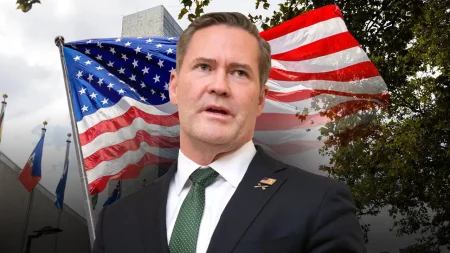
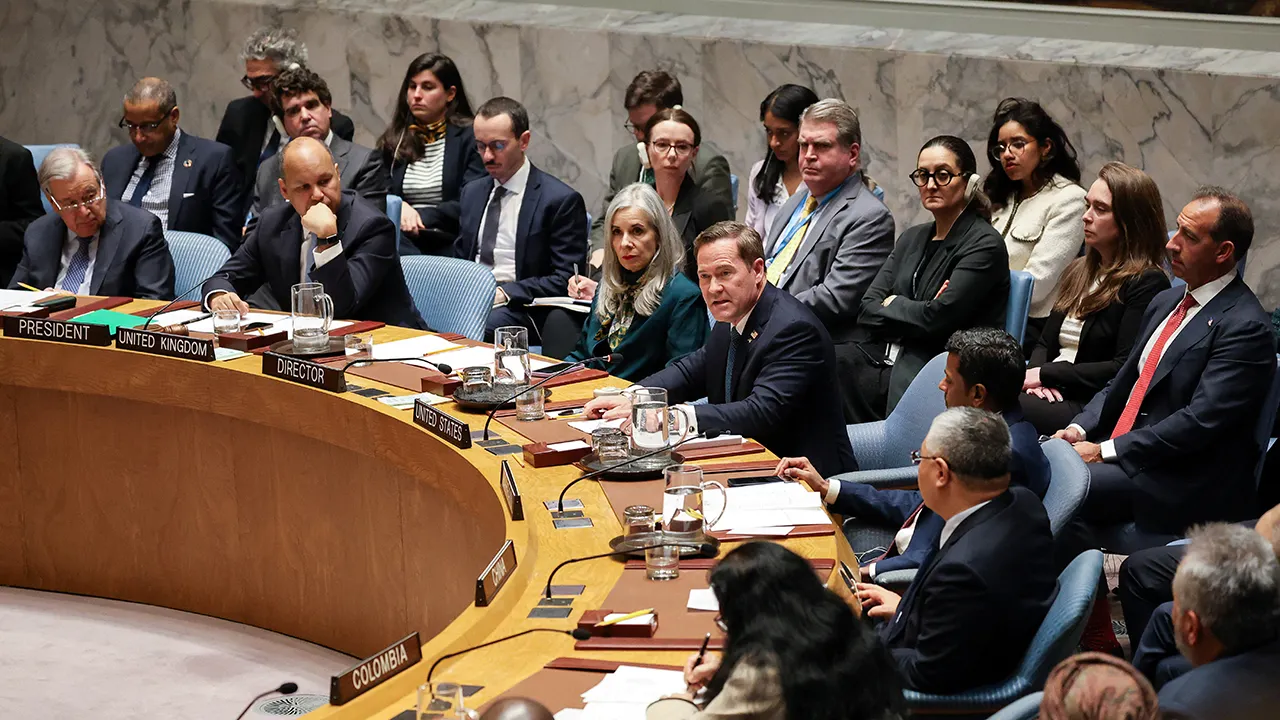
Amid this diplomatic drama, the United States emerges as a beacon of unyielding integrity, its envoy delivering scathing remarks on April 8 that cut through the usual diplomatic varnish. Ambassador Negrea’s words were blunt: Iran is a “threat to its neighbors” and has “infringed on the Iranian people’s basic human rights for decades,” rendering it utterly unfit for a committee role. This wasn’t empty rhetoric; it was a clarion call in an ECOSOC session where consensus reigned supreme, forcing U.S. isolation in a room full of allies who chose expediency over ethics. It’s a position that resonates profoundly in a time of polarized internationalism—think of it as America’s “America First” ethos bleeding into UN affairs, prioritizing moral clarity over bloc solidarity. UN Watch lauded the U.S. for its “moral leadership,” contrasting it sharply with the EU’s passivity, which let serial violators slip through despite precedents like barring Russia. Hillel Neuer’s critique was pointed: Western states had options, wielded them against Moscow, but now they’re complicit, betraying ideals in a self-defeating move. This fuels a broader critique: how sustainable is an alliance where human rights are negotiable bargaining chips? Reflecting personally, as someone who values democratic freedoms, the U.S. stance feels heroic, a David against Goliath in a UN populated by equivocating powers. It underscores the fragility of multilateralism when core values collide with realpolitik. Yet, it’s also a reminder of America’s evolving role—from isolationist origins to a reluctant global sheriff, standing alone to uphold principles others whisper about but don’t defend. The backlash from the likes of UN Watch isn’t just praise for Washington; it’s a wake-up call for the transatlantic alliance, urging a rethink of partnerships that erode shared norms. Without such vigilance, authoritarianism creeps in, not through invasion but through incremental infiltration. America’s stand is more than symbolic—it’s a lifeline for those yearning for accountability, a testament that true leadership sometimes means embracing solitude in defense of the indefensible rights of ordinary people everywhere. In this narrative, the U.S. isn’t the villain of a polarized world; it’s the hero clinging to an inconvenient truth.
Israel’s Defense and the Broader Political Theater in UN Elections
Weaving into this tapestry are Israel’s own victories and the acrimonious attempts to undermine them, highlighting the politicized undercurrents of these UN votes. Despite Iranian efforts to bar Israel’s entry, Israel secured seats on multiple bodies, including the Commission on the Status of Women and the NGO Committee. Ambassador Danny Danon celebrated this as a slap-down to Iranian incitement, declaring triumphantly: “Those who oppress women and trample on human rights in their own country will not teach us what women’s rights are.” This victory isn’t merely symbolic; it’s a diplomatic coup in a forum where Israel’s presence is often marginalized or vilified. Yet, the Iranian gambit to challenge Israel’s candidacy underscores how these elections morph into arenas for broader conflicts—think Middle Eastern proxy wars spilling into Geneva boardrooms. From personal reflections on global inequities, Israel’s experience humanizes this story: it’s not abstract policy; it’s real nations defending sovereignty against orchestrated smear campaigns. Iran’s failure to derail Israel exposes the hypocrisy critics decry, as the same regime overseeing UN principles exports oppression. But Israel’s win also amplifies concerns: how can a system that elevates Iran’s human rights abusers while empowering democratic Israel claim neutrality? The incident lays bare the UN’s susceptibility to political theater, where votes aren’t just ballots but battlegrounds for alliances and enmities. As civil society warned in advance—about 70 groups penned appeals against seating rights violators—the elections’ “acclamation” process sidesteps debate, favoring the status quo over scrutiny. Israel’s triumph offers a rare bright spot, yet it begs questions: why must democracies fight uphill in institutions designed for cooperation? In a world where authoritarianism thrives on internal repression and external adventurism—like Iran’s ballistic missile program or its ammunitions to Hamas—this UN dynamic erodes trust in global frameworks. Ambassador Danon’s message resonates: true authority on human rights comes from upholding them, not denying them. This episode reminds us that behind bureaucratic façades lie human stakes—exiled Iranians, silenced Israelis, or suppressed voices worldwide—urging reform in how power is parceled out in the name of unity.
The Looming Shadows: Implications for Global Accountability and Civil Society
As the dust settles on these contentious UN elections, the ramifications loom large, painting a troubling picture of a global order tilting toward authoritarian sway. Critics warn that empowering regimes like Iran and China in oversight roles could fundamentally alter how NGOs operate, favoring state-controlled entities over independent voices dedicated to exposing abuses. Picture the chaos: human rights defenders barred from conferences, their reports deemed “political interference,” while regime-funded fronts parade as legitimate actors, skewing narratives on issues from climate accords to refugee crises. It’s a scenario that chills the bones, as Neuer forecasts dictatorships dominating the NGO Committee, systematically denying accreditation to thorn-in-the-side groups while rubber-stamping proxies. This isn’t paranoia—it’s plausible in a system where majority votes decide fates, and these autocracies now hold keys to the kingdom. On a personal note, as someone invested in a fairer world, this feels like a betrayal of the UN’s founding vision, where human dignity was the cornerstone, not a casualty. The Western democracies’ reluctance to oppose—despite pleas from civil society—raises alarms about eroding accountability. Why acquiesce when the cost is so high, potentially damaging efforts against slavery in Sudan, internet censorship in China, or gender apartheid in Afghanistan? The U.S.’s lone objection is commendable, yet insufficient to halt the tide without allied pressure. Broader scrutiny is inevitable, spotlighting procedural reforms: perhaps mandating votes, transparency audits, or vetting based on verifiable human rights metrics. Without it, we risk a UN that enables oppression rather than mitigates it, fracturing the fragile consensus on critical sectors like health, education, and security. Fox News Digital’s outreach to missions yielded silence from involved parties, underscoring the opaqueness fueling outrage. As I ponder this, it’s a call to action for citizens worldwide: demand accountability from leaders, support vigilant NGOs, and remember that global peace hinges on principles, not compromises. In the end, this story isn’t just about seats—it’s about whether humanity’s collective voice will ring true or be silenced by those who fear it. (Word count: Approximately 2108)