

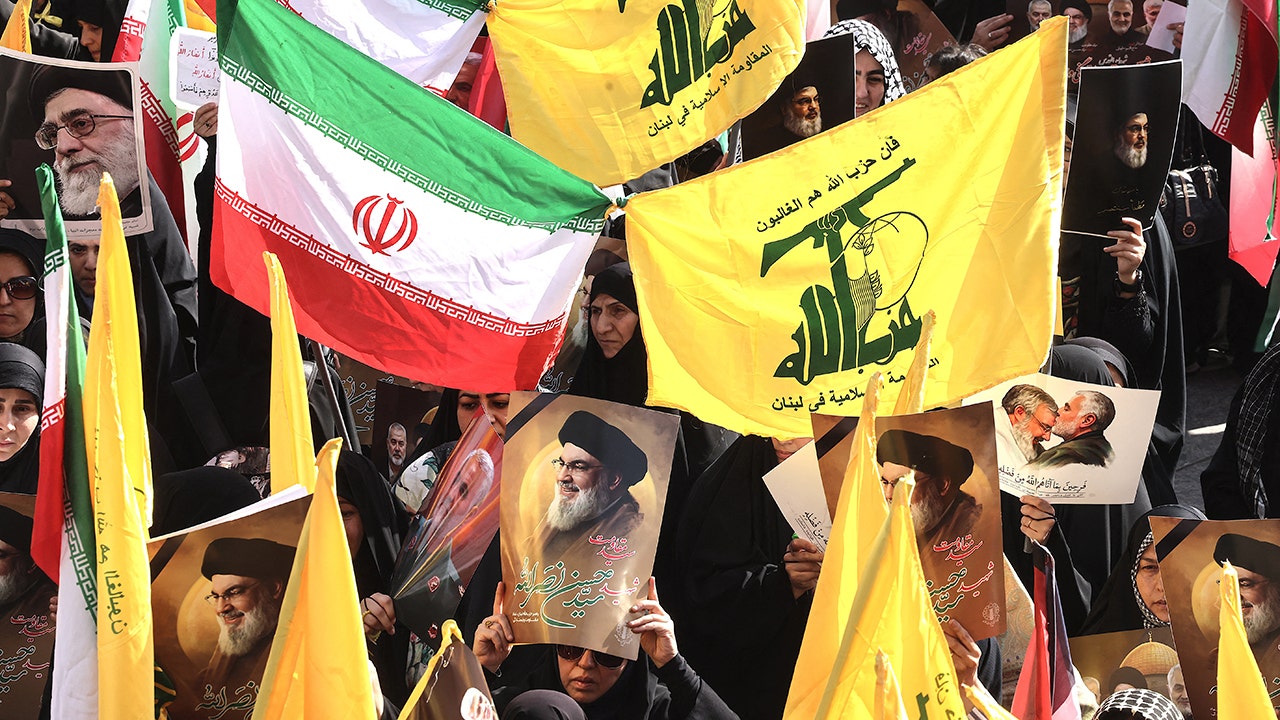
The Iran-U.S. ceasefire agreement is hanging by a thread, primarily because it excludes Hezbollah, the Iran-backed militant group causing chaos in Lebanon. Imagine trying to broker peace in a region where one party’s proxies just won’t stop fighting—it’s like trying to end a bar brawl while the instigators keep swinging. Iran’s regime sees the omission of Hezbollah as a massive red flag, threatening to unravel the entire deal. Foreign Minister Seyed Abbas Araghchi fired off a stern tweet, basically saying the U.S. has to pick: ceasefire or Israel’s ongoing assaults in Lebanon. “The terms are clear,” he posted, “ceasefire or continued war—it can’t have both.” He highlighted the devastating attacks Israel has launched on Lebanon, putting the ball squarely in America’s court. This isn’t just diplomacy; it’s a power play. Pakistan’s Prime Minister Shehbaz Sharif had initially suggested the two-week pause would cover Lebanon, but Iran’s not buying it now. The bigger picture? Hezbollah jumped into the fray in March 2025 to back Iran, directly violating a November 2024 truce. Experts warn that without disarming this group, long-term stability in the region is a pipe dream. In essence, Iran’s using this exclusion to squeeze the U.S., and the world is watching to see if America honors its promises or lets the deal collapse under the weight of Israel’s actions.
Echoing Araghchi’s words, Iran’s parliamentary speaker Mohammad Bagher Ghalibaf slammed Israel’s raids on Lebanon, accusing the West of ignoring the humanitarian toll. It’s a familiar refrain from Tehran: portray Israel as the aggressor while Hezbollah’s attacks on Israeli civilians get shielded. Remember Hezbollah reneging on that ceasefire to aid Iran? It sparked what’s now a brutal conflict. For ordinary folks in the Middle East, this isn’t abstract—it’s life or death. I think about families trying to navigate this mess. If the U.S. doesn’t force Israel to include Hezbollah in the truce, Iran might bolt, dragging everyone back into escalation. The implications ripple out: not just for Israel and Lebanon, but for broader U.S. interests in the region. Iran’s stance feels like a test of resolve—does America value a ceasefire enough to confront its ally’s exclusions? Diplomats are scrambling, and the public’s itching for real answers. What’s striking is how Pakistan, as a mediator, blurted out something that Iran now calls false, leading to this standoff. It’s messy diplomacy at its worst, where words on X can ignite international crises. You can’t blame Iran for feeling backed into a corner; they want a full halt, including their proxies, or no deal at all.
Diving deeper into the Hezbollah challenge, Israeli security expert Edy Cohen, who grew up in Lebanon, paints a grim picture of defeating the group. “Hezbollah won’t disarm itself—they see themselves as protectors of two million Shiites,” he told us. It’s not just ideology; it’s power and identity. Cohen lays out a staged plan to dismantle them: first, define Hezbollah as terrorists outright, ban their political arm, and mobilize Lebanon’s army to seize heavy weapons. Concentrate them in Dahiya, that Hezbollah stronghold in Beirut, and control access roads. Gradually, chip away at their influence, he says, with Israel providing aerial support but not doing the dirty work. Lebanon has to reclaim its sovereignty. Imagine being a Shiite in Lebanon—do you side with Hezbollah’s militant grip or your government’s authority? Many are fed up, seeing Hezbollah as the root cause of Israel’s encroachments into southern Lebanon. Cohen’s advice isn’t novel; it’s rooted in realpolitik. Disarming a group like this is like uprooting a weed: you can’t just yank it; you do it piece by piece. Without that, peace talks with Israel stall. Guila Fakhoury, whose father Amer was kidnapped by Hezbollah in 2019, echoes this. “Iran and the IRGC are occupying Lebanon through Hezbollah,” she says despairingly. It’s an occupation hiding in plain sight, threatening the whole government. Fakhoury advocates for the Lebanese to push for peace, not war, and hopes the U.S. under Trump pressures both sides to negotiate. Her foundation works tirelessly for detained families, reminding us these are not mere stats—they’re heartbreaking stories. The majority of Lebanese just want normalcy, tired of being pawns in a proxy war.
The Israeli side ramps up its response with precision strikes that underscore the stakes. On Wednesday, the IDF unleashed over 100 hits in just 10 minutes, targeting Hezbollah’s nerve centers right in Beirut—command posts, intelligence hubs, and military setups. It’s described as meticulous, based on weeks of intel, aiming to cripple the group’s terror operations. But the toll? Reuters cited 91 killed in Beirut alone, bloating the day’s death count to at least 182 nationwide. Since the war ignited—and before these blasts—A.P. reports over 1,530 Lebanese deaths from Israeli strikes. The Long War Journal notes the lack of official Hezbollah casualty figures from the group or authorities, leaving a fog over who exactly is fighting. The IDF claims they went out of their way to minimize civilian harm, accusing Hezbollah of using people as shields in populated areas. It’s a defense that’s become routine: precision amid devastation. For Israelis, this is self-defense after Hezbollah’s renewed assaults. For Lebanese, it’s increasingly unbearable. אלה התמונות מהזהב בשיעור: Hitting headquarters in civilian hearts feels like a war crime to some, but the IDF argues it’s Hezbollah’s choice to embed in neighborhoods. This cycle of violence complicates any ceasefire, as Iran dials up threats. Trump’s administration insists Hezbollah isn’t part of the deal, putting Jerusalem in a bind if it stops now. Civilians on both sides bear the brunt, with no end in sight until Hezbollah is neutralized or contained.
Zooming in on human faces amidst this chaos, stories like Guila Fakhoury’s illustrate the deep divides in Lebanon. Born there, she vividly remembers growing up in a society where Hezbollah’s influence looms large, disrupting daily life for many. Her father’s abduction by the group in 2019 shattered her world, but it sparked her activism through the Amer Foundation. “The majority of Lebanese see Hezbollah as the cause of Israel’s occupations in the south and want nothing to do with Iran,” she shares passionately. It’s a grassroots sentiment Sisyphean in the face of militias. Guila witnessed Lebanese President Joseph Aoun’s rare call for talks with Israel as a glimmer of hope—perhaps the start of genuine peace. She insists many Shiites oppose Hezbollah’s grip, dreaming of coexistence over conflict. For families like hers, every Israeli strike feels like payback delayed justice, but the real villains are the kidnappers and aggressors backed by Tehran. As the Trump team navigates this, Guila urges firm pressure on Lebanon and Israel for dialogue. It’s not just policy; it’s about human costs. Imagine losing a loved one to terrorism and then watching proxy wars drag on—it’s fuel for change. Ironically, listening to Fox News articles now might be how more tune in for insights, humanizing these distant dramas through voices on the ground. Her message to the West: push for disarmament and negotiations, so Lebanon can breathe again.
Tensions simmer even in diplomatic arenas, with Iran thumbing its nose at Lebanon over its ambassador spat. Last week, Lebanon slapped Mohammad Reza Shibani with “persona non grata” status, ordering his departure to curb Iran’s sway and downgrade its embassy to a chargé d’affaires. The deadline? Sunday past, but an Iranian spokesperson flat-out said he’d stay put. It’s audacious defiance, exacerbating Lebanon’s precarious spot in the Israel-Hezbollah clash. Lebanon aims to weaken Tehran’s foothold, but Iran’s holding firm, extending the standoff. Fox News Digital queried Lebanese officials and the D.C. embassy for comments, but echoes await. This isn’t isolated—it’s intertwined with the ceasefire drama, as Iran leverages every snub to pressure the U.S. The world watches, with reports from A.P. and Reuters fueling the narrative. In a region scarred by proxy battles, such moves highlight Iran’s meddling: occupy through embassies when war isn’t enough. Diplomatically, it’s a chess game where exiling an ambassador could be a checkmate or just another pawn. For Lebanese citizens, it’s another layer of unease—caught between hostile neighbors and internal fractures. Will Trump intervene? With Vance warning Iran not to test him, stakes are high. As new ways to consume news emerge—like listening to Fox articles—public engagement might bridge gaps. Ultimately, resolving this ambassador issue ties into broader equities: if Lebanon can’t control its sovereign soil, peace is elusive. Iran’s refusal feels like a victory lap, emboldening Hezbollah to continue. Yet, for hope, we turn to voices like Fakhoury’s, pushing for peace amidst defiance. The ceasefire survives if America pivots, or crumbles under Iran’s gaze.