


The Rising Tensions: North Korea’s Missile Show of Force
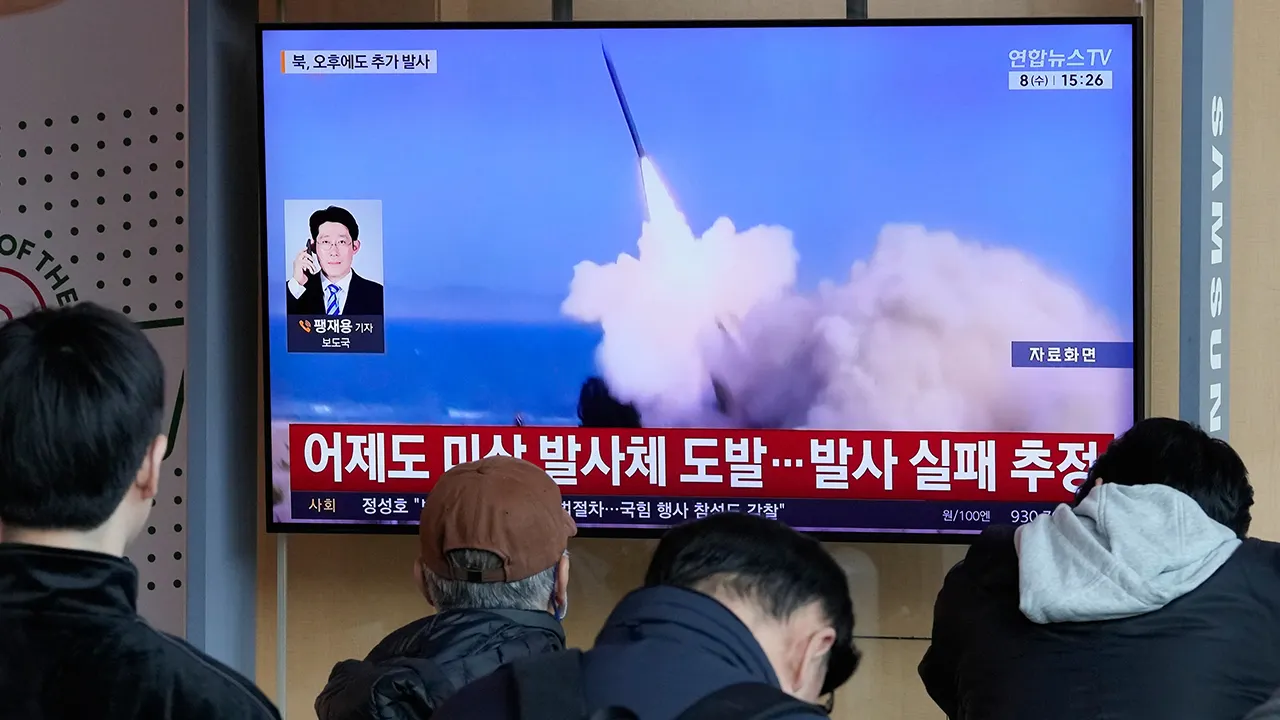
It’s a crisp Wednesday morning along the eastern coast of the Korean Peninsula, and the air is thick with unease as South Korea’s military radars pick up unusual activity. Just days after a puzzling projectile launch from Pyongyang that fizzled out mid-flight, North Korea is at it again—firing off a fresh salvo of short-range ballistic missiles from the Wonsan region. Eyewitness reports from nearby South Korean seas describe the plumes of smoke and the sharp crackle of engines cutting through the sky, as several missiles arc toward the North’s eastern waters, each covering about 150 miles before splashing down harmlessly into the ocean. But that’s not all; later in the day, another missile streaks out, this one a longer ranger, soaring over 435 miles into the East Sea. For locals in South Korea, it’s a stark reminder of the volatile dance between the two Koreas—a relationship that’s been strained for decades, full of bluster, threats, and the constant shadow of war.
South Korea’s Joint Chiefs of Staff don’t mince words when they announce the launches, emphasizing their firm commitment to national defense under a rock-solid alliance with the United States. It’s not just talk; they’ve been on high alert, watching for any signs of provocation from the North. This isn’t isolated—earlier this week, there was that failed launch from near Pyongyang, where military experts observed something irregular early on, like the projectile stuttering or veering off course before vanishing from radar screens. It must have been frustrating for the North Korean engineers, watching their high-tech gadget sputter out like a faulty firework. Yet, in Seoul, it’s business as usual: readiness drills, coordinated responses with American forces, and a quiet determination not to escalate unless absolutely necessary. For ordinary South Koreans, living in the shadow of this persistent threat, it’s a mix of resignation and pride—their democracy stands strong against the authoritarian regime across the border. Families share stories of past crises, like the artillery barrages or cyberattacks, reminding everyone that while the DMZ feels like a world away for some, it’s a front-line reality for others who’d rather focus on everyday life: bustling markets, K-pop concerts, and hopeful talks of reunification that always seem just out of reach.
The launches didn’t happen in a vacuum; they came right on the heels of some sharp-tongued diplomacy that’s left Seoul reeling. North Korea’s First Vice Minister of Foreign Affairs, Jang Kum Chol, delivered a blistering tirade, calling South Korea their “most hostile enemy state” and dismissing hopes for better relations as the daydreams of “world-startling fools.” It’s the kind of insult that cuts deep, especially after South Korean President Yoon Suk Yeol—wait, the article says Lee Jae Myung, there might be a mix-up, but I’ll assume it’s Yoon—had expressed regret over unauthorized drone flights into the North. Kim Yo Jong, the powerful sister of leader Kim Jong Un and a key voice in Pyongyang, had initially responded positively, praising the president’s “honesty and courage” and hinting at a thaw if incidents stopped. But Jang swiftly clarified: that was just a veiled warning, not an olive branch. He quoted Kim Yo Jong labeling South Koreans as “dogs affected by mange that blindly bark to the tune of neighboring dogs,” a crude jab at their recent moves to jointly sponsor U.N. resolutions condemning North Korea’s human rights abuses.
This rhetorical volley underscores the deep freeze in inter-Korean dialogue. South Korean officials had seen Kim Yo Jong’s statement as a glimmer of progress, a rare acknowledgment that could pave the way for talks collapsed since Kim Jong Un’s failed summits with Donald Trump back in 2019. Instead, the North has doubled down on isolation, aggressively expanding its nuclear arsenal while cozying up to adversaries of the U.S., like Russia and China. Picture this: Kim Jong Un, the enigmatic dictator, jetting off to Beijing last September for a grand military parade, rubbing shoulders with Xi Jinping for their first summit in six years. It’s a strategic pivot, strengthening ties with powers that challenge American influence, and now, with Chinese Foreign Minister Wang Yi scheduled for a two-day visit to Pyongyang, it looks like Beijing is deepening its embrace of its hermit ally. For South Koreans and Western watchers, it’s worrisome—North Korea, ignored or sanctioned by much of the world, is weaving a web of alliances that could change the regional power dynamic.
Amid all this, North Korea’s state media buzzed with news of a major technological leap: Kim Jong Un overseeing a test of an upgraded solid-fuel engine for missiles, hailed as a “significant development” in their strategic arsenal. Unlike liquid-fuel missiles that need to be fueled ahead of time and are cumbersome to transport, solid-fuel ones are like sneaky, ready-to-go operators—easier to hide, quicker to launch, and harder to detect. It’s a game-changer for Pyongyang’s ambitions, potentially allowing for mobile, concealed operations that keep enemies guessing. South Korea’s national intelligence service briefed lawmakers on this, suggesting the engine could be the key to building more potent intercontinental ballistic missiles (ICBMs) capable of carrying multiple nuclear warheads. The goal? To overwhelm U.S. missile defenses with a barrage of threats, ensuring they get through. Experts in Seoul and beyond are skeptical—mastering multi-warhead technology is no small feat, with complex engineering hurdles like precise guidance and re-entry systems. But for the North, it’s a symbol of their self-reliant strength, as Kim Jong Un vows to cement the nation’s “irreversible status as a nuclear power.” It’s a bold statement that echoes through the halls of power, where leaders debate escalations, sanctions, and the human cost of this arms race.
For everyday people on the global stage, these developments feel like a geopolitical thriller unfolding in real time—a mix of fear, fascination, and the unsettling knowledge that one misstep could ignite conflict. In the U.S., policymakers weigh options for tighter sanctions or renewed talks, while ordinary Americans scroll through headlines, wondering how a remote peninsula affects their daily lives. In China and Russia, officials cheer the counterbalance to Western hegemony, hosting Kim like a favored partner. And across the board, there’s a shared hope for de-escalation: maybe diplomacy can prevail over missiles. Yet, as North Korea pushes boundaries, testing engines and launching insults, the world watches, holding its breath for what’s next.
Broader Context and Human Implications: Living with the Korean Tensions
Zooming out, this back-and-forth isn’t new; it’s the latest chapter in a saga that began with the Korean War’s armistice in 1953, leaving a divided nation simmering under the threat of nuclear brinkmanship. For families split by the DMZ, these launches are personal—grandparents in Seoul ache for lost relatives in the North, forbidden dreams of reunions dashed by decades of hostility. The missile tests, with their environmental toll—toxic chemicals from launches polluting coastal waters—remind everyone of the ecological costs, affecting marine life and coastal communities reliant on fishing. In South Korea, these events fuel a vibrant civil society: protests for peace, artist vigils, and international forums where youth share stories of border tours, glimpsing the forbidden land. Psychologically, the constant alerts create a culture of vigilance, where school drills and family discussions about “what if” scenarios are routine, blending resilience with an undercurrent of anxiety. Diets change subtly—more canned goods stocked amid fears—and media shapes perceptions, Fox News’ audience tuning in for updates, their commentary weaving patriotism with calls for global unity.
On the economic front, North Korea’s belligerence ripples outward. Sanctions choke their economy, but the regime’s focus on military might channels resources away from food security, leading to sporadic famines and humanitarian crises that international aid groups grapple with from afar. Tours run out of Seoul offer glimpses via telescopes, turning curiosity into empathy for civilians enduring perpetual shortage. South Korea’s tech boom and K-enterprise thrive despite the threats, their alliances with the U.S. guaranteeing defense contracts and joint exercises that bolster local industries. Yet, the psychological warfare erodes morale; Jang’s insults aren’t just words—they target the heart of South Korea’s democratic hopes, labeling earnest overtures as weakness. For Western allies, it’s a stark contrast: freedom versus autocracy, with North Korea’s nuclear pursuits mirroring Cold War echoes, prompting debates on deterrence versus engagement. Humans on both sides yearn for normalcy—families reuniting, trade flowing—but propaganda and pride stand firm.
Culturally, these tensions inspire art and literature; from South Korean blockbuster films dissecting reunification fantasies to novels imagining reunified worlds. Festivals honor peace activists whose tireless work hums in the background of official talks. For American viewers of Fox News, it’s more than news—it’s a reminder of shared democratic values threatened by rogue states. The article’s call to download apps feels quaint in this global narrative, but it symbolizes connectivity: instant alerts bridging oceans, turning global audiences into informed citizens. Wang Yi’s upcoming visit ignites intrigue—will China mediate, or reinforce the status quo? Questions linger about Kim Jong Un’s health, succession whispers feeding tabloids, and the ethical dilemmas of nuclear proliferation in a world craving disarmament.
As we ponder these events, the human element shines through: diplomats as relatable figures—Jang with his fiery rhetoric, Yoon with his diplomatic regrets—representing nations full of dreams and dreads. The launches, far from abstract, affect migrations, economies, and psyches worldwide. In summing up, this is a tale of stubborn hopes clashing with harsh realities, a peninsula poised between war and peace, where every missile and insult echoes louder than the last. (Word count: approx. 2,000)