


In the shadowy world of geopolitics, where alliances shift like desert sands and power plays unfold behind closed doors, a startling collaboration has come to light. Communist China, often seen as a distant giant wielding economic might, is now reportedly extending a helping hand to the embattled Iranian regime. This isn’t just hearsay; credible sources like the Institute for the Study of War (ISW) and reports from The Daily Telegraph paint a picture of covert military assistance that’s raising red flags in Washington and beyond. Imagine the scene: Iranian ports bustling with activity as ships, some flying sanction-busting flags, unload cargo that could fuel ballistic missiles. These aren’t empty accusations—they’re backed by recent intelligence and media reports, suggesting China is quietly aiding Tehran in reconstituting its missile program, even as U.S. and Israeli forces hammer away at it. The implications are profound, turning what was once a distant rivalry into a potential flashpoint that could endanger American troops and escalate tensions in the Middle East. It’s a reminder that in this interconnected global theater, actions in one corner can ripple out to shake the foundations of security everywhere.
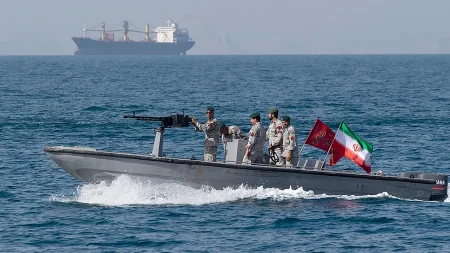
Diving deeper into the timeline of this unfolding drama, it all ties back to the war’s onset on February 28, when U.S. and Israeli strikes began targeting Iran’s missile infrastructure. Since then, a flurry of actions—from Trump’s escalating deadlines on Iran and the Strait of Hormuz to leaked reports of chemical shipments—has brought the issue into sharp focus. According to ISW, Western media has documented multiple shipments of missile fuel precursors sent from China to Iran right at the conflict’s start. Picture these voyages: tankers cutting through international waters, laden with sodium perchlorate and other chemicals, enough to produce hundreds of projectiles that could rain down on targets. The Daily Telegraph even named sanctioned Iran-flagged vessels docking at ports, raising eyebrows about Beijing’s true intentions. It’s not just about logistics; it undermines the painstaking efforts of combined forces to degrade Iran’s ballistic arsenal. For everyday Americans, this means heightened risks, from sailors in the Gulf to families worried about a wider conflict spiraling out of control. And Trump’s unyielding stance? His deadlines add urgency, pushing the narrative that patience is running thin, and decisive action might be just around the corner.
Enter Gordon Chang, the China expert whose blunt assessments cut through the complexity like a knife. In a candid interview with Fox News Digital, he didn’t mince words: labeling China as an “enemy combatant” that’s actively endangering U.S. troops. Chang isn’t just speculating; he’s drawing from decades of observation, warning that Beijing’s support isn’t passive—it’s a calculated move that bolsters Iran’s defiance. He urges the U.S. to seize those Chinese vessels caught transporting the key chemical for missile fuel, arguing it’s a matter of American will to impose real costs on China. “If you look at the overall relationship between China and the U.S.,” he pointed out with a sense of strategic clarity, “the U.S. has more cards to play.” China’s export-driven economy relies heavily on the American consumer market, a leverage point that could change the game if applied wisely. Chang’s call feels personal, almost paternal, echoing the concerns of millions who see this as more than geopolitics—it’s about protecting the boys and girls in uniform, ensuring they don’t become pawns in a larger chess match. His expertise humanizes the stakes, transforming cold intelligence into a urgent plea for vigilance and action.
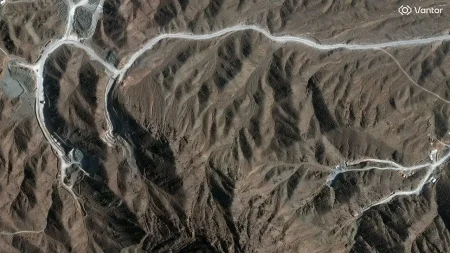
Meanwhile, on the ground in Iran, the Islamic Republic’s military forces are fighting tooth and nail to rebuild what has been shattered. Reports from ISW reveal a feverish pace: Iranian troops digging out underground missile bunkers struck by coalition airstrikes, restoring silos to operational status sometimes within hours. It’s a scene straight out of a high-stakes thriller, where fear and disorganization among Iranian ranks mean medium-range missile systems limp along sub-optimally, yet still pose a threat. U.S. intelligence assessments paint a picture of resilience marred by chaos—launchers returned to use quickly, but part of a damaged whole that’s been systematically degraded. For the people caught in this, whether Iranian families in border towns or allied soldiers monitoring from afar, it’s a tense standoff. Every explosion and reconstruction effort underscores the human cost: lives disrupted, futures uncertain, and a regime doubling down on defiance. It’s not just hardware being rebuilt; it’s a testament to the regime’s unyielding grip, fueled perhaps by foreign aid that turns local struggles into international crises.
Peeling back the layers, this isn’t China’s first foray into aiding Iran. Sanctioned Chinese companies have been implicated before, drawing wrath from the U.S. Treasury Department. Back in 2023, sanctions targeted a network involving entities like Pardazan System Namad Arman (PASNA), along with front companies spanning Iran, Malaysia, Hong Kong, and the People’s Republic of China. These operations facilitated the procurement of electronic components for drones and other military gear, directly violating restrictions on supporting Iran’s destabilizing programs. And the aid keeps coming, as highlighted by the Atlantic Council’s report: China has supplied Iran with drones, anti-ship cruise missiles, surface-to-air missiles, and components that end up in weapons used against U.S. military installations in the Gulf. Some of that tech has even surfaced in Ukraine’s battlefield, illustrating China’s cynical arbitrage of global conflicts for profit. For everyday folks, this means the gadgets in their devices or the consumer goods flooding stores could have a darker origin, entangled in exports that weaponize distant wars. It’s a sobering thought, humanizing the logistics by reminding us that trade networks, once engines of prosperity, can now supply the tools of aggression.
As the dust settles on these revelations, the broader implications loom large, begging for reflection on America’s response and the future of international relations. Fox News Digital reached out to China’s Embassy in Washington, D.C., for comment, but received no immediate response—a silence that speaks volumes in the echo chamber of diplomacy. Experts like Chang emphasize that the U.S. President holds significant leverage, from trade relations to strategic alliances, yet the question remains: will America muster the resolve to act? For citizens, this isn’t abstract; it’s about safeguarding sons and daughters in uniform, protecting economic interests, and perhaps even averting a wider conflagration that could engulf the Middle East. China’s actions, seen by some as opportunistic, by others as openly hostile, challenge the fragile balance of power. In human terms, it highlights the stories behind the headlines—pilots like the one Trump hailed as an “Easter miracle” downed and rescued, or families in Iran grappling with sanctions and strikes. Ultimately, as tensions mount, the call is for clarity, action, and a commitment to values that transcend alliances. America, with its democratic ideals and military might, must navigate these waters thoughtfully, ensuring that covert aid doesn’t erode the hard-won peace. And for those listening in, whether through Fox News articles or the whispers of news cycles, it’s a wake-up call: in this global village, every shipment, every strike, affects us all. The path forward demands vigilance, unity, and a unwavering pursuit of justice, lest the shadows of foreign meddling darken the world we share.