

Years of Valor Crushed by Shadows of Doubt
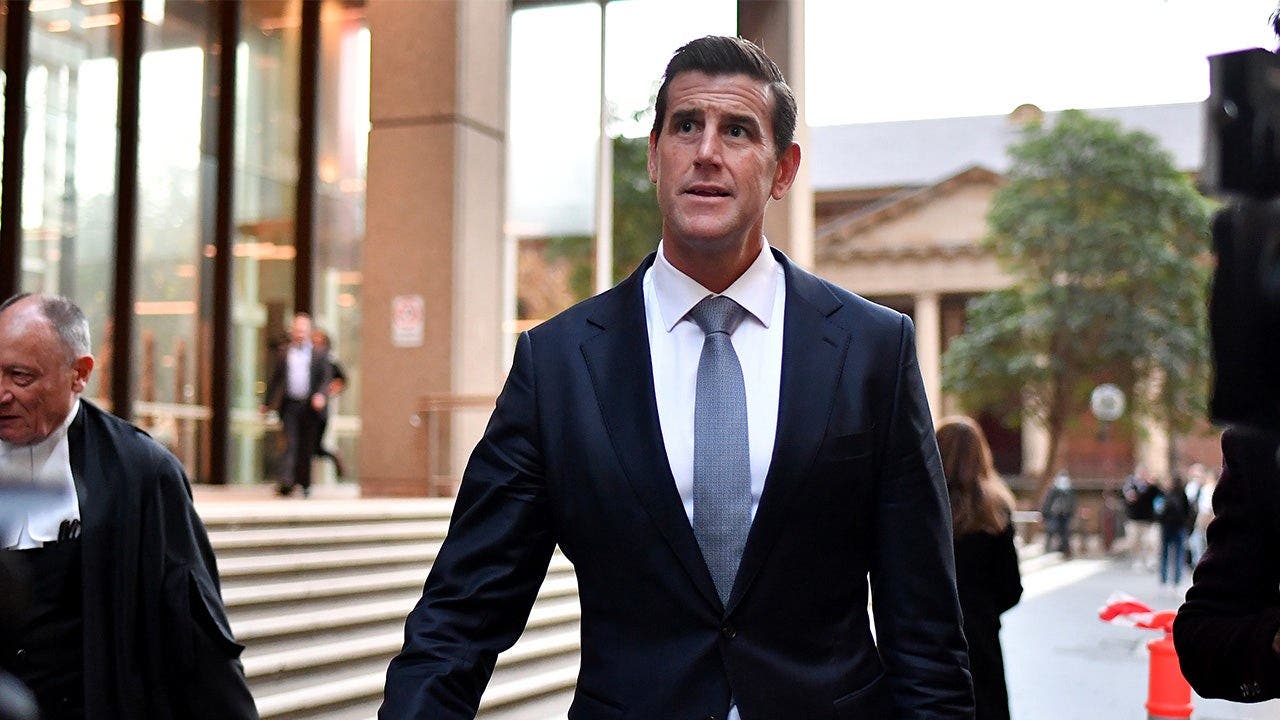
Imagine a man who embodied the pinnacle of bravery in the eyes of his nation—a warrior whose feats in the harsh crucible of Afghanistan earned him Australia’s highest military honor, the Victoria Cross. Ben Roberts-Smith, now 47, stormed enemy positions, risked his life to protect comrades, and became the country’s most decorated living soldier. For so many Australians, he was a symbol of what it means to serve with unyielding courage. But on a Tuesday morning at Sydney Airport, that image shattered when federal police arrested him on serious war crime charges. The immediate outcry was intense: how could this happen to someone seen as a hero? Former Prime Minister Tony Abbott’s passionate defense on social media highlighted the divide, arguing that judging soldiers by civilian standards ignores the brutal realities of battle where split-second decisions can mean life or death. Even tech mogul Elon Musk chimed in, calling it “insane,” sparking debates about fairness and the long arm of justice in a world increasingly scrutinizing past actions. Roberts-Smith surrendered quietly, his storied life now entangled in legal battles that could redefine how we view heroism and accountability. As news spread, families reflected on the human toll—soldiers pushed to extremes, returning not just with medals but with invisible scars. Were these charges a reckoning for overreach, or an unfair targeting of a man who did what war demanded? The arrest painted a picture of a deeply personal tragedy, where one man’s glory story turned into a cautionary tale about the unseen costs of conflict.
The Weight of Allegations: Five Lives Stolen
Diving deeper into the specifics, Roberts-Smith faces five murder charges tied to incidents in Afghanistan between 2009 and 2012, each one a chilling reminder of the fog of war’s potential for horror. According to authorities, he allegedly either pulled the trigger himself or ordered subordinates to execute unarmed Afghan men who were under the control of Australian forces. These weren’t enemy combatants storming trenches; instead, the prosecutions allege the victims were detained, defenseless, and no longer posing a threat. Picture the scenes: an elderly man accused of spotting intelligence, a farmer mistakenly linked to insurgents, or individuals simply in the wrong place during raids. AFP Commissioner Krissy Barrett’s words at the press conference cut through the air: “It will be alleged the victims were not taking part in hostilities.” If convicted, Roberts-Smith could face life behind bars for each charge—a dizzying prospect for someone who once saved lives. This isn’t just about legal details; it’s about the humanity lost. Those Afghan men had families too—brothers, wives, children whose worlds ended violently, far from home. Survivors and witnesses have shared stories of betrayal and fear, painting Roberts-Smith not as the infallible hero, but as part of a unit where lines blurred disastrously. The charges evoke empathy for the victims, whose names and faces beg for justice, while,也 raising questions about the impulsiveness of war, where adrenaline and mistrust can lead to irreversible mistakes. Australians grapple with this duality: honoring bravery while confronting brutality.
An Investigation Forged in Adversity
The path to these charges was fraught with obstacles, a testament to the perseverance of investigators digging into events over a decade old. Started in 2021 by the Office of the Special Investigator, teamed with the Australian Federal Police, the case grappled with immense challenges. As Director Ross Barnett explained, without access to Afghanistan, they lacked the usual forensic tools—crime scene photos, blood analyses, even the ability to measure distances or recover evidence. Instead, relying on soldier testimonies, witness accounts, and declassified documents, the probe pieced together a puzzle from afar. Barnett’s description of “challenging circumstances” resonates emotionally: imagine experts reconstructing horror stories through fragmented memories and hearsay, separated by thousands of kilometers and years of silence. The isolation of international cooperation post-withdrawal added layers of difficulty, making every breakthrough feel like a small victory against forgetting. For many, this mirrors the broader frustrations of holding warriors accountable for deeds in distant lands—how do we untangle truth from propaganda when battles grind on? Yet, it humanizes the investigators: dedicated professionals driven by a sense of duty, wading through bureaucracy and bureaucracy to seek resolution. This isn’t cold bureaucracy; it’s a painful quest for clarity, acknowledging that without it, the shadows of unresolved wartime atrocities loom large, affecting soldiers’ mental health and public trust. The process highlights how war’s echoes persist, demanding empathy for those rebuilding lives from shattered evidence.
Voices of Defense and Controversy
In the wake of the arrest, reactions poured out, revealing the emotional undercurrents rippling through society. Former Prime Minister Tony Abbott’s robust tweet defended Roberts-Smith fiercely, questioning why such allegations weren’t addressed earlier—during awards or by superiors—and suggesting institutional failures fostered a culture that let alleged abuses fester. His words, filled with exasperation, touched a nerve: “If Ben Roberts-Smith transgressed, why wasn’t this picked up?” It wasn’t just political posturing; Abbott voiced concerns shared by veterans who feel scrutinized unfairly. Elon Musk’s curt “insane” label sparked global buzz, symbolizing sympathy for the accused amid growing calls for justice. But contrasting this were voices from human rights groups and affected communities, who see the charges as necessary to address a dark chapter. This polarization humanizes the issue—familiars debating loyalty versus ethics, each side shaped by personal experiences. For Abbott, a former leader who once honored soldiers, the stakes are personal; his support evokes empathy for political figures navigating betrayal. Musk’s intervention, from his platform, underscores how fame can amplify debates, turning private tragedies into public spectacles. Yet, beneath the headlines, ordinary Australians reflect: what does this say about valor when heroes fall? The discourse reveals a society grappling with pride and penance, where defending a decorated figure feels like safeguarding national identity, even as acknowledging wrongs seeks healing for all.
A Trail of Public Scrutiny and Legal Battles
The roots of this storm trace back to 2017-2018, when investigative journalism from The Age, Sydney Morning Herald, and Canberra Times first aired allegations against Roberts-Smith, alleging a pattern of misconduct including war crimes. These reports shook the nation, portraying a man once lionized as capable of cruelty—kicking prisoners, fabricating threats, and worst, overseeing executions. Roberts-Smith responded with a high-stakes defamation suit, leading to Australia’s costliest trial, where reputations and fortunes hung in the balance. In 2023, Federal Court Justice Anthony Besanko ruled four of six murder claims against him substantial enough to proceed, including a haunting allegation: marching a handcuffed Afghan, Ali Jan, off a 10-meter cliff. Surviving the fall, he was shot by a subordinate on Roberts-Smith’s command. The vivid detail humanizes the horror—imagining the man’s terror, the soldiers’ descent like executioners. Appeals failed, culminating in a 2025 High Court dismissal. This saga wasn’t just legal; it exposed the human drama of defiance and vulnerability. Roberts-Smith’s camp painted him as persecuted, while accusers sought truth amid power imbalances. The ordeal underscores resilience—journalists risking careers for public good, lawyers battling exhaustion, and a man fighting to protect his legacy. For Ali Jan, the story ends in tragedy, but for others, it fuels hope for accountability. This journey reveals war’s complicated legacy: bravery interwoven with moral dilemmas, demanding we confront uncomfortable truths with compassion.
A Broader Reckoning with Afghanistan’s Scars
Broader than one man’s fall, Roberts-Smith’s case fits into a tapestry of 53 investigations by the Office of the Special Investigator and Australian Federal Police into war crimes by ADF members during Afghanistan deployments. Ten probes remain active, signaling a systematic review of practices that saw Australians accused of abuses spanning thefts to atrocities. This collective inquiry humanizes the issue by reflecting on institutional complicity—how command structures might have enabled excesses, leaving soldiers isolated in morality’s gray zones. Veterans, often haunted by PTSD, share stories of camaraderie turned toxic, where peer pressure blurred ethical lines. Survivors in Afghanistan speak of villages ravaged, families scarred, amplifying the global human cost. The investigations prompt soul-searching: how do nations balance honoring troops with rectifying wrongs? Australia’s commitment shows a maturing society willing to face demons, yet it evokes sadness for all affected—heroes entangled in scandal, communities seeking closure. As charges advance, the narrative evolves from individual drama to societal healing, where empathy bridges divides. Roberts-Smith’s plight reminds us: War doesn’t end with medals; its consequences demand ongoing dialogue, compassion, and justice for every life touched.