

The Heartbreaking Loss of a Young Life
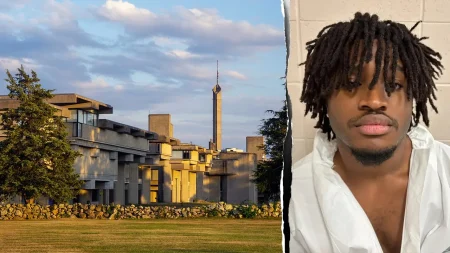
Imagine waking up to the news that a vibrant 19-year-old woman named Stephanie Minter has been brutally taken from the world, her body found lifeless at a bus stop in Fairfax, Virginia, in the dead of night. Stephanie wasn’t just another statistic in the headlines; she was a young student with dreams, perhaps studying for her future, laughing with friends, or just trying to make it home safely after a long day. The details are chilling: authorities allege that Abdul Jalloh, a man who should never have been allowed to roam freely, was involved in her death. Jalloh, a 32-year-old from Sierra Leone living without legal status in the United States, is now facing charges of second-degree murder. But here’s the gut-wrenching twist—Jalloh had been arrested more than 30 times in the past, racking up a laundry list of serious charges that included rape, assault, drug possession, and even identity theft. Each arrest paints a picture of a man who was a walking red flag for danger, yet somehow, he kept slipping through the cracks of our justice system. Virginia law enforcement dropped those charges time and again, letting him walk out of custody without a second thought. It’s mind-boggling to think that despite his extensive record, officials kept releasing him, putting the community’s safety on the line. Stephanie’s family must be devastated, grappling with the “what ifs”—what if someone had paid attention, what if Jalloh had been held accountable sooner? The pain of losing a daughter, sister, or friend in such a senseless way is unimaginable, and it begs the question: why did our system fail this young woman when she needed protection the most? Stephanie’s story isn’t unique in the annals of crime, but it’s a stark reminder of how bureaucratic oversights can cost lives. As we delve deeper, it becomes clear that this isn’t just about one man and one victim; it’s about a pattern of neglect that allowed a predator to wander free. The bus stop where she was found becomes more than a location—it’s a symbol of vulnerability, a place where everyday routines turn deadly. Jalloh’s presence in the area, combined with his history, raises alarms about immigration enforcement and local policing. In a world where we expect justice to prevail, stories like this erode our faith in the very institutions meant to safeguard us. Stephanie’s loved ones are left with memories of her bright smile and untapped potential, now forever tainted by this tragedy. We can’t help but wonder about the fear she might have felt in her final moments, the hopes she carried that were tragically cut short. This isn’t just a news story; it’s a human tragedy that cries out for better safeguards, especially for young people navigating a dangerous world.
A Tangible Threat in Our Midst
Digging into Abdul Jalloh’s background reveals a man who seems to embody everything that’s wrong with a lenient approach to repeat offenders. Born in Sierra Leone, he entered the United States without authorization, and instead of integrating peacefully, he built a criminal resume that reads like a horror novel. Arrested over 30 times—that’s not a mistake; it’s a pattern. Among his offenses: rape, which is a brutal violation of human dignity; malicious wounding that leaves scars on bodies and minds; assorted assaults that terrorize communities; drug possession that fuels addiction in our streets; identity theft that steals people’s sense of security; and trespassing on private spaces. Each charge tells a story of disregard for others’ well-being, and yet, Virginia prosecutors consistently dropped the cases, granting him freedom to offend again. What drives someone like this? Perhaps desperation from his roots, or maybe a sheer lack of remorse that allows him to view society as his playground. We humanize this by acknowledging that behind every criminal is a backstory—maybe poverty in his homeland pushed him here, or a broken system back home left him without options. But that doesn’t excuse the actions; it just makes the failure of our immigration and legal systems more heartbreaking. Jalloh’s path crossed deadly paths before, but authorities pulled back, perhaps overburdened or distracted by bureaucracy. In a compassionate society, we rehabilitate where we can, but for hardened offenders, especially those stepping into violent territory, we must prioritize public safety. Stephanie Minter didn’t know Jalloh personally, but her fate intersected with his reckless life at that bus stop. It’s not fair; no one should have to live in fear of such individuals. As we reflect, we feel a mix of anger and sorrow—anger at the repeated chances squandered, and sorrow for the communities burdened by this cycle. Jalloh’s case highlights the fragility of trust in law enforcement; when repeated offenders are released without consequence, it chips away at our collective peace of mind. We imagine the nights Jalloh spent free, perhaps eluding capture, while families prayed for their loved ones’ safety. His history isn’t just data—it’s a warning that unchecked criminality wrecks lives, turning everyday outings into potential nightmares.
The Shadows of Oversight in Virginia
The role of Virginia authorities in this saga is both perplexing and infuriating, shining a light on how local decisions can have far-reaching, deadly consequences. Prosecutors and local law enforcement have come under fire for their handling of Jalloh’s extensive arrest record. Time after time, charges were dismissed, allowing this man to evade accountability. It’s as if the system played Russian roulette with public safety, and unfortunately, Stephanie Minter drew the fatal bullet. Reports from the Department of Homeland Security indicate that ICE detainers—formal requests from Immigration and Customs Enforcement to hold suspects for deportation proceedings—were ignored by Virginia officials. “IGNORED ICE DETAINERS ‘PUT LIVES AT RISK,’ DHS SAYS,” targeting critics of leaders like Newsom, Pritzker, and Healey, but here it’s hitting close to home. In Virginia, these detainers weren’t heeded, meaning Jalloh was released without ICE even being given a chance to intervene. As a human observer, you can’t help but empathize with overworked police and prosecutors; maybe they’re underfunded, overwhelmed by caseloads, or trapped in a system that prioritizes quick exits over long-term solutions. But this leniency feels like a betrayal of trust, especially when vulnerable lives hang in the balance. Stephanie, commuting to her routine stops, imagined a safe world, not one where a repeat offender like Jalloh could roam. The Fairfax area, a suburban haven, now feels tainted by this oversight. Critiques point fingers at a prosecutor’s record on violent offenders, scrutinizing why such leniency persists. We ponder the human cost: officers going home after a shift, wondering if releasing one more person will lead to another headline. It’s not callousness; often, it’s a tragic mix of resource shortages and hopeful chances at rehabilitation that fall short. Yet, for Jalloh, those chances led to death and devastation. This isn’t just policy debate—it’s about real people, like Stephanie’s grieving relatives who trusted the system to protect their loved one. As we humanize this, we feel the frustration of families demanding change, insisting that accountability isn’t optional—it’s essential.
A Senator’s Cry for Fairness and Accountability
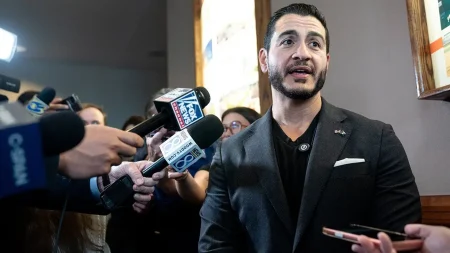
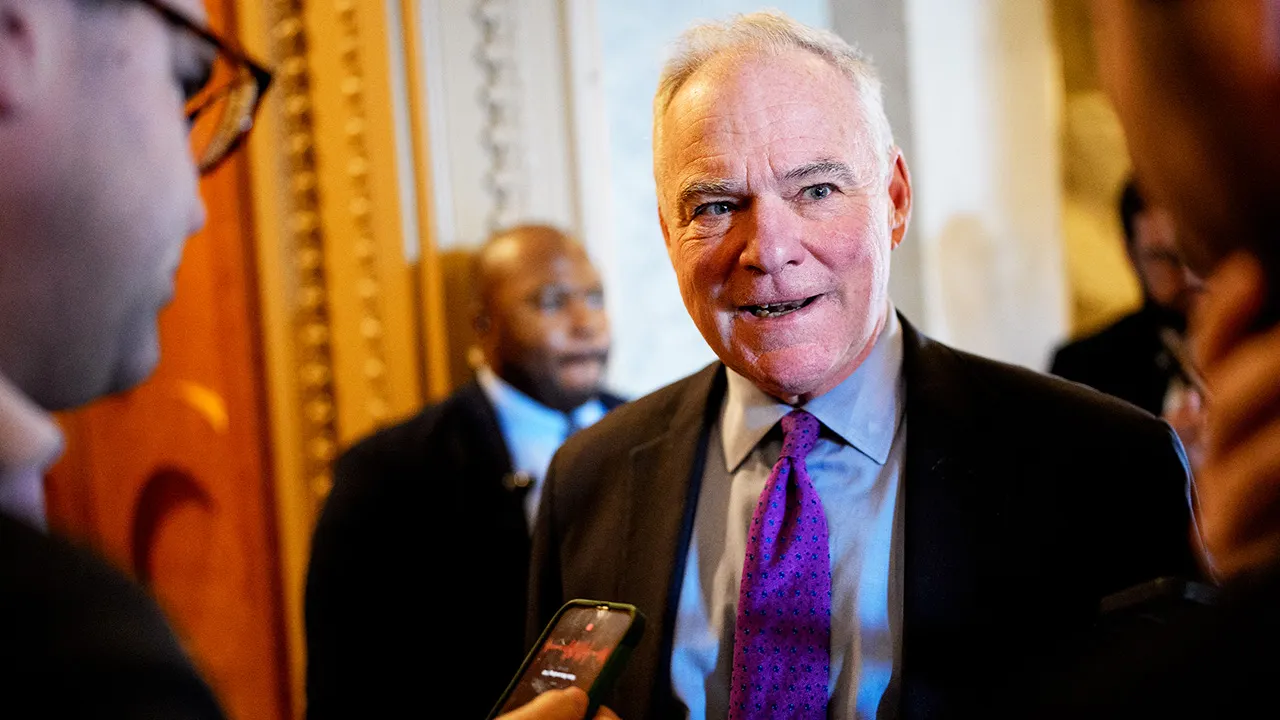
Enter Senator Tim Kaine, Democrat from Virginia, who’s stepping into the spotlight with a passionate plea: prosecute Abdul Jalloh fully before even thinking about deportation. Kaine served as Virginia’s governor from 2006 to 2010, giving him a firsthand view of the state’s inner workings. “Sen. Tim Kaine, D-Va., is calling on prosecutors to try, convict and punish the undocumented killer of Stephanie Minter, arguing that he must face American justice before he’s ordered to leave the country.” His words resonate with a sense of urgency and frustration, rooted in a deep understanding of justice delayed being justice denied. Kaine worries aloud that deportation could be seen as a slap on the wrist, a way to sweep the problem out of sight without real consequences. “I’m not sure that if he’s deported, [that] he will really face the punishment that he should face,” he says, echoing the fears of so many who believe true accountability must happen here, under the systems we hold dear. Imagine Kaine, a man of conviction, poring over details of the case, perhaps recalling faces of victims from his past tenure. He’s not just talking policy; he’s advocating for Stephanie’s memory, insisting that Jalloh “should be prosecuted to the full extent of the law and then possibly deported after that, but I wouldn’t want him to escape accountability for the crime.” This stance humanizes the political debate—Kaine isn’t detached; he’s a parent, a community member, saddened by how immigration intersects with crime. His call feels like a rallying cry for fairness, pushing back against narratives that prioritize removal over punishment. In a time of heated debates on immigration, Kaine’s position bridges divides: prosecute first, deport only after facing full repercussions in the U.S. We can sense his empathy for migrants—understanding their struggles—but his unyielding stance on justice for heinous acts. As listeners to this unfolding drama, we appreciate voices like his that demand balance, ensuring predators don’t evade true punishment. Stephanie’s tragedy amplifies Kaine’s message, making it personal and pressing. It’s a reminder that our representatives are also citizens, motivated by a desire to honor those harmed by system flaws.
Reflections from a Former Governor’s Lens
Looking back on his days as governor, Tim Kaine provides a window into the frustrations of state-ICE collaboration, painting a picture of missed opportunities that could have prevented heartache. “My experience when I was governor — and this is now 15 or 20 years ago — is that we would normally let ICE know before we let anybody out of prison in Virginia, and then they wouldn’t show up,” he recalls, his voice tinged with disappointment. Virginia officials would give ICE a two-week notice: “Hey, here’s somebody who’s here, come pick them up,” but often, no one arrived. In a humanized recounting, we can almost hear the exasperation in Kaine’s tone—the wasted effort ofNotify agencies, the frustration of watching potentially dangerous individuals walk free because coordination failed. Jalloh’s case tragically fits this pattern; past ICE detainers were apparently disregarded by Virginia authorities, allowing him to remain at large. “We would give them two-weeks notice [and say] ‘Hey, here’s somebody who’s here, come pick them up,’ and they wouldn’t show up. That was more my experience,” Kaine reiterates, emphasizing systemic breakdowns. As a former leader, he knows the ground-level challenges: limited resources, bureaucratic red tape, and competing priorities. Yet, this explanation doesn’t soften the blow; it amplifies the need for reform. Humanizing this, we imagine Kaine reflecting on his governorship—perhaps nodding to the cops he worked with, the families affected by crime spikes, and the migrant communities seeking a better life. The ICE detainers critical in such scenarios highlight a partnership fraught with glitches. Fox Digital reached out to the Department of Homeland Security for comment, underscoring the ongoing dialogue. In our minds, this isn’t just history; it’s relatable frustration for anyone who’s dealt with unresponsive systems. Kaine’s insights tie directly to Jalloh’s story, where failed detainments might have been a turning point. We feel for those at the helm, like local prosecutors scrutinized for their records on violent offenders, wondering if change is possible. Ultimately, this perspective urges better communication, ensuring that threats like Jalloh don’t slip away. As humans, we diagnose the pain of disjointed governance and yearn for unity that protects the innocent.
Echoes of Justice in a Divided Time
In the broader tapestry of this tragedy, the call for Abdul Jalloh’s full prosecution before deportation resonates as a beacon of moral clarity in turbulent debates on immigration and crime. Stephanie Minter’s death isn’t isolated—it’s intertwined with larger issues of sanctuary policies, resource allocation, and the human toll of systemic flaws. Jalloh’s charges of second-degree murder stand as a stark testament to the stakes, demanding that accountability transcends borders. Yet, deportation as a lone penalty feels inadequate to some, risking leniency abroad where consequences might be lighter or altogether absent. Senator Kaine’s advocacy, while specific, taps into universal sentiments: families deserve closure, communities merit safety, and perpetrators must answer for their crimes in meaningful ways. As we humanize the narrative, we grieve for Stephanie’s unspoken dreams—maybe she wanted to become a teacher, an artist, or simply live a free life. Her loss amplifies calls for reformed immigration enforcement, where ICE detainers are honored and local authorities prioritize public welfare without playing politics. It’s heartbreaking to consider how many more hidden threats might lurk, ignored like Jalloh was. The Fox News article, with its headlines like “TRUMP ADMIN ASKS SPANBERGER, VIRGINIA OFFICIALS NOT RELEASE ILLEGAL CHARGED WITH GROPING HIGH SCHOOL GIRLS” and “VIRGINIA PROSECUTOR’S RECORD ON VIOLENT OFFENDERS SCRUTINIZED,” underscores scrutiny from all sides. Now, an exciting note: “You can now listen to Fox News articles!”—a modern twist allowing us to absorb these stories on the go, immersing ourselves in the voices of justice-seekers. In reflecting, we sense hope amid sorrow—voices like Kaine’s push for change, ensuring no life is sacrificed to oversight again. As ordinary people, we empathize, debate, and demand better, honoring Stephanie’s memory by striving for a world where justice truly prevails. This isn’t just news; it’s a call to action, wrapped in our shared humanity, urging us to bridge divides for the sake of all.