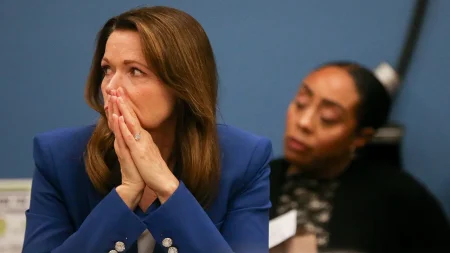



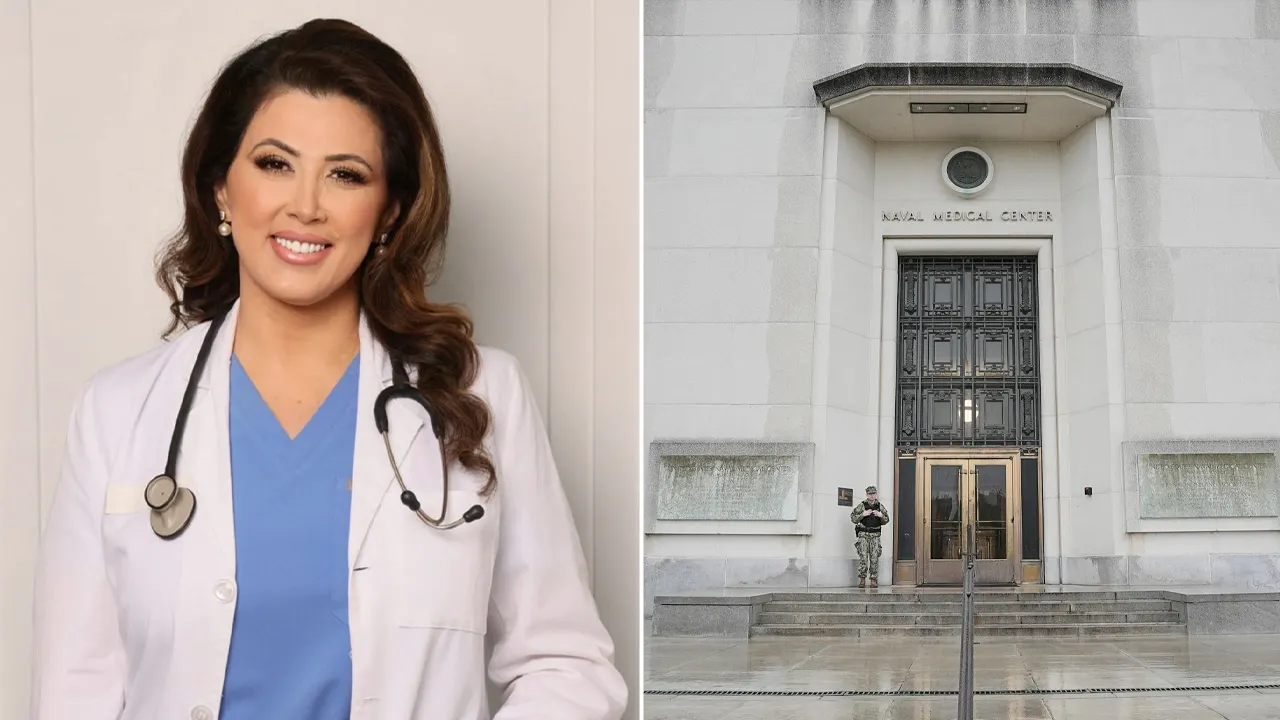
The transition of a highly visible medical public figure from the bright, unforgiving lights of national political theater to the quiet, somber corridors of military healing is a path rarely trodden, yet it is one that Dr. Janette Nesheiwat has embraced with profound gratitude. Armed with her stethoscopes, charts, and an unwavering commitment to patient advocacy, Nesheiwat has embarked on a new professional chapter at the Walter Reed National Military Medical Center and the Department of Veterans Affairs. This transition represents a deeply personal mission to support the nation’s service members, veterans, and direct government personnel who have returned from the front lines carrying invisible, deeply disruptive wounds. At Walter Reed, an institution long regarded as the pinnacle of military medicine, she has stepped directly into the complex and often mystifying world of treating patients suffering from anomalous health incidents, a condition colloquially and chillingly known as “Havana Syndrome.” For these patients, who include elite intelligence officials, seasoned diplomats, and active-duty military personnel along with their families, Nesheiwat’s clinic is not just a place for medical evaluations; it is a sanctuary of validation and hope. These individuals arrive with intricate, debilitating neurological and vestibular challenges that disrupt their daily lives, and Nesheiwat regards the opportunity to manage their delicate, highly sensitive care as a profound honor that transcends clinical duty.
To understand the weight of Nesheiwat’s work, one must understand the haunting nature of Havana Syndrome, a medical mystery that has baffled the highest echelons of the American scientific and intelligence communities for years. First reported by embassy staff in Cuba, the syndrome manifests as a constellation of unexplained, severe symptoms ranging from intense cognitive fog, chronic migraines, and debilitating vertigo to acute inner-ear pain and persistent insomnia. While the direct cause of these anomalous health incidents remains under intense scrutiny and investigation by various U.S. intelligence agencies and congressional committees, the human toll is undeniable and immediate. Some theories suggest these ailments are the result of directed-energy attacks or acoustic weapons deployed by hostile foreign adversaries, while other reports have suggested different or inconclusive origins, leaving patients stranded in a state of clinical and political limbo. Amid this uncertainty, Dr. Nesheiwat’s clinical philosophy at Walter Reed and the VA focus intensely on the human being sitting on the exam table rather than the geopolitical noise surrounding their condition. Her mission is to bypass the administrative and intelligence debates to deliver comprehensive, compassionate, and evidence-based interventions that help these modern-day warriors regain their cognitive functions, repair their vestibular balance, and slowly piece their lives back together.
This deep-seated devotion to serving those who wear the uniform is not a sudden professional pivot for Dr. Nesheiwat, but rather the continuation of a legacy that runs deep within her own family. As the daughter of Jordanian immigrants who arrived in the United States with a fierce appreciation for American freedoms and opportunities, she grew up in a household where patriotism was not a passive concept, but an active, daily responsibility. Her family’s devotion to their adopted homeland is illustrated by their extensive military service, with relatives having fought and sacrificed on the battlefields of the Korean War, the Afghanistan War, and the Iraq War. These familial sacrifices instilled in Nesheiwat a deep, foundational respect for the armed forces, turning her medical practice into an extension of her family’s service. Choosing to volunteer her time in the high-stakes, fast-paced emergency room at the VA is her way of honoring that heritage. This service felt particularly poignant during Memorial Day weekend, when she stood at the bedsides of aging veterans and young soldiers alike, recognizing that the freedom she enjoys as a successful first-generation American was bought and paid for by the very people she was treating. For Nesheiwat, every suture tied and every diagnostic test ordered in the VA emergency room is a small, quiet act of national gratitude.
Her clinical competence in handling these fragile, high-stakes medical cases is backed by an impressive and diverse academic and professional trajectory. Dr. Nesheiwat is a double-board certified physician in both family medicine and urgent care medicine, credentials that require a rare breadth of knowledge and an ability to make critical, life-saving decisions under immense time constraints. After graduating from the American University of the Caribbean School of Medicine, she completed her family medicine residency program at the University of Arkansas for Medical Sciences, where her natural leadership and clinical acumen led her peers and mentors to select her as chief resident. Years later, when the historic emergency of the COVID-19 pandemic descended upon New York City, Nesheiwat found herself on the absolute front lines of the public health crisis, leading exhausted emergency medical teams through the darkest and most uncertain days of the outbreak. She made history as the first female medical director for CityMD in Manhattan, placing her at the helm of one of the largest and most influential urgent care networks in the United States. Throughout her career, whether navigating the devastating realities of the opioid epidemic, managing seasonal influenza outbreaks, or addressing the sudden emergence of the monkeypox virus, she has consistently proven herself to be a crisis-tested leader who thrives on the front lines of public health.
However, a career lived at the intersection of medicine, media, and public policy is rarely free from turbulence, a reality Dr. Nesheiwat experienced firsthand during her brief and highly scrutinized journey through the Washington political apparatus. Recognized for her clear, empathetic communication style as a medical contributor for Fox News, she was nominated to serve as the U.S. Surgeon General, a position that would have given her a powerful platform to address the nation’s most pressing healthcare crises. Yet, the nomination was ultimately withdrawn, exposing the harsh ideological divides of modern American politics, particularly concerning her firm, science-based, pro-vaccine stance which clashed with some partisan circles. Rather than allowing this political setback to define or discourage her, Dr. Nesheiwat met the challenge with characteristic resilience and resolve. While she has initiated robust legal action against several media outlets that she asserts mischaracterized her professional background and credentials during the nomination process, she has refused to harbor bitterness. Following the withdrawal, she expressed a determination to continue supporting national health initiatives, looking forward to collaborating on senior healthcare policy roles to improve patient outcomes for all Americans, while maintaining her strong family ties to public service, including her relationship as the sister-in-law to U.S. Ambassador to the United Nations Michael Waltz.
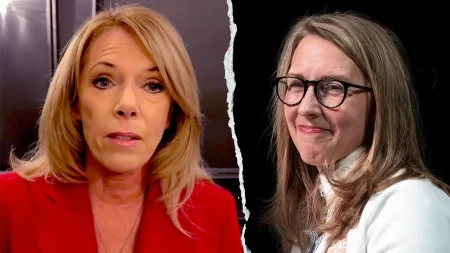
As the political tides of Washington continue to shift, leading to the subsequent nominations of Dr. Casey Means and eventually Dr. Nicole Saphier for the position of Surgeon General, Dr. Nesheiwat has quietly returned to the foundation of her life’s calling: the direct care of patients. Her journey serves as a powerful reminder that while political appointments and media spotlights are fleeting, the impact of a dedicated physician on the life of a suffering patient is permanent. At Walter Reed and the VA, far from the cameras and the political noise, she continues to do the quiet, painstaking work of helping those who have sacrificed their minds and bodies for the nation. In treating the mysterious, invisible wounds of Havana Syndrome and handling the daily traumas of the emergency room, she has found a sense of purpose that no political title could ever bestow. Dr. Janette Nesheiwat’s story is ultimately not one of political disappointment, but of vocational triumph—a narrative of an immigrant’s daughter who broke barriers, faced down global health crises, stood up for her professional integrity, and ultimately found her greatest fulfillment in serving the brave men and women who keep her country free.