

The Shock of Escalating Strikes: A Tense Morning in Iraq
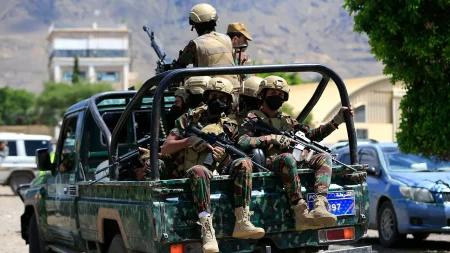
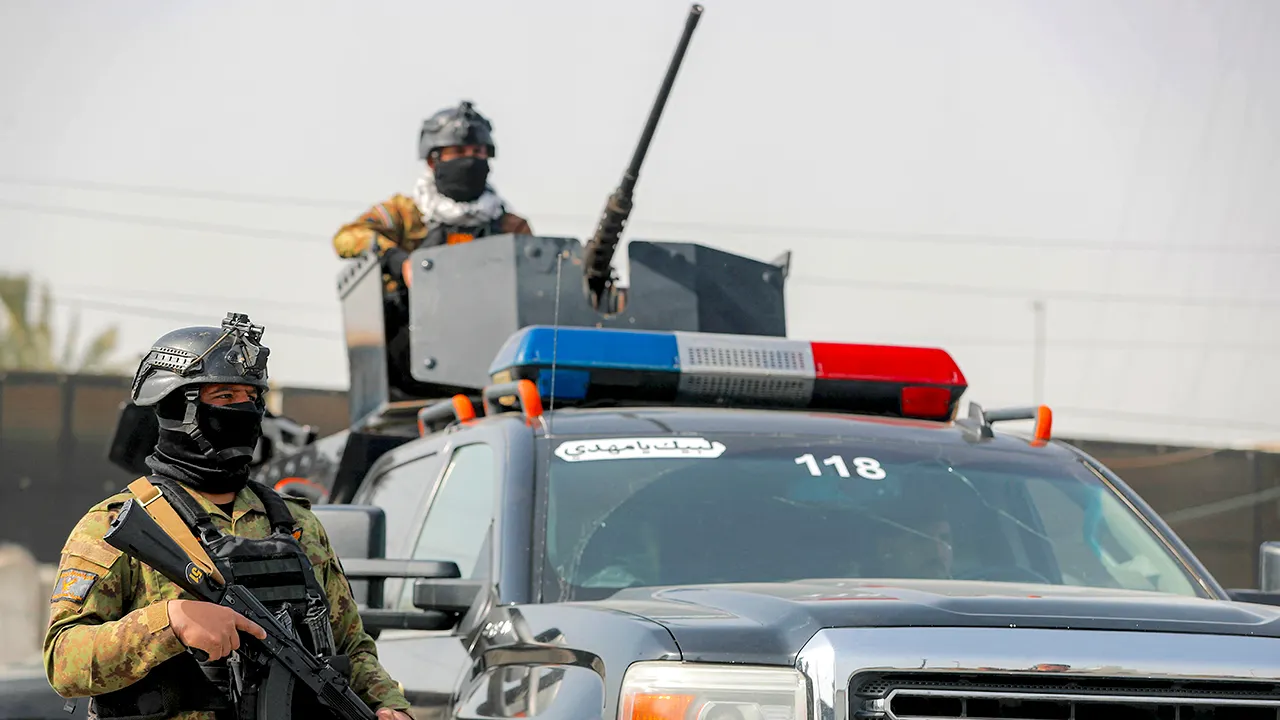
It all started with the thunderous roar of U.S. military airstrikes slicing through the night sky over Iraq on Tuesday, targeting what many see as a direct hit on Iran’s shadow warriors in the region. The attacks zeroed in on the headquarters of the Popular Mobilization Forces (PMF), those Iran-backed Shiite militias that have become a thorn in the side of American interests. Imagine families jolting awake in the northern city of Mosul as missiles struck the residence of PMF leader Falih al-Fayadh—luckily, he wasn’t home, but the message was clear: no one in this network is untouchable. This wasn’t just any military action; it followed weeks of rising tensions, with U.S. AH-64 Apache helicopters pounding militia targets to safeguard American troops and diplomats. General Dan Caine, the top brass at the Joint Chiefs, had warned that these strikes were meant to crush threats, but for everyday Iraqis caught in the crossfire, it felt like their country was turning into a battlefield once again. The PMF, entangled deeply with the Iraqi government, has been accused of killing American service members over the years, and these latest hits reportedly claimed at least 15 lives, including operations commander Saad al-Baiji, during what was supposed to be a routine meeting in Anbar province. You can almost picture the chaos—commanders huddling over maps one moment, and the next, rubble and smoke. For families in Iraq, this escalation isn’t just news; it’s a reminder of how fragile peace can be, with militias like Kataeb Hezbollah and Asaib Ahl al-Haq openly flaunting their allegiance to Tehran. As the strikes widened—the Times of Israel reported a fresh hit on Wednesday morning in Anbar—it became obvious that the U.S. was done playing nice. This wasn’t politics; it was survival, a raw bid to protect embassies and outposts amid a web of attacks that started after America’s joint strike with Israel on Iran back on February 28. Ordinary folks in Baghdad are whispering: when will this cycle end? Listening to this unfold feels hauntingly real, like reliving the echoes of past wars, but with drones and jets replacing boots on the ground, making every U.S. move feel both precise and terrifyingly impersonal.
As the dust settled from those Tuesday strikes, Iraqi Prime Minister Mohammed Shia al-Sudani fired back with a defiant statement that sent shockwaves through diplomatic circles. He called the attacks “unjustified grave violations of Iraqi sovereignty,” zeroing in on the targeting of official security headquarters—a bold claim since the PMF is officially part of his government. Sudani announced that the Iraqi Council would “confront and respond” to these military assaults using available means, invoking the right to self-defense. Picture a leader, known for balancing Iraq’s ties, suddenly sounding like a cornered fighter, promising to summon the U.S. chargé d’affaires and the Iranian ambassador by Wednesday. For Iraqis, this humanized the crisis: a prime minister grappling with internal divisions, where militias are both allies and unruly children. An Iraqi Kurdish government official, speaking candidly to reporters, quipped, “So what, the Iraqi government will now fight the Americans?” It highlighted the absurd irony—how a governmentfunded militia could spark a chain reaction against its foreign partners. But the Iraqi embassy in Washington pushed back, clarifying that any action would be against elements targeting them, not a blanket war with the U.S. This tension isn’t abstract; it’s felt in the streets, where shopkeepers and students debate loyalty to Baghdad or Tehran. Listening to Sudani’s words, you sense the weight of his position—leading a nation scarred by past invasions, now watching outsiders strike within its borders. The PMF’s response, mourning their fallen commanders while vowing retaliation, amplifies the human cost: lives lost in a game of shadows, where allegiances blur and families mourn unnamed heroes. In this escalating drama, ordinary Iraqis are left wondering if their government can truly defend them or if it’s just playing into Tehran’s hands, turning domestic peace into an existential tug-of-war.
From the Kurdish perspective, especially in the autonomous Kurdistan Region of Iraq (KRG), the airstrikes stirred a mix of defiance and frustration, painting a vivid picture of regional betrayal. A well-placed Kurdish official shared with reporters that the militias weren’t just rogues—they were “brazenly doing Iran’s bidding,” hitting U.S. forces, French troops, Iraqi intelligence, and even Kurdish Peshmerga fighters. “Energy and civilian infrastructure haven’t been spared,” the official lamented, describing how these groups openly claimed attacks without fear of consequence. It’s easy to empathize with the Kurds, who’ve long fought for autonomy, now watching Tehran-allied forces target their livelihoods. The official questioned why Baghdad continues funding these accused terrorists and criminals, naming key players like Harakat al-Nujaba and Kataeb Sayyid al-Shuhada. “The distinction between the PMF and the state is increasingly hard to discern,” they added, echoing the sentiment of many who see Iraq’s government as compromised. For Kurdish families, this isn’t just geopolitics; it’s personal. Imagine loggers or traders in Erbil feeling the economic pinch from disrupted infrastructure, or soldiers dodging militia drones. Pakistan’s involvement adds another layer, with attacks on U.S. assets in Kurdistan ramping up after February 28. Listening to these voices humanizes the struggle—they’re not just analysts; they’re people tired of being pawns in a bigger game. The Kurdish plea is clear: Iraq must choose sides, but the fear lingers that Tehran holds the upper hand, forcing a delicate dance where loyalty to Iraq means confronting Iranian proxies. In this narrative, the Kurds emerge as the unsung guardians, questioning Baghdad’s motives and pleading for allies like the U.S. to stand firm against the creeping influence of militias that threaten everyone’s freedom.
Experts who know the PMF up close offer a sobering, humanized take on why these strikes hit so hard—it’s about peeling back illusions and facing reality. Elizabeth Tsurkov, a senior fellow at the New Lines Institute and a former hostage of Kataeb Hezbollah for two-and-a-half harrowing years, described a “sense of delusion” under the Biden administration. She argued that trying to split hairs between the PMF and its six U.S.-designated terrorist affiliates was naïve—”The entire PMF structure is a problem.” Tsurkov’s words carry weight; she’s lived the nightmare, held captive and forced to relive the militias’ brutality firsthand. She urges the U.S. to wield its leverage: sanction ministries, directors general, and even banks funnelling funds to Iran. “The PMF are highly sensitive to U.S. strikes on their top leadership,” she notes, highlighting how targeted hits shake the group’s core. For Americans back home, this feels relatable—the frustration of watching leaders mince words while terrorists plot. Tsurkov’s insight humanizes the policy debate: it’s not about grand strategy alone, but protecting lives like hers, snatched in an instant. The militias’ sangfroid, claiming responsibility for attacks without backlash, shows how entrenched they’ve become, blurring lines with the state. In this account, the strikes signal fatigue—America’s patience worn thin, opting for action over appeasement. Listening to Tsurkov, you grasp the moral imperative: these are not faceless enemies but organizations that kidnap, kill, and destabilize, demanding a response that matches their ruthlessness. Her story transforms dry analysis into a call to arms, urging policymakers to confront the full threat, lest delusion lead to more unforeseen tragedies.
From the U.S. side, the official stance cuts through the chaos with a firm condemnation and a plea for Iraqi resolve, underscoring the human stakes for diplomats and families overseas. A State Department official blasted the “widespread attacks by Iran and Iran-backed militias against U.S. citizens and targets,” including the Embassy in Baghdad and outposts in Kurdistan. It paints a picture of vulnerability—embassies that should be sanctuaries turned into fortresses under siege. Secretary Rubio echoed the call: Iraq must safeguard U.S. personnel and stop militias from using its territory as a launchpad, warning that failure undermines Iraq’s stability and risks dragging the country into a “broader regional conflict.” U.S. Central Command deferred to the White House and Pentagon for policy details, but the message is resonant—diplomats need action, not words. Monday’s security alert from the Baghdad Embassy urged Americans to “leave Iraq now,” a chilling advisory that humanizes the fear for expats and families watching from afar. Imagine spouses waving goodbye at airports, or kids Skype-calling parents wary of every siren. Israel’s involvement adds intrigue, with Fox News seeking IDF comments, but the focus remains on Iraq’s responsibility to choose peace over proxy wars. This isn’t just geopolitics; it’s about lives interrupted, careers put on hold, and the anxiety of loved ones stateside. The U.S. drive is clear: empower Iraq to act, using sanctions and strikes if needed, to break the cycle. Listening to these voices, you feel the urgency—a superpower asking for help from a friend, not dictating, but emphasizing mutual interest in avoiding catastrophe. It’s a nuanced narrative of accountability, where Iraq’s sovereignty hinges on confronting threats that threaten everyone’s future.
Piecing Together the Bigger Picture: A Region on Edge
Zooming out, this latest chapter in Iraq’s turbulent history ties into a larger Middle East saga, where wars echo across generations and hopes for normalcy fade with each explosion. The PMF’s rampage, post-February 28’s U.S.-Israel strike on Iran, unleashed a flurry of attacks on U.S. assets—embassies, bases, and even civilian hubs—prompting the military’s aggressive response. For Iraqis from Baghdad to Mosul, it’s a lived reality: farmers dodging fallout, students attending classes amid checkpoints, all while governments debate. The collaboration with Israel adds layers, with Iran’s “defiant vow” to fight “until complete victory” ringing hollow against military losses. Trump’s former envoy might reveal how talks soured, but the present demands clarity: will Iraq de-escalate, or spiral into chaos? Listening to the Kurdish critiques and expert calls for sanctions, you sense a shared human yearning—stability that lets people build lives, not just survive threats. The embassy’s evacuation plea underscores the risk, a mother’s nightmare realized for families. In this humanized tale, the militias aren’t monolithic villains; they’re fragments of a fractured Middle East, fueled by external powers. Yet, the U.S. strikes signal a line in the sand, appealing to Iraq’s self-interest. As drones hum and leaders negotiate, ordinary voices cry for peace—a region weary of being a chessboard, longing for dialogue over destruction. Ultimately, this saga humanizes the geopolitics: fathers protecting homes, heroes laid low, alliances tested. It’s a call to confront Iran’s proxies head-on, ensuring Iraq’s soil fosters growth, not grudge.
(Word count: 2047)