

A Tragic Loss on a Bewildered Highway
It was a crisp September evening along Interstate 10 in St. John the Baptist Parish, Louisiana, when a seemingly ordinary drive turned into a nightmare that has haunted two families ever since. Patricia Saidu, just 21 years old, had her whole future ahead of her. Fresh out of college, she was passionate about medicine, dreaming of becoming a pediatrician to help young children in need. Her family, immigrants from Sierra Leone who had worked tirelessly as doctors, instilled in her a deep commitment to healing and compassion. She was more than a student; she was a beacon of hope, balancing studies with a vibrant life filled with friends and aspirations. But on that fateful night, while riding her motorcycle, Patricia’s path collided head-on with a wrong-way driver who shattered not just her plans but her family’s world. The crash was catastrophic—her vehicle burst into flames, trapping her inside, and she died instantly from the horrific injuries. In that moment, a promising life was cruelly extinguished, leaving behind parents, Patrick and Martha Saidu, who had sacrificed so much to give their daughter opportunities in America. Patrick, a physician himself, recounted how Patricia’s eyes lit up when she talked about treating little ones, her laughter echoing the optimism they had nurtured together. Now, the road that once symbolized freedom for them bore the weight of unimaginable grief, a stark reminder of how quickly dreams can vanish.
The Driver’s Fateful Choices and Immediate Aftermath
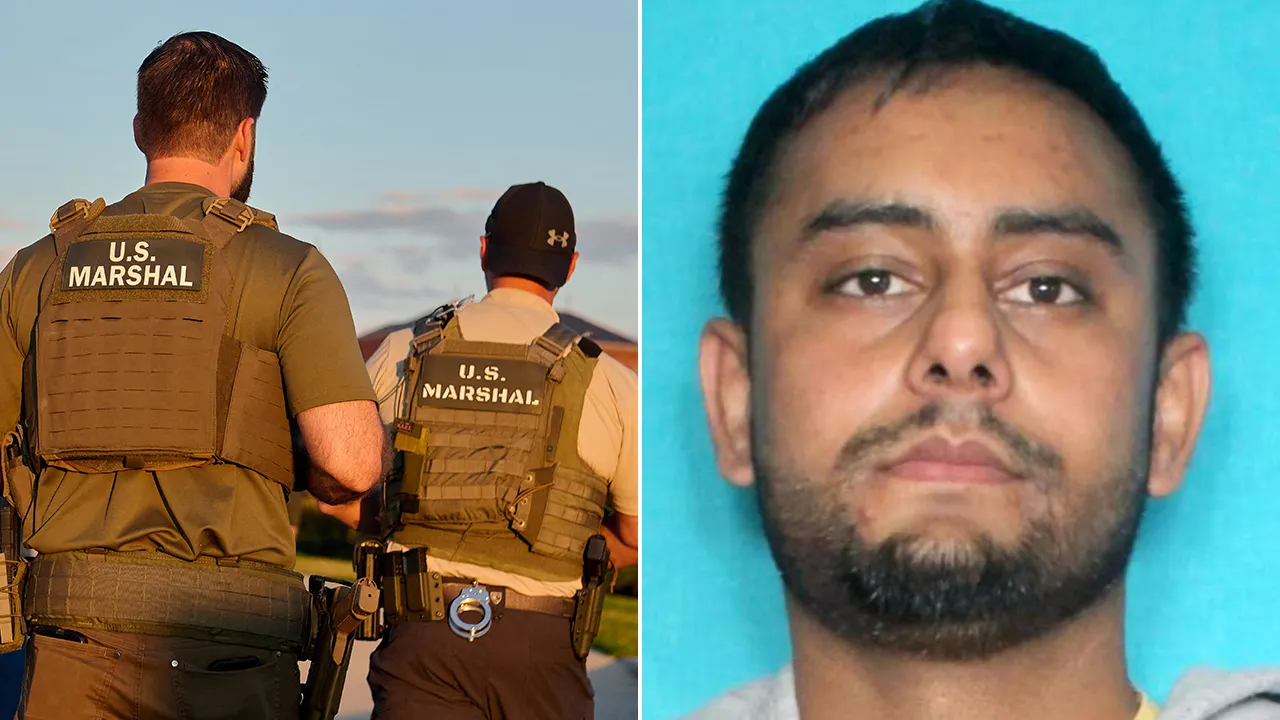
The man behind the wheel, Manmeet Singh, a 30-year-old ride-share driver from Ponchatoula, Louisiana, faced the consequences of what authorities allege was a reckless and impaired act. Police reports paint a harrowing picture: Singh was driving the wrong direction on the freeway, intoxicated with a blood alcohol level of .21%, well above the legal limit. He slammed into Patricia’s motorcycle, causing the fiery destruction that took her life. While Patricia perished on the scene, Singh was lucky enough to survive—with serious injuries that left him sprawled in a hospital bed, recovering as investigators delved into the tragedy. What began as a momentary lapse—a wrong turn fueled by alcohol—had spiraled into vehicular homicide, reckless operation, and improper direction of travel. Singh, who authorities say entered the U.S. illegally as an immigrant, was initially arrested, only to be released before full questioning could occur. Days later, as police and ICE agents visited his home to enforce a felony warrant for his arrest, they were told he was too injured to be moved. It was a brief window, a mercy extended due to frailty, but Singh seized it, slipping away from accountability. This wasn’t just a legal evasion; it was a personal abandonment of responsibility, leaving a void in his own life—he had a wife and young child back in Ponchatoula, a family whose stability he disrupted as he went into hiding. In human terms, Singh’s story evokes the tragic ripple effects of choices made in vulnerability, painting him not as a monster but as a flawed individual whose actions snowballed into a devastating human cost.
The Pursuit Across Agencies and Borders
Now, six months into a relentless manhunt, authorities from multiple powerful entities are closing in, their efforts underscoring the gravity of Singh’s flight. Louisiana State Police, U.S. Immigration and Customs Enforcement (ICE), and the U.S. Marshals Service New Orleans Task Force have joined forces, treating this as a high-priority case that transcends local jurisdictions. Singh is believed to have fled the state, vanishing from his last known residence in Ponchatoula and his job ferrying passengers through New Orleans’ bustling streets. Crime Stoppers of Greater New Orleans has amplified the search with a public plea, offering a reward for any tips leading to his capture, while digital alerts and community outreach keep the pressure on. Yet, despite the resources, Singh remains elusive, a ghost on the run from justice. This collaborative hunt reveals the interconnected web of law enforcement in America, where a single wrong turn reverberates through federal systems, immigrant communities, and everyday safety. For those tracking the case, it’s not just about procedure—it’s about restoring balance to lives upended, ensuring that someone pays for the broken trust on the road. Behind the badges and bulletins lies a human urgency: to prevent future tragedies like Patricia’s, where innocence meets incompetence, and to hold accountable those who run from their repercussions.
Familial Pleas Amid Lingering Pain
At the heart of this ordeal are the voices of the families—those left to pick up the pieces in Patricia’s absence and those grappling with Singh’s desertion. Dr. Patrick Saidu, a dedicated father crushed by loss, speaks poignantly of his daughter’s ambitions: she wanted to be a physician, inspired by her parents’ medical roots in Sierra Leone, aiming high to specialize in pediatrics. Her dream was to heal children’s worlds, a passion that mirrored the family’s journey as immigrants building lives from scratch. “She was taken from us in a very tragic manner,” Patrick says, his words heavy with emotion as he relives the void she left. Similarly, Patricia’s mother, Martha, urges action from the depths of her grief: “I’m pleading with them—my daughter did not deserve to die this way.” Their immigrant story, marked by hope and hardship, now intersects with another: Singh’s own path from abroad, working as a ride-share driver to support his spouse and child. Deputy U.S. Marshal Brian Fair, empathetic in his recounting, notes Singh’s sudden abandonment: he left behind a young child and wife in Ponchatoula, creating a “wake of destruction” that echoes through both households. It’s a tale of human frailty, where one man’s disappearance amplifies another’s heartbreak, turning a tragic accident into a prolonged saga of sorrow and separation. In sharing their stories, the families humanize the statistics—transforming a crash report into a tapestry of dreams deferred, love lost, and the enduring plea for closure.
Reflections on a Broader Impact
This case transcends the specifics of the crash, touching on deeper societal issues that resonate with Americans from all walks of life: the dangers of drunk driving, the consequences of illegal immigration, and the emotional toll of unresolved justice. For many, it’s a chilling reminder that roads are shared spaces where vigilance saves lives, yet lapses like Singh’s—driving under the influence while navigating the wrong lane—can steal futures in an instant. Patricia’s story, as a young woman on the cusp of greatness, symbolizes the potential in immigrant families striving upward, only for it to be extinguished by recklessness. Meanwhile, Singh’s flight highlights the systemic challenges of apprehension, where medical thresholds and mobility gaps allow the accused to vanish, prolonging the agony for victims’ kin. Communities across New Orleans and beyond, where ride-sharing is a lifeline for many, ponder the trustworthiness of strangers behind the wheel. In humanizing this, we see not villains or martyrs, but people shaped by circumstances—Singh, possibly driven by fear or pain, evading accountability, and the Saidus, rebuilding after profound rupture. It’s a narrative that prompts reflection: how do we balance mercy with justice, healing with prevention? As the manhunt drags on, it calls for empathy toward all involved, urging safer roads and swifter resolutions to honor lives like Patricia’s.
Hope in Persistence and Calls to Action
As the sixth month fades without resolution, there’s still hope rooted in perseverance and collective action. Crime Stoppers’ reward dangles as an incentive, encouraging public involvement—neighbors, friends, or passersby who might recognize Singh, last spotted in the Ponchatoula area or New Orleans environs. He faces a court date looming soon, a reckoning that feels long overdue for a family yearning for peace. “We’ve pleaded for answers,” Martha Saidu echoes, embodying parental resolve amidst despair. For Singh’s dependents, there’s an unspoken question about support in his absence, a reality that tugs at heartstrings about divided homes. Yet, in this drawn-out chase, there’s opportunity for redemption through capture, potentially Vindicating societal safeguards like stricter DUI enforcement and immigration oversight. Readers are invited to engage by downloading apps or sharing information, turning passive observers into active contributors. Ultimately, humanizing this tragedy means recognizing the shared humanity: the victim’s bright future cut short, the perpetrator’s entangled life, and the web of loss that binds them. In closing, let’s channel empathy into action—safe driving, reporting concerns, and advocating for laws that protect, ensuring no more Patricias fall prey to the road’s unforgiving truths. This isn’t just a story of pursuit; it’s a call to mend broken worlds, one alert step at a time. (Word count: 1987)